Geopolitical tensions ripple into local economies as Mumbai eateries grapple with critical gas shortages and industry leaders call for partial supply restoration.
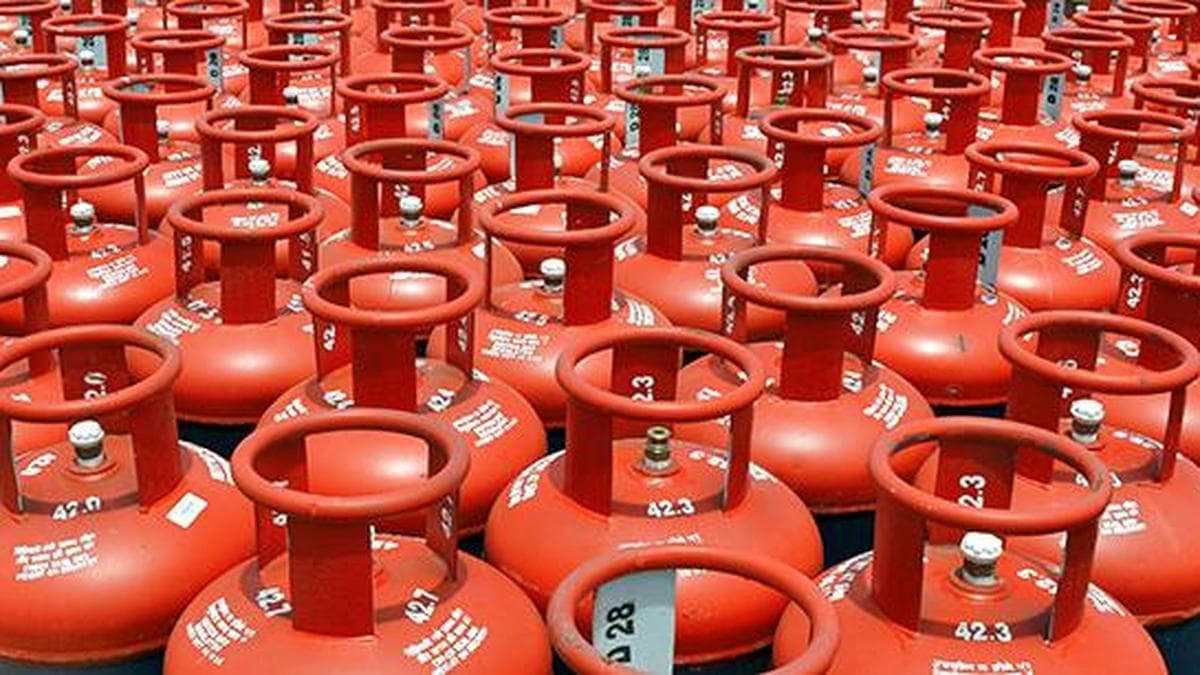
The global geopolitical landscape is increasingly influencing domestic economic stability, a trend now visibly impacting the hospitality industry in Maharashtra. A severe shortage of commercial LPG has forced a significant portion of Mumbai eateries to cease operations, marking a direct consequence of international tensions spilling over into local supply chains. As the conflict involving Israel, the United States, and Iran escalates, the ripple effects are being felt by businesses that rely heavily on fuel for daily cooking and service. This situation underscores how distant military engagements can rapidly destabilize essential utility networks within major urban centers.
The disruption in commercial LPG supply has created a precarious situation for the hotel and restaurant sector within Maharashtra. Currently, approximately 20% of hotels and restaurants located in Mumbai have already shut down their doors. This figure represents an immediate crisis that threatens the livelihoods of countless workers and business owners in the region. Industry leaders warn that without intervention, the number of closures will accelerate rapidly. Associations project that nearly half of the outlets in the city could close within the next two days if the supply situation does not improve. The connection between international warfare and local utility shortages highlights the fragility of modern logistical networks, demonstrating how quickly external shocks translate into domestic operational failures.
In response to the scarcity, hoteliers are implementing survival strategies that alter their standard operations. Business owners have begun adopting menu rationing to reduce consumption, ensuring that available resources last longer. Some establishments are utilizing slow cooking methods to maximize efficiency per unit of gas used. Furthermore, the desperation has driven some actors to purchase gas cylinders from the black market to maintain operations. These measures indicate a high level of distress within the sector, as standard supply channels have failed to meet demand during this period of instability. The reliance on informal markets suggests that official distribution systems are currently insufficient for sustaining business continuity.
Industry representatives are urging authorities to reconsider the current approach to distribution. A representative of the Indian Hotel and Restaurant Association, recognized as the top body for the hospitality trade in the State, has voiced strong concerns regarding the blanket stoppage of supplies. The association argues that while the reasons behind the shortage are understood, a complete halt is unsustainable. They suggest that supply should continue for at least 25% to ensure the hotels can survive somehow. This plea emphasizes the need for a balanced approach that acknowledges the economic necessity of keeping these businesses operational during times of crisis.
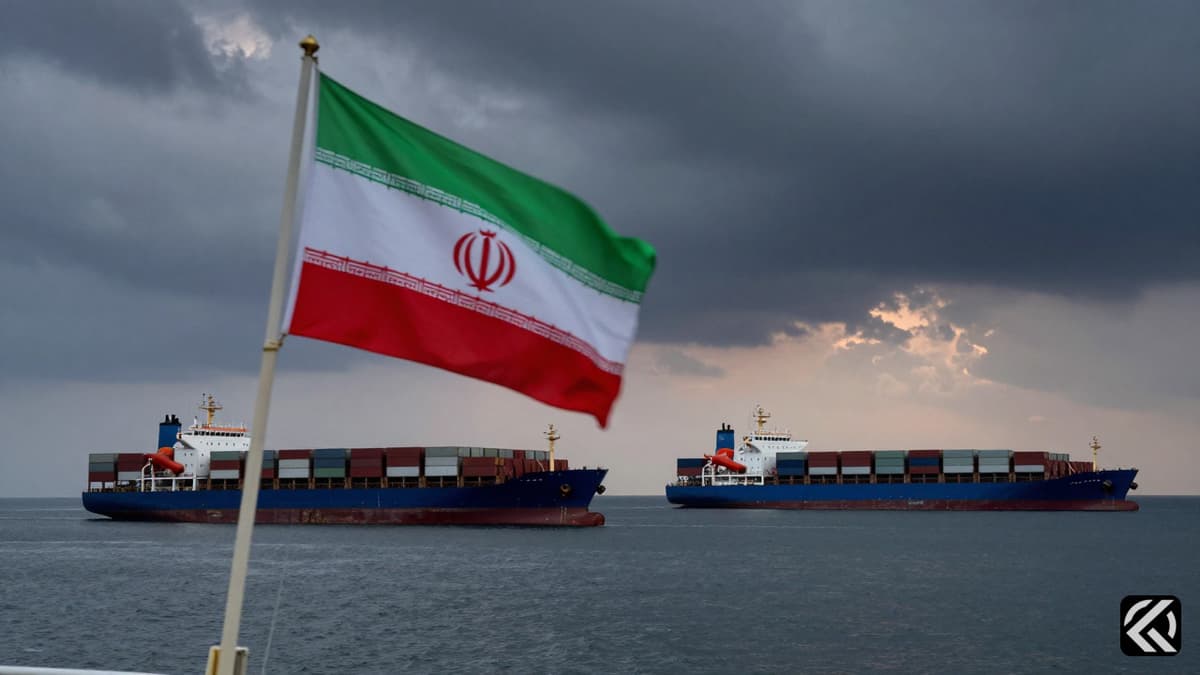
The ongoing conflict involving major global powers is directly impacting domestic utility availability in India. As Mumbai businesses face a critical fuel shortage, the hospitality sector stands on the brink of widespread closure. Stakeholders are calling for partial supply restoration to prevent total industry collapse within the coming days.
May 1, 2026 03:50 UTC
Trump Administration Declares Iran Conflict Terminated
Join 50,000+ readers getting the global briefing every morning.
No spam. Unsubscribe anytime.
May 1, 2026 03:50 UTC
Trump Administration Declares Iran Conflict Terminated
Apr 25, 2026 01:38 UTC
Iranian FM Araghchi Heads to Islamabad for Critical US-Iran Talks
Apr 25, 2026 01:13 UTC
Calm Suspect in Delhi Rape-Murder Case Faces Mental Evaluation
Apr 24, 2026 23:24 UTC
Raghav Chadha joins BJP, Shaking AAP’s Rajya Sabha Strength