Section
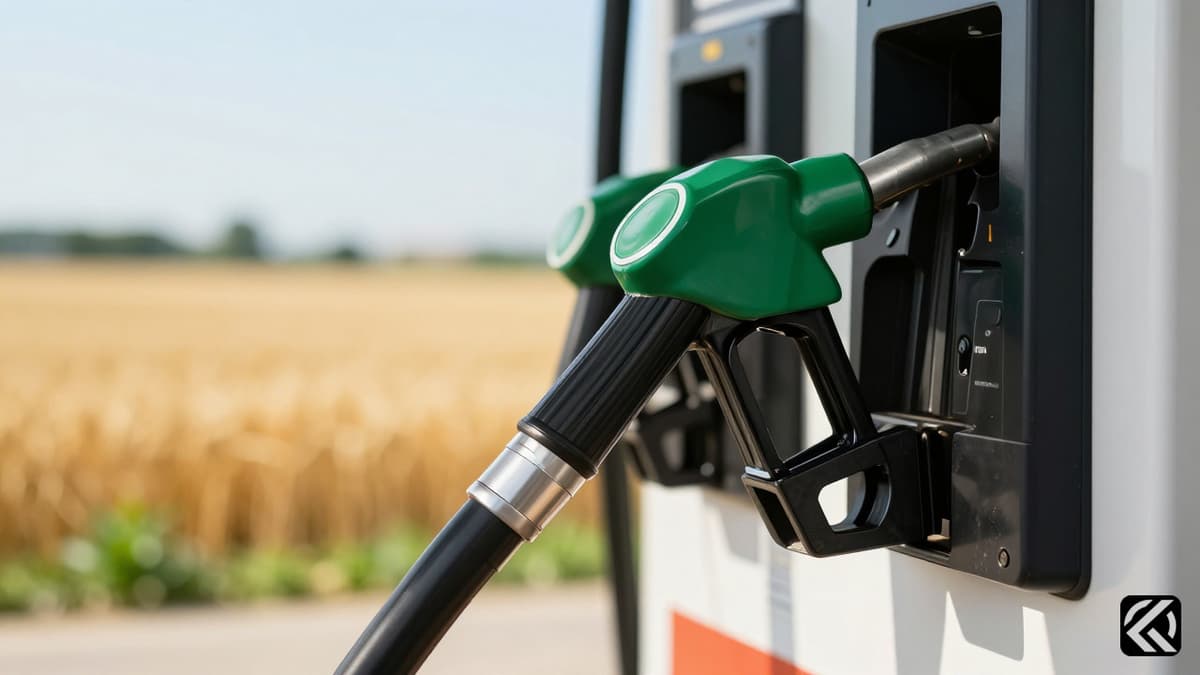
Officials admit a potential 3-5% mileage reduction in some vehicles while highlighting E20's environmental benefits and long-term economic stability for India's energy sector.
The Ministry of Ministry of Petroleum and Natural Gas officially acknowledged on July 10, 2026, that E20 fuel may cause a 3-5% reduction in fuel economy for some vehicles. This admission addresses growing public skepticism regarding the quality and cost-effectiveness of the blended fuel.
This clarification was released in a frequently asked questions document to counter criticisms questioning why ethanol-blended fuel is not cheaper than pure petrol. The government emphasized that the decision to blend ethanol was not a hasty political move but a carefully calibrated policy evolution.
The core justification for the current pricing structure of ethanol-blended fuels lies in the government's commitment to agricultural welfare. The ministry stated that it purchases ethanol at remunerative prices to ensure Indian farmers are fairly compensated for their produce. Specifically regarding maize-based ethanol, the procurement price has been progressively increased and currently stands at approximately ₹71.86 per litre before additional costs such as GST, transportation, storage, and depot handling are applied.
Consequently, the government explained that when international crude oil prices fall to around $70 a barrel, E20 fuel becomes relatively more expensive to produce than pure petrol. The economics of ethanol blending are heavily dependent on global energy markets. The ministry noted that the price advantage of ethanol only kicks in when crude oil prices reach between $120 and $130 per barrel. At these higher price points, the economics naturally reverse, making ethanol-blended fuel cheaper than its pure petrol counterparts.
However, the government highlighted a significant macroeconomic benefit of the current ethanol levels. With 20% of the fuel sold in India being ethanol, the Indian market has been insulated against global oil price volatility. This buffer has allowed the Indian government to pass on much lower fuel price hikes to consumers compared to those seen in comparable nations during periods of global energy crisis.
While acknowledging the potential hit to mileage, the ministry argued that fuel economy is merely one parameter of performance. The document asserted that ethanol blending offers significantly higher-octane ratings, superior anti-knock characteristics, faster combustion, better pickup, smoother acceleration, and cleaner engine operation. These technical advantages are designed to improve the overall driving experience and engine longevity.
From an environmental perspective, the ministry emphasized the ecological benefits of the policy. The document stated that E20 produces negligible particulate emissions and substantially reduces lifecycle carbon emissions by around 40%. In summary, the government positions the fuel as a cleaner, higher-quality, and more efficient option than either E10 or pure petrol.
The rollout of this fuel policy is described by authorities as the result of extensive planning rather than a rushed initiative. The document outlined a journey spanning over two decades, starting with pilot projects in 2001, followed by policy notifications in 2013 and institutional reforms after 2018. Massive investments began in 2021, leading to the current carefully calibrated, phased increase in blending levels.
To ensure the viability of the transition, the government consulted all relevant stakeholders before the final rollout. These entities included automobile manufacturing companies, testing agencies, oil marketing companies, and the Department of Food and Public Distribution. This broad consultation framework was intended to align automotive capabilities with agricultural output and energy distribution logistics.
Critics, including political opponents like Arvind Kejriwal, have accused automobile firms of misleading the public on E20 fuel. They argue that the advertised benefits do not match the consumer experience, particularly regarding mileage drops. However, the government maintains that the trade-off between a marginal loss in mileage and significant gains in engine performance and environmental sustainability is justified.
The distinction between E20 and lower ethanol blends is also driven by these technological factors. While E10 might not offer the same octane or emission benefits, the move to E20 represents a strategic step toward reducing reliance on imported crude oil while simultaneously boosting the domestic agricultural economy.
The Indian government’s defense of E20 fuel rests on a dual foundation of agricultural support and long-term energy security. By prioritizing farmer compensation through high ethanol procurement prices, the state has inadvertently made blended fuel more expensive during periods of low crude oil prices. However, this strategy provides a vital shield against global market shocks, a benefit that becomes increasingly valuable as international oil prices fluctuate.
Looking ahead, the viability of widespread ethanol adoption will likely depend on the sustained price of crude oil. As long as global prices remain below the $120 threshold, E20 will likely remain costlier to produce than pure petrol, keeping consumer prices higher than they might be otherwise. Conversely, if oil prices stabilize at higher levels, the cost advantage of ethanol blending will accelerate, potentially making blended fuels the more economical choice for consumers. The long-term success of this policy will hinge on the continued coordination between agricultural output, automotive technology adaptation, and global energy market dynamics, ensuring that the benefits of cleaner emissions and farmer income are realized without imposing an unsustainable burden on vehicle owners.
Oct 3, 2026 04:08 UTC
FlyDubai Co-Pilot Banned in Oman Over Extremism Concerns
Oct 3, 2026 00:50 UTC
Israel-Mumbai Campaign Honors Captain Smit After Flydubai Incident
Oct 2, 2026 18:13 UTC
Captain Smit Machchhar’s Courage Saves Flydubai Flight FZ1073 From Disaster
Oct 2, 2026 16:45 UTC
Captain Smit Machchhar Saves Plane Mid-Fall
Sep 20, 2026 06:56 UTC
Five Die in Chatsworth Bus Collision and Helicopter Crash