Section
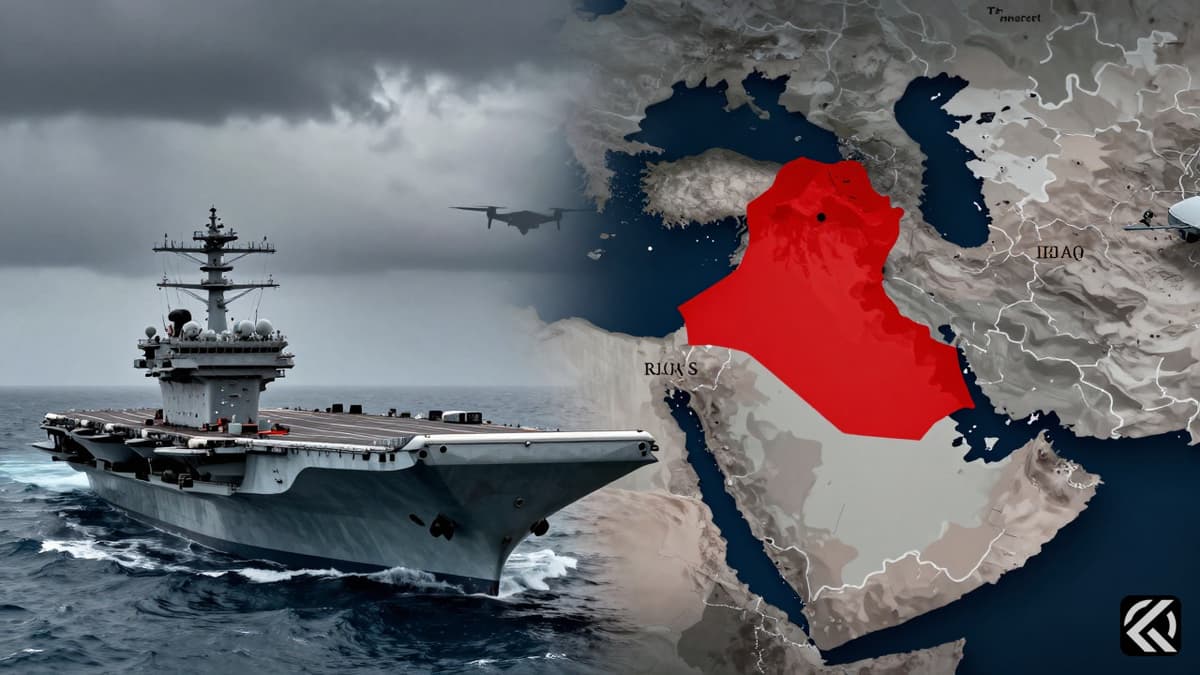
Amidst a deteriorating geopolitical landscape, US envoy Jared Kushner navigates complex ceasefire talks while President Trump addresses carrier supply rumors and regional threats.
President Donald Trump has entered the sixth month of US military operations in the Middle East, addressing reports of logistical issues aboard the USS Abraham Lincoln while his administration navigates complex diplomatic efforts in Gaza and heightened tensions with Iran.
The US special envoy, Jared Kushner, met with Israeli Prime Minister Benjamin Netanyahu for nearly four hours in Jerusalem, aiming to advance ceasefire efforts. Kushner stated that progress could come "quite soon" if both sides cooperate, specifically citing the disarmament of Hamas as a critical prerequisite. He noted that if Hamas willingly surrenders weapons stored in tunnels over the next 60 to 90 days, it would eliminate a significant security threat for Israel, describing such an outcome as "almost an unthinkable achievement." Despite this optimistic outlook, Kushner expressed deep skepticism, noting that while Hamas officials "said all the right things" during Sunday’s meetings, it remains "very, very hard to trust" an organization accused of committing atrocities.
Simultaneously, the geopolitical landscape in Iraq has escalated. Kurdistan Regional Government (KRG) Prime Minister Masrour Barzani accused Iran of launching drone attacks targeting his personal office and the residence of the head of the Kurdish intelligence agency, Parastin. Barzani condemned these actions as "reckless and unacceptable," labeling them a "serious escalation and a direct threat to the security and stability of the region." The KRG, which governs Iraq’s semi-autonomous Kurdistan Region, reported no casualties, though no group has claimed responsibility for the incident.
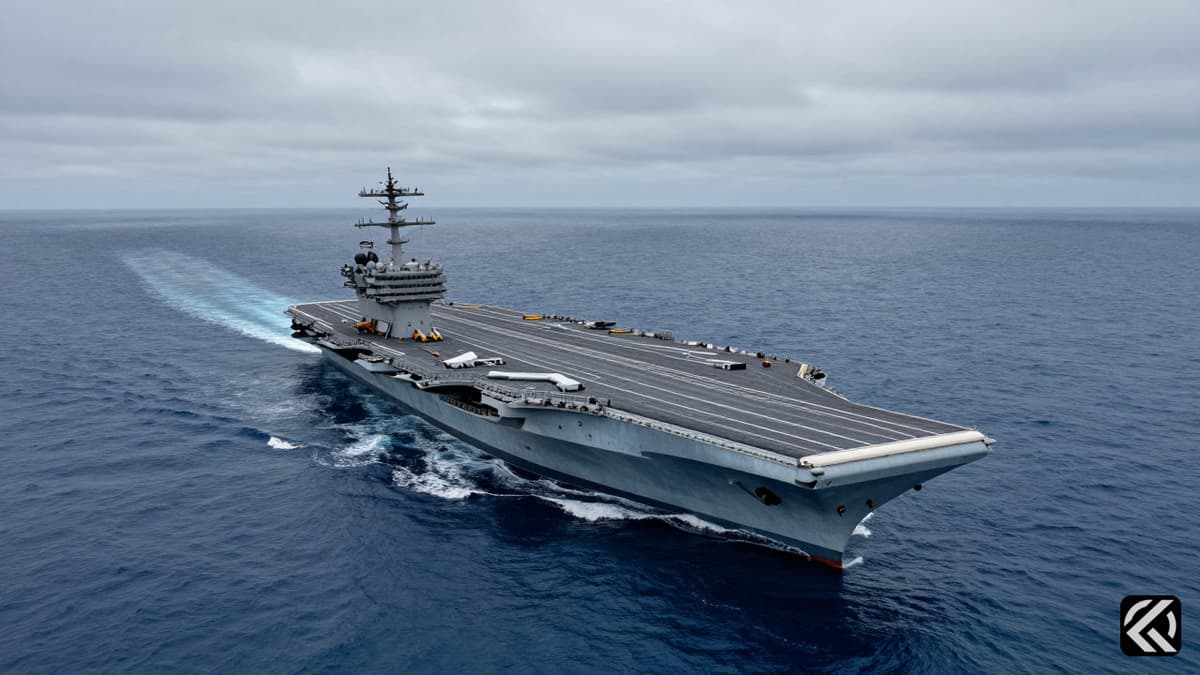
Iranian officials swiftly rejected these allegations. Foreign Ministry spokesperson Esmail Baghaei described the reports as a "highly suspicious development" requiring careful scrutiny. Iranian Foreign Minister Abbas Araghchi added that while nothing justifies the attack, Kurdish neighbors should be wary of "false-flag ploys" designed to sow discord. This denial comes amid a broader conflict that has seen the USS Abraham Lincoln deployed for over 250 days, potentially breaking records for the longest deployment since the Vietnam War.
Addressing reports from CNN regarding dwindling supplies and low morale among sailors on the Lincoln, President Trump labeled the reporting "fake news." He asserted in the Oval Office that there was sufficient food on the carrier, contradicting claims from sailors and family members of intermittent shortages and hygiene issues. Trump referenced a conversation with a retired admiral who confirmed the ship was "beautifully maintained," dismissing the negative reports as inaccurate media narratives.
In the diplomatic theater, the US-backed Board of Peace, including director Nickolay Mladenov and former UK Prime Minister Tony Blair, concluded their meeting with Netanyahu by demanding the complete disarmament of Hamas. An official stated it was agreed that there would be no IDF redeployment from Gaza until every weapon and tunnel is eliminated. The Board informed Netanyahu that Hamas had agreed to halt military activity, though Hamas maintains this condition must be sequenced with the end of Israeli attacks and the withdrawal of forces.
Meanwhile, Trump signaled shifting diplomatic priorities, noting recent communication with North Korean leader Kim Jong Un. He justified his decision to reduce military exercises with South Korea by citing his positive relationship with Kim and a perceived lack of assistance from Seoul regarding Iran. Trump argued that his approach is making the world safer, referencing past meetings during his first administration.
The divergence between US diplomatic messaging and Israeli military policy highlights the complexity of the current situation. While Kushner indicated that Israeli misunderstandings regarding the right to defend itself and Gaza’s reconstruction were addressed during his talks, the core demand remains unchanged: total disarmament. Netanyahu reportedly emphasized that making progress on the Trump administration’s 15-point ceasefire plan would be "problematic" due to upcoming Israeli elections. This stance contrasts sharply with a joint statement from Arab and Muslim mediators, including Qatar and Egypt, which blamed Israel for obstructing peace efforts following Netanyahu’s rejection of the latest plan.
The situation in Iraq further complicates the regional security architecture. The KRG’s accusations against Iran highlight the fragile balance of power in the region. With Iran denying involvement and suggesting a false flag operation, the incident risks becoming another flashpoint in the broader conflict. The KRG’s status as a semi-autonomous region with its own security forces, the Peshmerga, adds another layer of complexity, as any escalation could spill over into broader regional instability.
As the USS Abraham Lincoln continues its historic deployment, the intersection of military logistics, diplomatic negotiations, and regional alliances defines the current international climate. The US administration is simultaneously managing the demands of key allies like Israel, addressing internal military logistics, and navigating a hostile relationship with Iran. The outcome of these intertwined crises will likely dictate the stability of the Middle East for years to come.
The current diplomatic efforts led by Jared Kushner and the Board of Peace face significant hurdles due to Netanyahu’s refusal to withdraw forces without Hamas’s complete disarmament. Hamas’s refusal to unilaterally disarm without a simultaneous halt to Israeli attacks creates a diplomatic deadlock. If Hamas does not comply with the 60-to-90-day timeline, US support for further military action remains likely. This stalemate, combined with the escalation in Iraq involving Masrour Barzani and Iran, suggests a prolonged period of regional instability with no immediate resolution in sight.
Aug 17, 2026 14:29 UTC
USS Abraham Lincoln Crew Faces Mental Health Crisis During Extended Deployment
Aug 17, 2026 04:30 UTC
Trump Reduces Joint Military Exercises With South Korea
Aug 17, 2026 02:52 UTC
Kushner Meets Hamas in Egypt Over Rejected Gaza Ceasefire Plan
Aug 16, 2026 20:37 UTC
Kushner Mediates Gaza Ceasefire Amidst Escalating US-Iran Conflicts
Aug 18, 2026 00:00 UTC
Trump’s False Claims on South Korea Defense Payments Disputed