
Section
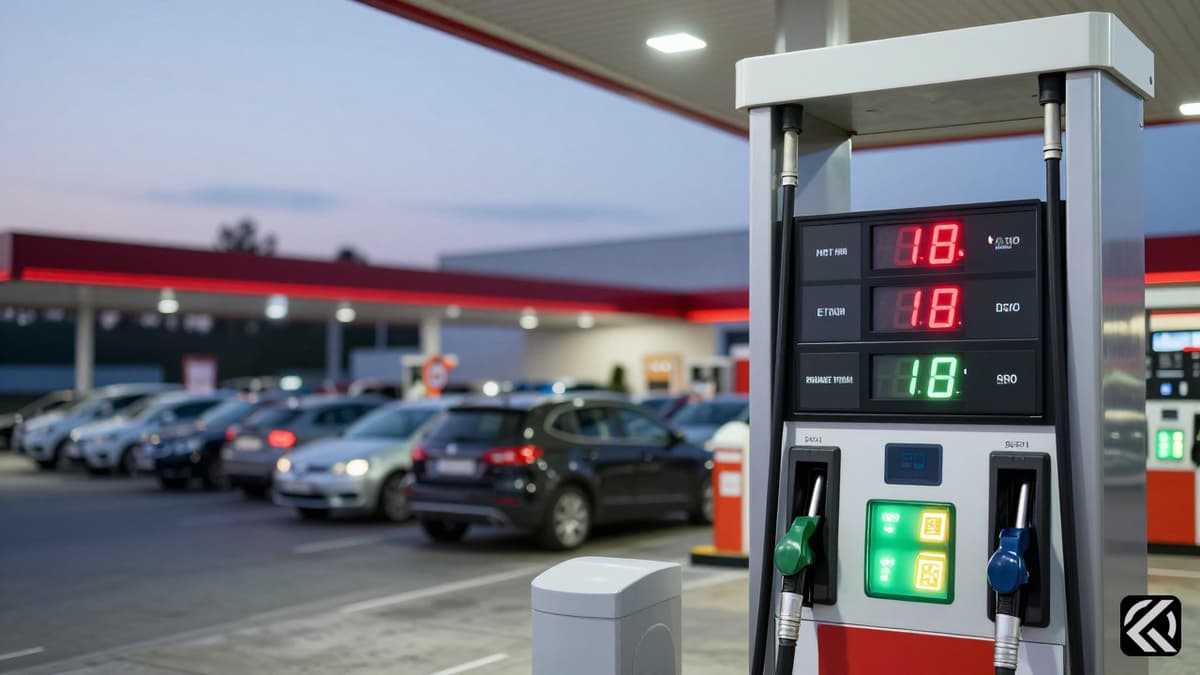
Political leaders have erupted in fury following a ₹3 per litre fuel hike. Rahul Gandhi claims the public pays for policy errors while the BJP defends the move as unavoidable.
Congress leader Rahul Gandhi on Friday (May 15, 2026) launched a sharp critique of the Central government regarding the recent increase in fuel costs, asserting that the general public is bearing the burden of administrative errors. His remarks came immediately after state-run fuel retailers implemented a hike of ₹3 per litre for both petrol and diesel. This marks the first increase in prices in more than four years. The move was necessary for retailers to pass on the financial impact of surging global crude oil prices, which have been driven by the ongoing conflict in Iran.
In a post on X written in Hindi, Mr. Gandhi stated, “Ghalti Modi sarkaar ki, keemat janta chukayegi,” which translates to the public will pay the price for the Modi government’s mistake. He noted that the ₹3 shock had already arrived and warned that further recovery would happen in instalments. The leader of the Opposition in the Lok Sabha used this platform to highlight the growing economic strain on citizens.
State-level Congress leaders echoed these sentiments with equal fervor. In Telangana, Pradesh Congress Committee president B. Mahesh Kumar Goud issued a statement expressing strong anger over the decision. He described the hike as an additional burden on ordinary people who are already struggling with rising costs for essential commodities, cooking gas, and electricity. Mr. Goud argued that instead of providing relief, the Narendra Modi government is breaking the backbone of the common citizen.
Karnataka’s political leadership also reacted strongly. Deputy Chief Minister D.K. Shivakumar blamed the Centre for the rising cost of living, labeling price rise as “Modi’s contribution.” He criticized the Centre’s handling of international issues, linking them to current price surges. Mr. Shivakumar dismissed suggestions to reduce fuel consumption or avoid buying gold as impractical for those managing daily livelihoods. Chief Minister Siddaramaiah added that the hike was anticipated post-elections and would have a cascading effect on transportation costs and essential commodity prices. He noted that domestic LPG prices have also seen steep rises, further straining household budgets.
Rajasthan Congress president Govind Singh Dotasra mocked the Prime Minister for traveling abroad for a five-nation trip while the country faces a fuel crisis. He alleged that the decision was politically timed, stating, “Take votes first, then raise prices.” Former Deputy Chief Minister Sachin Pilot supported this view, alleging that fuel prices were intentionally kept unchanged during the election period to secure votes.
Union Minister G. Kishan Reddy defended the government’s actions, stating the hike was unavoidable due to the global energy crisis. He urged the public to understand the circumstances, noting that no domestic issue was responsible. He alleged that opposition parties were trying to provoke people and spread misinformation. Mr. Reddy claimed that fuel prices had increased by up to 40 percent in countries like the U.S. and argued that implementing welfare programs would become difficult if government revenue declined.
Samajwadi Party MP Rajeev Rai criticized the Centre for passing economic burdens onto citizens while benefiting select interests. He questioned why the nation gained no benefit from cheap oil imports from Russia during previous low-price periods. Mr. Rai urged the government to clarify its priorities and roll back what he termed burdensome policies. He recalled earlier commitments that company losses would be covered to prevent such rate rises.
The Bharatiya Janata Party defended the hike, claiming India shielded citizens from the global oil shock for over two months. They highlighted that the limited and calibrated increase kept the price rise to approximately 3%, one of the lowest among major economies. This comes despite mounting losses suffered by oil marketing companies due to global crude price spikes. Prime Minister Narendra Modi has previously suggested measures to reduce consumption, including carpooling and using metro services, to conserve foreign exchange reserves.
The immediate response from consumers has been significant, with many vehicle owners shifting towards CNG as a more affordable option. This sudden surge in demand has created heavy pressure on CNG stations, leading to long queues and supply challenges in areas like Jalna, Nagpur, and Dharashiv. In Aurangabad, residents like cab driver Ajay Kanse have responded by increasing fares from ₹11 to ₹13 per km. With crude oil shipments still not reaching the country smoothly despite expectations of easing conflicts, the government faces continued pressure. If fuel prices remain volatile or increase further, the projected rise in transportation costs will likely push up the prices of all essential commodities. This trend threatens to exacerbate inflation, potentially leading to sustained public unrest and further political criticism ahead of future electoral cycles.
Jun 11, 2026 17:21 UTC
Bangladesh Opposition Mobilizes Against India-Bangladesh Border Push-Ins and BSF Killings
Join 50,000+ readers getting the global briefing every morning.
No spam. Unsubscribe anytime.
Jun 11, 2026 17:40 UTC
Boelter Pleads Guilty in Minnesota Political Assassinations
Jun 11, 2026 17:21 UTC
Bangladesh Opposition Mobilizes Against India-Bangladesh Border Push-Ins and BSF Killings
Jun 11, 2026 17:21 UTC
John Healey Quits as UK Defence Secretary Over Funding Dispute
Jun 11, 2026 16:19 UTC
UK Defence Secretary John Healey Quits Over Funding Dispute


