
Section
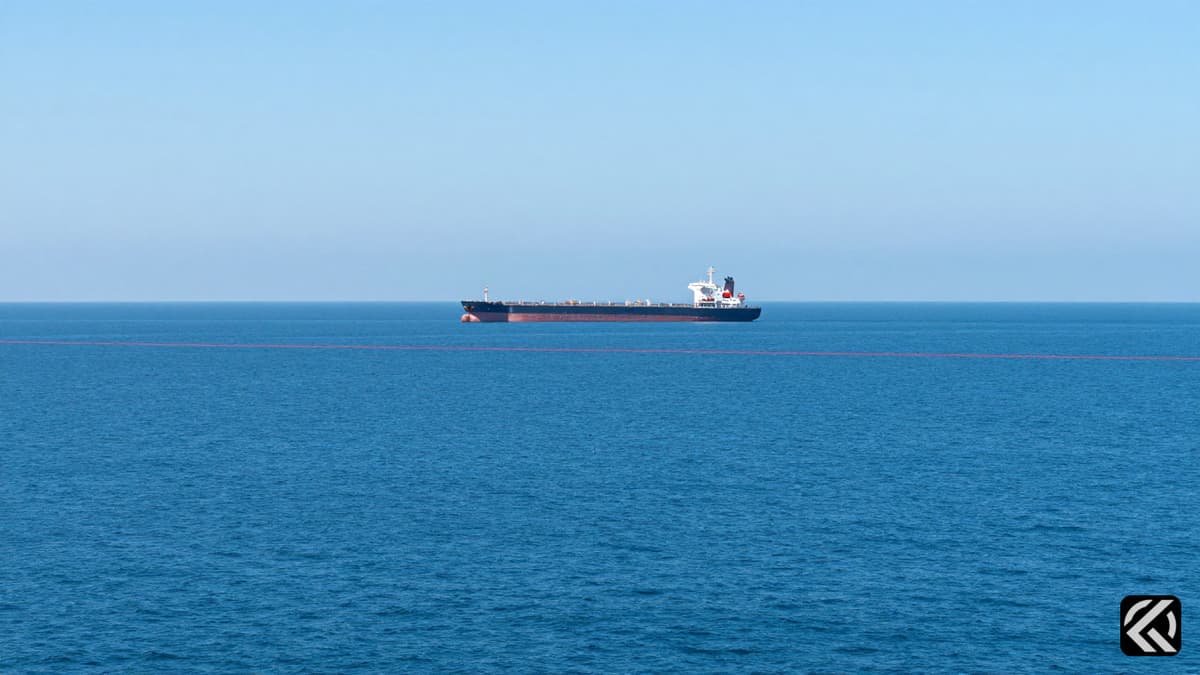
Three Indian sailors are dead after the US struck the Settebello in the Gulf of Oman, intensifying the US-Iran Conflict and disrupting global oil routes through the Strait of Hormuz.
The United States confirmed it carried out a missile strike on the oil tanker Settebello in the Gulf of Oman, an action that resulted in the deaths of three Indian sailors. This event has intensified the US-Iran Conflict, with Iran responding by attacking American bases in the region and other nations calling for immediate diplomatic intervention to prevent further escalation.
Iran’s Islamic Revolutionary Guard Corps (IRGC) confirmed the launch of strikes against US bases in Bahrain, Kuwait, and Jordan in response to American operations in southern Iran. Jordan reported shooting down 20 Iranian missiles, while Kuwait’s military engaged "hostile aerial targets." In Bahrain, which hosts a significant US naval presence, authorities reported damage to homes and vehicles following the Iranian attack. Additionally, an 11-year-old girl was injured during the drone assault on Bahrain.
Central Command (Centcom) stated that the strike on the Guinea-Bissau-flagged vessel Jalveer was the third such action against a ship in the Gulf that week, following attacks on the Marivex and Settebello. The US military accused the Jalveer of violating the blockade by attempting to transport Iranian oil. However, India’s Ministry of External Affairs accused the US of striking a vessel carrying its crew near the Shinas port of Oman. According to India’s shipping ministry, 20 Indian sailors were on board the Jalveer and are reportedly safe, with evacuation efforts underway.
In a separate but related incident, the US admitted to disabling the Palau-flagged Settebello on Wednesday, accusing it of violating the blockade of Iranian ports in the Strait of Hormuz. This strike led to the deaths of three Indian crew members: deck cadet Aditya Sharma, engine fitter Shivanand Chaurasia, and chief engineer Patnala Suresh. India’s shipping minister described their deaths as an "irreparable loss," while the foreign ministry summoned US Embassy deputy chief of mission Jason Meeks to lodge a strong protest.
The Strait of Hormuz remains a critical flashpoint. Sandwiched between Iran, Oman, and the UAE, this waterway typically handles around 20% of the world's oil and liquefied natural gas. The US established a blockade of Iranian ports in early April after a ceasefire was agreed upon, yet the situation remains volatile. US President Donald Trump stated the blockade would remain in effect until a signed agreement is reached. Conversely, Iranian state media and officials insist the shipping channel is "completely closed," a claim denied by Centcom, which stated that commercial ships are continuing to transit.
The escalating violence has prompted urgent calls for de-escalation from multiple global powers. Pakistan expressed deep concern, with its foreign ministry emphasizing that diplomacy should guide US-Iran relations. Pakistan’s Interior Minister held meetings with senior Iranian leaders this week. India’s foreign ministry described repeated attacks on commercial vessels as "deeply worrisome" and demanded immediate de-escalation.
Russia and China have also intervened rhetorically. Russia warned that new strikes would harm the world economy, while a Chinese military spokesperson told Reuters that resorting to force would "further aggravate tensions." Turkey’s Foreign Minister Hakan Fidan and Saudi Arabia’s foreign ministry called for halted attacks and mediated negotiations, with Saudi Arabia suggesting Pakistan and Qatar as mediators.
Iran’s foreign ministry stated that the latest US strikes render the ceasefire between the countries "practically meaningless." Meanwhile, the US claims to have helped 200 commercial ships pass through the strait via a "secret mission," a figure disputed by Iranian authorities who maintain the route is blocked. The blockade has left thousands of sailors stranded, including 13 Indian-flagged vessels and more than 18,000 Indian sailors in the Gulf region.
The uncertainty surrounding the Settebello and other strikes has raised concerns about the safety of maritime commerce. BBC Verify noted that the Settebello’s location tracker has been inactive since May 31, making its exact location during the strike unclear, though satellite imagery placed it 80 miles off Oman’s coast on June 6. Reports also emerged of a US strike on an Iranian cargo vessel departing Khasab, Oman, for Sirik, Iran, though the US did not comment on this specific incident.
As diplomatic channels remain strained, the physical control of the Strait of Hormuz remains disputed. Iran has established the Persian Gulf Strait Authority to oversee vessel movement post-conflict, while the US insists it will not allow Iranian control. The ongoing hostilities have sent oil prices soaring globally, highlighting the economic stakes involved. With both sides maintaining contradictory narratives about the closure of the strait, the risk of further miscalculation remains high, threatening long-term stability in global energy markets and regional security.
The persistent military actions and contradictory claims regarding the closure of the Strait of Hormuz indicate a prolonged stalemate. As both the US and Iran refuse to yield control, the blockade is likely to continue disrupting global oil supplies and stranding thousands of sailors. The international community’s failed de-escalation efforts suggest that without a signed agreement, tensions in the region will remain high, potentially leading to further accidental clashes and economic instability worldwide.
Jun 11, 2026 17:21 UTC
Bangladesh Opposition Mobilizes Against India-Bangladesh Border Push-Ins and BSF Killings
Join 50,000+ readers getting the global briefing every morning.
No spam. Unsubscribe anytime.
Jun 11, 2026 17:40 UTC
Boelter Pleads Guilty in Minnesota Political Assassinations
Jun 11, 2026 17:21 UTC
Bangladesh Opposition Mobilizes Against India-Bangladesh Border Push-Ins and BSF Killings
Jun 11, 2026 17:21 UTC
John Healey Quits as UK Defence Secretary Over Funding Dispute
Jun 11, 2026 16:19 UTC
UK Defence Secretary John Healey Quits Over Funding Dispute


