
Section
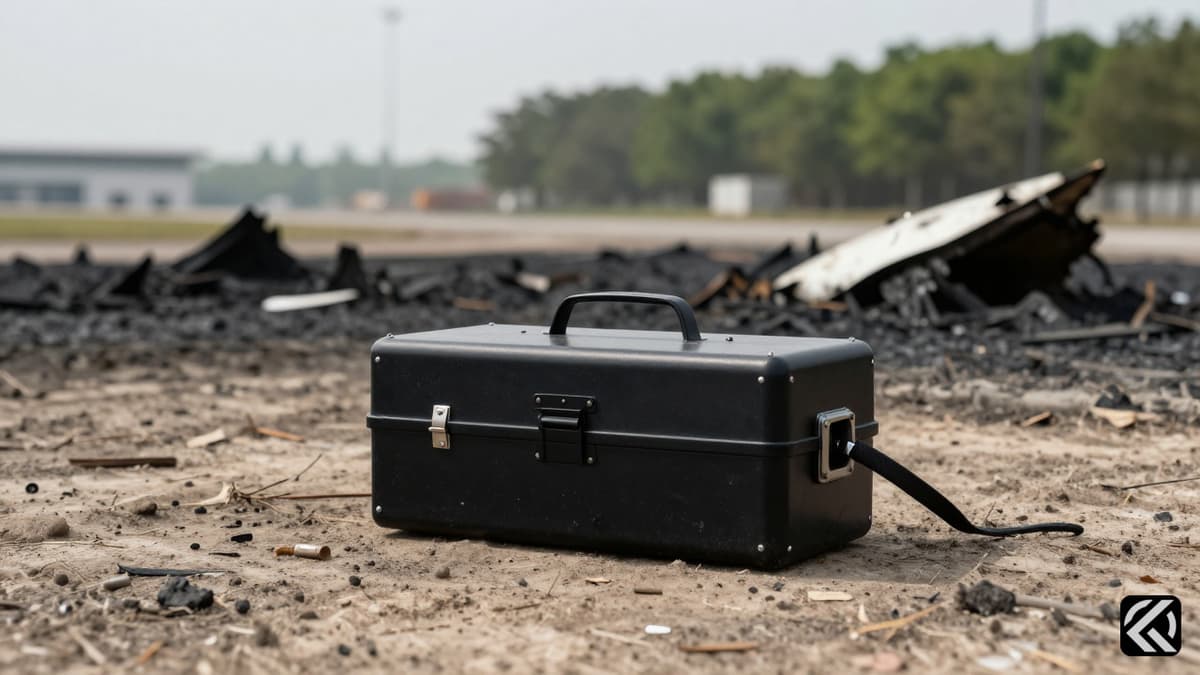
A fatal air crash in India has ignited a fierce debate between authorities blaming the captain and campaigners pointing to serious mechanical failures in the aircraft.
The catastrophic event involving Air India Flight 171 occurred on June 12, killing nearly all aboard and 19 people on the ground. The crash, which happened shortly after takeoff from Ahmedabad, has triggered a fierce dispute regarding its primary cause. While authorities have released preliminary findings pointing toward cockpit actions, critics argue these conclusions ignore potential mechanical defects.
This tragedy has exposed deep fissures in how aviation safety investigations are conducted. The preliminary report from India's Aircraft Accident Investigation Bureau (AAIB) highlighted conflicting pilot dialogue and fuel switch positions. However, safety advocates and legal representatives for victims' families contend that this narrative unfairly shifts blame onto the deceased crew, potentially shielding the aircraft manufacturer from liability for serious technical failures.
The core of the controversy lies in the AAIB’s preliminary report, which noted that flight data recorders indicated the fuel cutoff switches moved from the "run" to the "cutoff" position seconds after takeoff. This movement would have deprived the engines of fuel, causing a rapid loss of thrust. The report also referenced cockpit voice recordings where one pilot asked the other why he cut off the fuel, with the other denying involvement. This brief, unverified snippet of audio sparked intense media speculation, with outlets like Newsweek and the Wall Street Journal suggesting that Captain Sumeet Sabharwal may have deliberately caused the crash.
Former NTSB chairman Robert Sumwalt reinforced this perspective on CBS News, stating the report indicated the issue was not with the airplane or engines but rather a person in the cockpit shutting them off. This interpretation aligns with the emerging pilot suicide theory, which suggests the captain intentionally ended the lives of everyone on board. However, this narrative has faced vigorous pushback from safety campaigners, pilots' groups, and lawyers representing the bereaved relatives.
Capt. CS Randhawa, president of the Federation of Indian Pilots (FIP), argued that blaming a dead pilot is a convenient way for regulators and manufacturers to escape accountability. He stated, "When a pilot is alive he can defend himself... When the pilot is dead, all the agencies can collude - and they put the blame on the pilot, to save the manufacturer." The FIP, representing 6,000 pilots, condemned the preliminary report as "irrevocably compromised" and joined Sabharwal’s father in demanding a judicial investigation.
Despite the backlash, some aviation professionals maintain that the evidence points unequivocally to foul play. Former UK air accident investigator Tim Atkinson agreed that blaming a pilot is convenient for all parties but personally believed there was no other credible explanation. He expressed absolute doubt that the incident was anything other than a homicide-suicide, warning that attempting to frame it as an aviation accident would fail because it was not one.
Conversely, campaigners propose an alternative theory: a major electrical failure caused the aircraft’s main flight computers to reboot after takeoff. They argue this created a scenario where systems mistakenly believed the plane was on the ground, triggering a safety mechanism that cut the fuel supply. Under this scenario, the flight data recorder would have registered an electronic command rather than physical switch movement by the pilots.
Support for the mechanical failure theory comes from the Foundation for Aviation Safety, led by whistleblower Ed Pierson. The foundation claims the aircraft, registered as VT-ANB, had a history of serious electrical problems since its delivery in 2014. Documents seen by the BBC revealed an incident of "burning" in a main power panel in 2022. Although Air India stated repairs were conducted per Boeing-approved procedures, the preliminary report noted the aircraft was allowed to fly with a known fault in its core network.
The investigation has drawn international attention, with the US National Transportation Safety Board (NTSB) sending experts from Boeing and GE Aerospace. Under Annex 13 of the Convention on International Civil Aviation, India holds primary responsibility for the inquiry, while other nations act as accredited representatives to ensure objectivity. The stated objective is accident prevention, not apportioning blame, yet the stakes remain incredibly high for Boeing’s reputation regarding the Boeing 787 Dreamliner, which has previously suffered safety scandals.
The ongoing dispute over the cause of the crash highlights significant tensions between official narratives and independent safety advocacy. As the final conclusions of the investigation remain unpublished, the aviation industry faces mounting pressure to address concerns about transparency and impartiality. If mechanical defects are indeed ignored in favor of blaming the crew, it could undermine trust in global aviation safety standards and the regulatory frameworks governing major manufacturers. The outcome of this inquiry will likely influence future protocols for investigating complex air disasters, particularly those involving automated systems and pilot accountability.
Jun 11, 2026 17:21 UTC
Bangladesh Opposition Mobilizes Against India-Bangladesh Border Push-Ins and BSF Killings
Join 50,000+ readers getting the global briefing every morning.
No spam. Unsubscribe anytime.
Jun 11, 2026 17:40 UTC
Boelter Pleads Guilty in Minnesota Political Assassinations
Jun 11, 2026 17:21 UTC
Bangladesh Opposition Mobilizes Against India-Bangladesh Border Push-Ins and BSF Killings
Jun 11, 2026 17:21 UTC
John Healey Quits as UK Defence Secretary Over Funding Dispute
Jun 11, 2026 16:19 UTC
UK Defence Secretary John Healey Quits Over Funding Dispute


