
Section
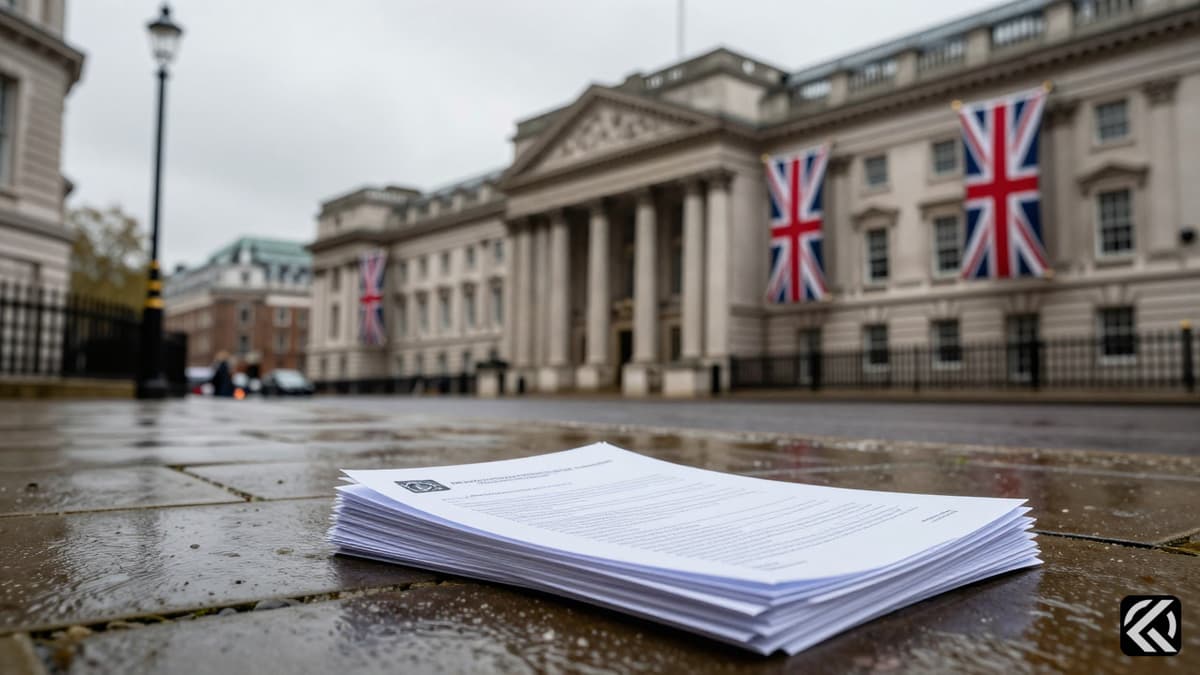
Defense Secretary John Healey has resigned from his post, citing inadequate funding for national security. This move intensifies pressure on Prime Minister Keir Starmer’s leadership.
The UK’s Defence Secretary, John Healey, officially resigned on Thursday, June 11, 2026, marking a significant blow to the current administration. His departure is directly linked to his dissatisfaction with the John Healey resignation was triggered by his assessment that the government had failed to provide adequate financial resources for national security. This high-profile exit immediately intensifies the political pressure on Prime Minister Keir Starmer, whose authority is already being tested by internal conflicts within his party. The resignation serves as a stark signal that the administration’s approach to national defense is facing severe internal criticism and potential operational gaps.
In his resignation letter, which was publicly posted on the social media platform X, Healey provided a detailed account of why he felt compelled to leave his post. He argued that new and evolving threats facing the United Kingdom demanded a more robust investment strategy than what was currently being implemented. Specifically, he referenced the Defence Investment Plan (DIP), a framework that the Labour government had previously confirmed as necessary. However, Healey stated that since an assessment of this funding was conducted in January, Prime Minister Starmer had been "unable" to secure the necessary funds, and the Treasury had remained "unwilling" to commit the required resources. This discrepancy between stated policy and financial action was the core of his grievance.
Healey elaborated on the specific geopolitical challenges that necessitate increased defense spending. He pointed to the ongoing conflict in West Asia, noting that the UK is currently "leading the multinational Strait of Hormuz military mission." Additionally, he highlighted security concerns in the "High North" region, where the UK is leading NATO’s Arctic Sentry mission. These commitments illustrate a complex global security landscape that Healey believes requires immediate and substantial financial backing, which he argues his current government is failing to provide at a sufficient pace. He specifically criticized the government for not ramping up UK defence spending fast enough to meet the expenditure commitments outlined in the DIP.
The context of this dispute is rooted in previous international agreements regarding NATO defense obligations. Under significant pressure from US President Donald Trump, the UK, along with other NATO member states, had agreed to scale up their defense expenditures. The agreed-upon targets included spending 3.0% of GDP by 2030 and 3.5% by 2035. Despite these clear long-term targets, Healey’s resignation suggests a disconnect between high-level political pledges and the actual treasury allocations needed to initiate the early stages of this increase. The government’s failure to meet these early milestones has apparently become untenable for the Defence Secretary.
This event is not an isolated incident but part of a wider pattern of political turbulence within the Keir Starmer Labour government. It is the latest in a series of resignations from the government over the past few weeks. In May, Health Secretary Wes Streeting also resigned, publicly indicating his intention to run in any future contest for the position of Prime Minister at No. 10 Downing Street. These consecutive departures suggest deepening fractures within the ruling party and potentially weakening Starmer’s grip on his cabinet. The cumulative effect of these exits is exacerbating the sense of instability surrounding the Prime Minister’s leadership.
The political ramifications of Healey’s resignation extend beyond mere cabinet reshuffling. The resignation further weakens Mr. Starmer, who has already been overwhelmed by internecine battles within his own ranks. Analysts suggest that the Prime Minister will potentially have to face a leadership contest in the coming months as dissent grows. The timing of these events is particularly sensitive, as it coincides with critical upcoming geopolitical and domestic political milestones that require stable leadership.
The Keir Starmer Labour government is now facing a critical juncture as it deals with the fallout from Healey’s departure. Greater Manchester Mayor Andy Burnham, who is widely seen as the strongest contender to challenge Mr. Starmer for the party leadership, is contesting a byelection in Makerfield, in the North West of England, on June 18. A victory in this byelection would bring Burnham to Westminster, a necessary procedural step if he wishes to formally challenge the Prime Minister. This political maneuvering indicates that the power dynamics within the party are shifting rapidly.
Furthermore, the timing of these events aligns with significant international diplomatic engagements. NATO defence ministers are due to meet in Brussels next Thursday, June 18, 2026. The UK’s position on defense spending and its ability to meet NATO commitments will likely be under intense scrutiny during this meeting. The internal disagreement highlighted by Healey’s resignation could weaken the UK’s negotiating position or create diplomatic awkwardness if the country cannot demonstrate a united front regarding its financial contributions to collective defense.
In conclusion, John Healey’s resignation is a direct response to what he perceives as the Treasury’s reluctance to fund critical defense initiatives amidst global threats. This action not only highlights a policy dispute but also serves as a catalyst for potential leadership changes within the UK government. As Prime Minister Starmer navigates this period of internal strife, the coming weeks will be pivotal in determining whether the government can stabilize its position or if it faces a broader political crisis. The intersection of domestic political maneuvering and international defense obligations creates a volatile environment for the current administration.
Jun 11, 2026 12:59 UTC
US Strike on Settebello Kills Indian Sailors Amid Strait of Hormuz Tensions
Jun 11, 2026 12:49 UTC
Air India Flight 171 Crash Sparks Debate Over Boeing 787 Dreamliner Faults
Jun 11, 2026 08:51 UTC
US-Iran Conflict: Indian Seafarers Killed in Gulf Strike
Jun 11, 2026 18:04 UTC
Healey Quits Government Over Defence Spending Dispute


