
Section
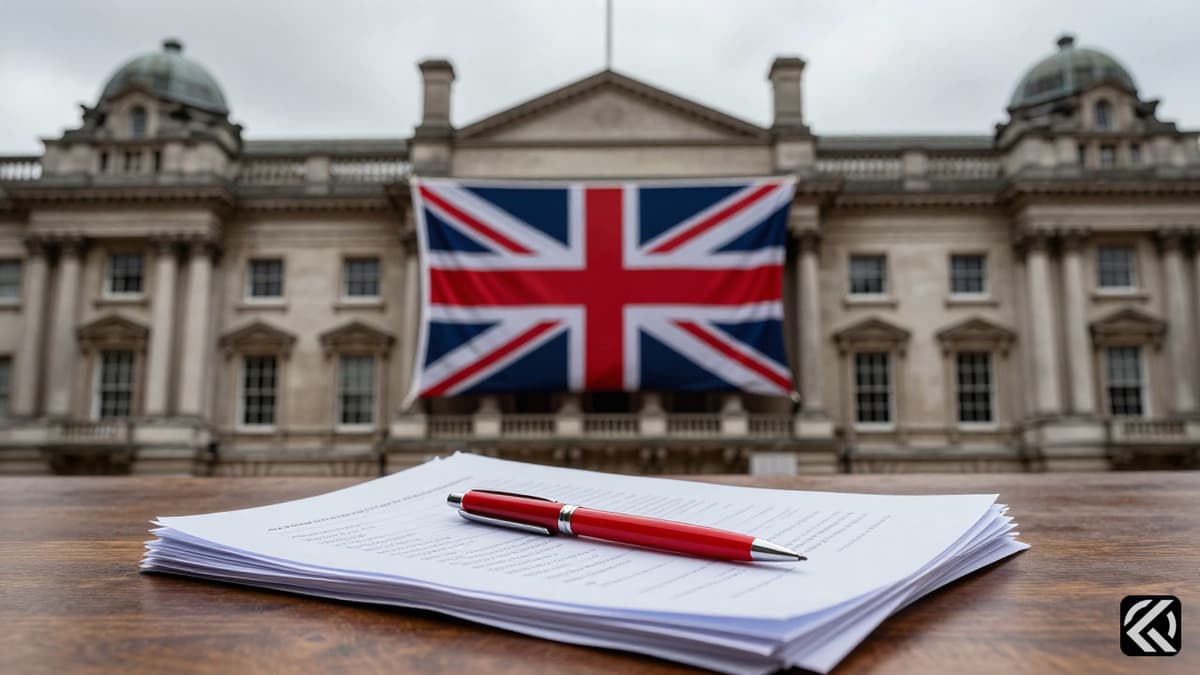
Britain’s defence secretary resigns, accusing the prime minister of underfunding national security at a time of heightened geopolitical risk and NATO anxiety.
Britain’s defence secretary John Healey has officially resigned from his position, citing a fundamental disagreement with Prime Minister Keir Starmer regarding the country's military budget and resource allocation.
In a letter posted on X on Thursday, Healey directly accused the Prime Minister of failing to commit the necessary resources to defend the nation against rising global threats. Healey stated that the financial settlement received on Monday "falls well short of what is required," arguing that the proposed increase to 2.68 percent of GDP by 2030 is inadequate compared to the firm 3 percent target he deemed essential.
The resignation underscores a deepening rift within the Labour government as it grapples with intensifying international security challenges. Britain currently leads a multinational mission in the Strait of Hormuz amid conflicts with Iran, heads NATO’s Arctic Sentry mission, and faces increased Russian activity alongside escalating attacks in Ukraine. Healey warned that without adequate funding, he would be forced to reduce military readiness and increase risks to personnel on operations.
This development lands at a precarious moment for Starmer, whose government’s popularity has collapsed just two years after a landslide victory. At least 95 Labour MPs had previously called for the Prime Minister to resign or set a departure timetable. Healey becomes the sixth minister to step down in the past month, following Health Secretary Wes Streeting’s departure in May, which cited a lack of vision in the government.
The departure of a respected figure like Healey opens a new frontier of criticism aimed at Keir Starmer, shifting focus from the previous Peter Mandelson scandal to core governance and strategic failures. Al Jazeera’s Camille Nedelec noted that Healey’s resignation highlights a significant figure within the government stepping away due to irreconcilable differences on national security.
Nedelec suggested that this event raises questions about whether Healey might be preparing a leadership bid, although the primary focus remains on the immediate political fallout. The delay in the Defence Investment Plan has also frustrated Britain’s defence industry, which struggles to commit to long-term programs amidst geopolitical volatility.
Starmer faces renewed scrutiny over his judgment and leadership capabilities. The Prime Minister had previously argued powerfully for defense capabilities in his February speech at the Munich Security Conference, yet his government failed to align policy with these stated ambitions. Healey invoked Starmer’s own words, reminding him that “there could be an attack by Russia on Nato as soon as 2030,” thereby highlighting the urgency that the current financial settlement ignores.
The exit of John Healey signals a severe erosion of trust within the Labour administration, potentially destabilizing Starmer’s premiership further. With the defence industry already frustrated by delayed plans and political opponents capitalizing on the resignation tide, the government faces a critical juncture. Future months will likely see intensified pressure on Starmer to either revise the defence budget or face additional departures, potentially forcing a reevaluation of Labour’s strategic direction before the next general election.
Jun 11, 2026 17:21 UTC
Bangladesh Opposition Mobilizes Against India-Bangladesh Border Push-Ins and BSF Killings
Join 50,000+ readers getting the global briefing every morning.
No spam. Unsubscribe anytime.
Jun 11, 2026 17:21 UTC
Bangladesh Opposition Mobilizes Against India-Bangladesh Border Push-Ins and BSF Killings
Jun 11, 2026 17:21 UTC
John Healey Quits as UK Defence Secretary Over Funding Dispute
Jun 11, 2026 16:19 UTC
UK Defence Secretary John Healey Quits Over Funding Dispute
Jun 11, 2026 16:14 UTC
Pentagon Executes Shelter-in-Place Amid Hazardous Materials Investigation


