
Section
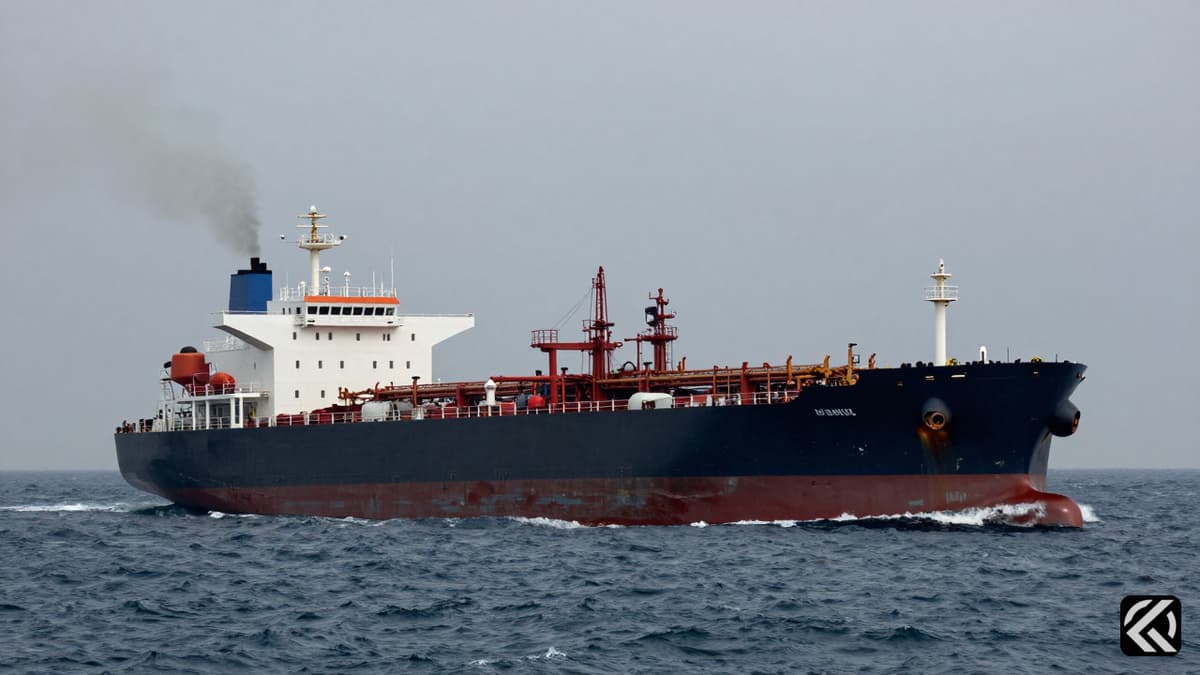
Tensions surge as US strikes target Iranian sites and merchant vessels, resulting in tragic loss of life and threatening global energy supplies with renewed geopolitical instability.
On June 11, 2026, the volatile geopolitical landscape of West Asia deepened significantly as escalating hostilities between the United States and Iran resulted in the tragic death of all three missing Indian seafarers. The fatalities occurred after a US military strike targeted a tanker in the Gulf of Oman, marking the third such attack on merchant vessels within a span of just four days. This latest incident has intensified international concern regarding the safety of commercial shipping in the region and further complicated ongoing diplomatic efforts to de-escalate the conflict.
The immediate trigger for the renewed violence was a coordinated series of military actions. Reports confirm that while US forces attacked the tanker Settebello the previous day, another vessel, the MV Jalveer, was attacked under similar circumstances near Oman on June 11. The Forward Seamen’s Union of India general secretary Manoj Yadav confirmed to The Hindu that the ship had been attacked and was carrying an Indian crew. Union Minister for Ports, Shipping and Waterways Sarbananda Sonowal officially confirmed that all three missing Indian seafarers associated with the incident had died. In response to the strike, which the US described as a "precision" operation against a vessel failing to follow instructions and carrying oil from Iran, India summoned the US Deputy Chief of Mission to lodge a "strong protest."
The conflict has rapidly expanded beyond maritime incidents to affect airspace and regional stability. Kuwait’s civil aviation authority temporarily suspended air traffic and closed its airspace starting at 4:50 am on June 11, diverting flights to alternative airports due to "potential risks" from Iranian attacks. Although Kuwait later resumed normal operations, the Bahraini Interior Ministry reported that debris from intercepted Iranian drones caused fires and damage to homes in Hamad Town and the capital, Manama, injuring an 11-year-old girl. Meanwhile, the Iranian Islamic Revolutionary Guard Corps claimed to have fired 12 ballistic missiles at a US command center in Jordan, targeting Al-Azraq Air Base, and claimed to have struck bases in Kuwait and Bahrain.
Economic repercussions were swift and severe. The threat to global energy supplies became palpable when Iran’s top joint military command announced the Strait of Hormuz closure, stating that any vessel attempting passage would be shot at. While the US military disputed claims that warships in the strait were struck and noted that commercial ships continued to transit, the psychological impact on markets was immediate. Brent futures and WTI crude prices climbed sharply, with WTI gaining nearly $3 in early trading. This spike was driven by fears that the US-Iran conflict would disrupt one of the world’s most critical energy chokepoints.
Financial markets reflected this uncertainty, with India’s benchmark indices, the Sensex and Nifty, declining in early trade on June 11. Analysts attributed the drop to weak global equities, rising crude oil prices, unabated foreign fund outflows, and concerns over US inflation and interest rates. The World Bank and other global bodies are monitoring the situation closely as the potential for a wider war threatens to derail ceasefire prospects. Mediator Pakistan has called for a "negotiated settlement," while India urged restraint at the UN Security Council, emphasizing the safety of its nationals and global commerce.
The convergence of military escalation and energy supply fears signals a precarious period for global stability. With oil prices rising above $95 a barrel and commercial shipping routes under threat, the Indian seafarers killed in the Gulf strike serves as a grim reminder of the human cost of this Strait of Hormuz closure threat. If diplomatic channels, such as Pakistan’s mediation, fail to yield a negotiated settlement, the US-Iran conflict could lead to prolonged supply chain disruptions. Investors should brace for continued market volatility, as inflationary pressures from energy costs may force central banks to maintain higher interest rates, further dampening global economic growth in the coming weeks.
Jun 11, 2026 12:59 UTC
US Strike on Settebello Kills Indian Sailors Amid Strait of Hormuz Tensions
Jun 11, 2026 12:49 UTC
Air India Flight 171 Crash Sparks Debate Over Boeing 787 Dreamliner Faults
Jun 11, 2026 08:51 UTC
US-Iran Conflict: Indian Seafarers Killed in Gulf Strike
Jun 11, 2026 18:04 UTC
Healey Quits Government Over Defence Spending Dispute


