The restaurant industry faces an unprecedented fuel shortage, forcing operational shifts without price hikes.
A simple sign taped to a counter at Bangalore Thindis on Bengaluru’s Infantry road signals a drastic shift in the culinary landscape. Only coffee and tea are available today, marking a departure from normal bustle. This restriction is part of a wider emergency gripping the Indian restaurant sector. As the conflict in West Asia continues, cities across India face restricted LPG cylinder supply. Hoteliers and chefs are currently in firefighting mode, attempting to stretch existing fuel reserves while ensuring customers remain fed until clarity emerges on future operations.
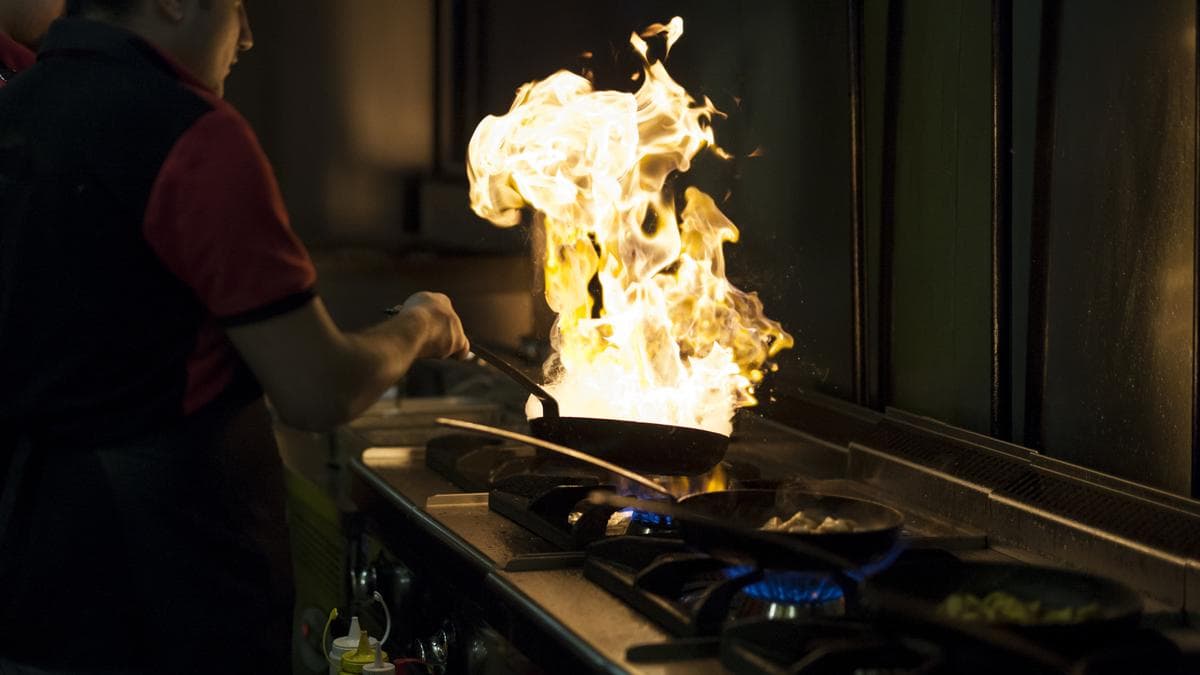
Establishments are rapidly altering their offerings to survive the shortage. In Coimbatore, Annapoorna hotel has removed rava dosas from its menu, while Kaylir Canteen in Chennai is operating with limited options. Chef Tresa Francis of Coracle in Bengaluru notes that suppliers have confirmed no supply of LPG cylinders, describing the situation as restricted and rationed. Santhosh Zachariah of MadCo in Chennai has shifted operations to dinner only to conserve fuel, cutting high-flame dishes like bone marrow. Similarly, Naga Bharan of Panchakattu Dosa in Hyderabad is optimizing resources by running single dosa stoves instead of two, informing patrons that orders may face delays due to the crisis management efforts.
While induction cooking seems a potential alternative, industry leaders remain skeptical. Santhosh Zachariah warns that electricity bills will skyrocket, and Naga Bharan points out that infrastructure overhauls are not feasible immediately. Zorawar Kalra of Massive Restaurants emphasizes that commercial LPG is the backbone of kitchen operations, noting that 70-75% of the ecosystem relies on it. He highlights that a single day without supply could cost the ₹6.6-lakh-crore industry between 1,200 and 1,300 crores. Japtej Ahluwalia of BORN reports that while cylinders were previously available at double market price, sources have now dried up despite willingness to pay inflated rates.
Despite rising running costs, most restaurants are absorbing the difference rather than passing it on. Vinay Gopal Manik Pradeep of Mana Biryani Vindu in Visakhapatnam states a preference to shut down before increasing prices. To cope, businesses are limiting high-consumption items like Asian woks and pizzas. R Parthasarathy of Hotel Sri Ranga in Salem is managing lunch on wood fire but still requires cylinders for dinner and breakfast dishes. Chef Chindi Varadarajulu is exploring charcoal-powered stoves for staff meals and large base sauces to utilize induction for finishing tasks. The industry hopes for policy clarity to ensure uninterrupted supply, as the National Restaurant Association of India warns that without it, shutdowns may become inevitable.
The crisis underscores the fragility of the food service ecosystem reliant on commercial gas. From luxury hotels to tea stalls, operators are adapting creatively without raising costs for consumers. As stakeholders pray for improvement, the sector stands on a precarious balance between operational continuity and economic survival.
May 1, 2026 03:50 UTC
Trump Administration Declares Iran Conflict Terminated
Join 50,000+ readers getting the global briefing every morning.
No spam. Unsubscribe anytime.
May 1, 2026 03:50 UTC
Trump Administration Declares Iran Conflict Terminated
Apr 25, 2026 01:38 UTC
Iranian FM Araghchi Heads to Islamabad for Critical US-Iran Talks
Apr 25, 2026 01:13 UTC
Calm Suspect in Delhi Rape-Murder Case Faces Mental Evaluation
Apr 24, 2026 23:24 UTC
Raghav Chadha joins BJP, Shaking AAP’s Rajya Sabha Strength