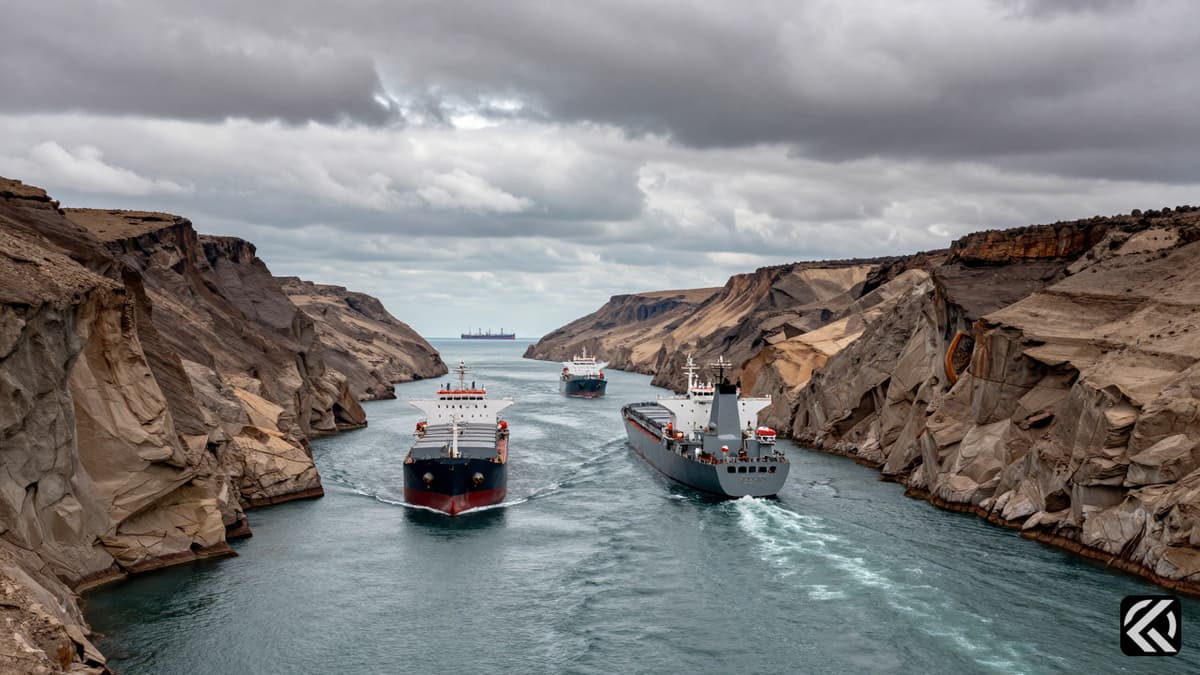
Pakistan's Field Marshal Asim Munir warns President Trump that Iranian port blockades are crippling peace efforts, as oil markets tremble amidst rising US-Iran tensions in the Strait of Hormuz.
Pakistan Field Marshal Asim Munir has directly informed US President Donald Trump that the blockade of Iranian ports stands as a critical obstacle to reviving peace talks between Washington and Tehran. This urgent diplomatic warning was conveyed through a Pakistani security source to Reuters, highlighting the deepening diplomatic crisis. President Trump acknowledged the briefing, stating he would "consider" the advice offered by the Pakistani Field Marshal. This development occurs against a backdrop where negotiations between the United States and Iran appear to be in a state of limbo, with no clear path forward.
The immediate trigger for the current diplomatic freeze involves the seizure of an Iranian-flagged cargo vessel by US forces in the Gulf of Oman. President Trump confirmed that the USS Spruance carried out this operation, describing it as necessary enforcement of an ongoing blockade. In response, Tehran has condemned the military action as "piracy" and has escalated the situation with drone activity near US naval assets. These aggressive maneuvers have raised significant fears of a broader confrontation that could destabilize the region further.
Simultaneously, Iran's foreign ministry spokesperson, Esmail Baghaei, indicated that Tehran currently has "no plans" to attend the next scheduled round of negotiations, although he did not rule out future participation entirely. The Iranian Foreign Minister, Abbas Araghchi, told Pakistani officials that US actions targeting Iranian shipping were a "clear sign" of bad faith preceding any potential talks. Meanwhile, President Trump has maintained a combative tone, issuing warnings that Washington could target Iran's infrastructure if negotiations fail to materialize.
The geopolitical stakes are exceptionally high due to the location of the conflict. At the heart of this escalating crisis is the Strait of Hormuz, a vital waterway through which roughly one-fifth of the world's oil passes daily. Iran has repeatedly restricted traffic in this strategic passage in response to a US-led blockade of its ports. These actions have sent energy markets into severe turmoil, with oil prices surging significantly on Monday after Tehran reimposed strict controls on shipping lanes. This escalation reversed a brief reopening that had been linked to a ceasefire between Israel and Hezbollah, demonstrating the fragility of the current regional balance.
The diplomatic fallout from these military actions has directly impacted the scheduling of high-level meetings. Pakistan had been actively preparing to host critical Pakistan-US-Iran talks in Islamabad for the current week, with US negotiators expected to arrive soon to address the growing tensions. However, the latest escalation involving the US seizure of a ship has cast serious doubt over whether these plans can proceed as scheduled. The uncertainty surrounding the location and timing of these talks reflects the volatility of the situation on the ground.
Market reactions have been swift and volatile. The surge in oil prices on Monday serves as a tangible indicator of the global anxiety regarding the potential disruption of energy supplies. The reimposition of controls on shipping lanes by Tehran has created an environment of uncertainty that affects global trade routes. The situation worsened early Monday with the seizure of the cargo vessel, prompting a sharp reaction from Iranian military assets and increasing the likelihood of further US-Iran tensions boiling over into a wider conflict.
The collapse of the planned talks in Islamabad underscores the precarious nature of the current diplomatic landscape. With the Strait of Hormuz effectively functioning as a flashpoint rather than a corridor for global trade, the window for diplomatic resolution appears to be narrowing rapidly. If President Trump does not find a way to de-escalate the port blockade or reverse the seizure of the Iranian ship, the likelihood of a broader confrontation increases significantly. The warnings from Field Marshal Munir regarding the port blockade as a "hurdle" suggest that without immediate relief on the maritime front, the foundation for any future peace agreement remains nonexistent. Unless Washington adjusts its strategy to address the Iranian demands and the "bad faith" accusations, the path to a negotiated settlement looks increasingly blocked. The region now faces a critical juncture where the choice between continued military posturing and renewed diplomatic engagement will determine the fate of global energy security and regional stability in the coming months.
Jun 8, 2026 02:17 UTC
Magnitude 7.8 Quake Shakes Philippines, Urging Immediate Evacuations
Jun 8, 2026 00:51 UTC
Trump Claims Iran Nuclear Deal Imminent Despite Diplomatic Fractures
Jun 8, 2026 00:47 UTC
Iran Fires Missiles at Israel After Beirut Strike
Jun 7, 2026 22:00 UTC
US, Iran Peace Hops Fade 100 Days Into War
Jun 8, 2026 04:15 UTC
Trump Urges Netanyahu to Halt Iran Strike for Peace


