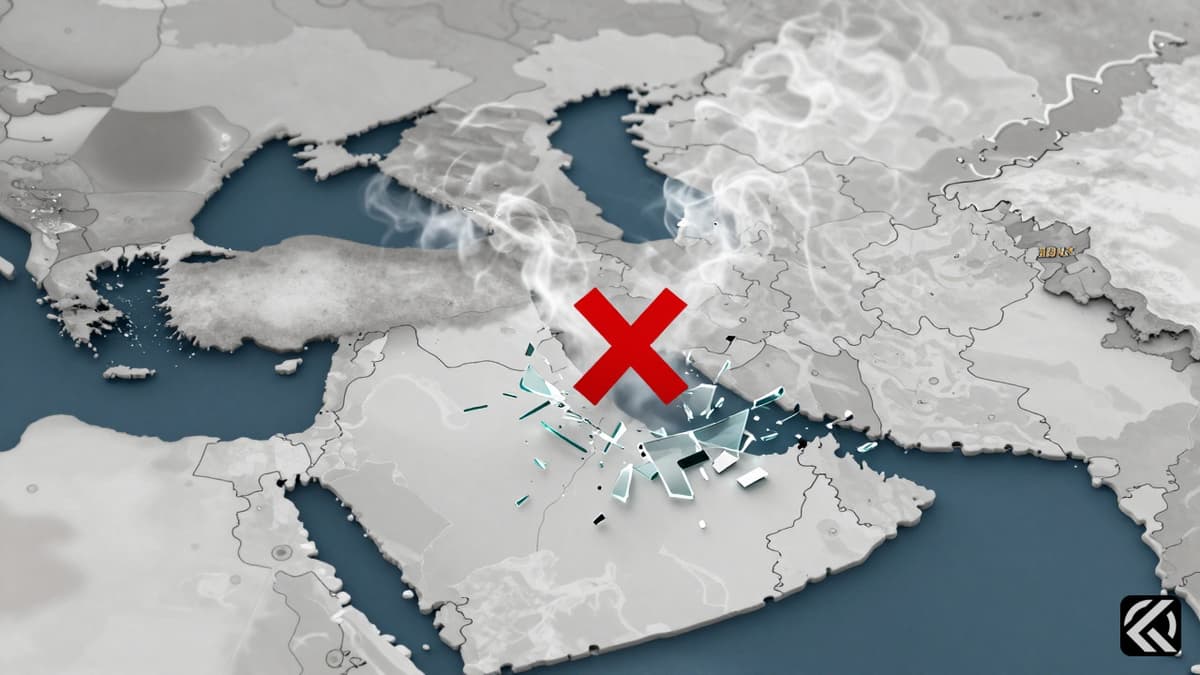
The conflict intensifies with a new Iranian leader named and increased U.S. casualties reported across the Middle East region.
The ongoing military confrontation in the Middle East has entered its second week, marked by significant developments on both the battlefield and within the political corridors of Tehran. The United States military confirmed Sunday that a seventh American service member has been killed in action during the war with Iran. This latest fatality follows a series of intense engagements involving U.S.-Israeli strikes and subsequent Iranian counterattacks that have swept across the region. As hostilities continue, the political landscape of Iran is undergoing a critical transformation following the death of its long-standing leader.
The U.S. military released a statement regarding the seventh American service member lost in the conflict. This individual died on Saturday after sustaining serious injuries during the first weekend of combined U.S.-Israeli operations. According to Central Command, the service member was seriously wounded at the scene of an attack targeting U.S. troops located in Saudi Arabia on March 1. The military has not disclosed the name of the fallen soldier, adhering to protocol regarding next-of-kin notification before identification is released publicly.
The human cost of the conflict extends beyond fatalities. A U.S. official, speaking on the condition of anonymity due to the sensitivity of the situation, reported that nine additional service members have been seriously injured across the region. While other troops are believed to have sustained injuries, those cases are currently considered less severe than the critical incidents affecting these eighteen individuals.
In a somber display of national unity and mourning, President Donald Trump joined grieving families in Delaware on Saturday. The visit occurred as the remains of the first six slain American service members returned to the United States. These initial casualties resulted from a drone strike that targeted an operations center in Kuwait at the outset of the war. The president's presence underscores the gravity of the situation as the administration manages the return of fallen soldiers and the escalating nature of the conflict.
In a move signaling defiance against President Trump, state-run media announced Sunday that Mojtaba Khamenei has been chosen to serve as the next supreme leader of Iran. He is the son of Ayatollah Ali Khamenei, who dominated the country for decades before being killed in an attack at the beginning of the U.S. and Israeli war against Iran. Mojtaba Khamenei is 56 years old and is described as a powerful regime insider who is deeply intertwined with the Islamic Revolutionary Guard Corps (IRGC).
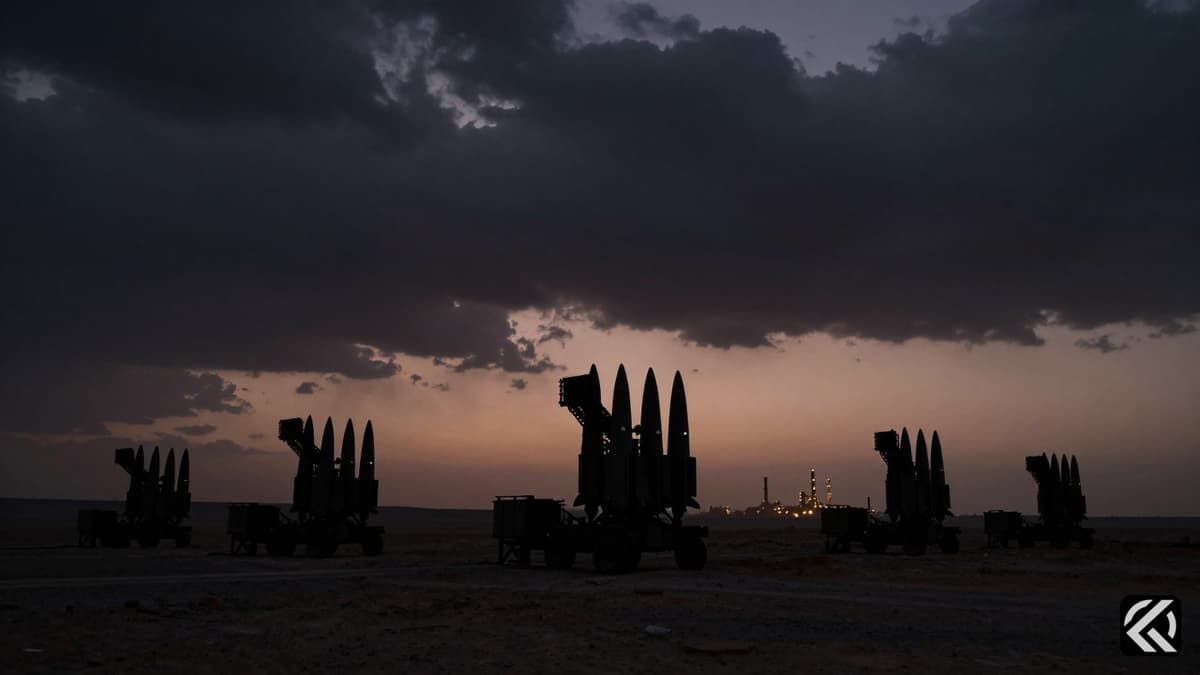
The selection was made by the country’s Assembly of Experts, following intense speculation that one of Ali Khamenei’s sons would be the candidate. While the IRGC had been pushing for Mojtaba’s candidacy, they encountered resistance from other power brokers, including Ali Larijani, the secretary of the Supreme National Security Council of Iran, according to a Western security official speaking to The Washington Post. It remains unclear how many figures from the former supreme leader’s inner circle have been killed during the expanding U.S.-Israeli operation, which complicates the transition process.
The announcement of the election and subsequent leadership choice arrived just hours after the Israel Defense Forces issued a stark warning. Ahead of the Assembly of Experts meeting, Israeli forces cautioned that they would continue to follow any successor and anyone who seeks to appoint one. The IDF stated it would not hesitate to target the dozens of members participating in the meeting. An IDF spokesperson, Nadav Shoshani, noted that while Iran having a new leader might help them advance their war against Israel, the absence of a leader makes it hard for them to operate their war machine.
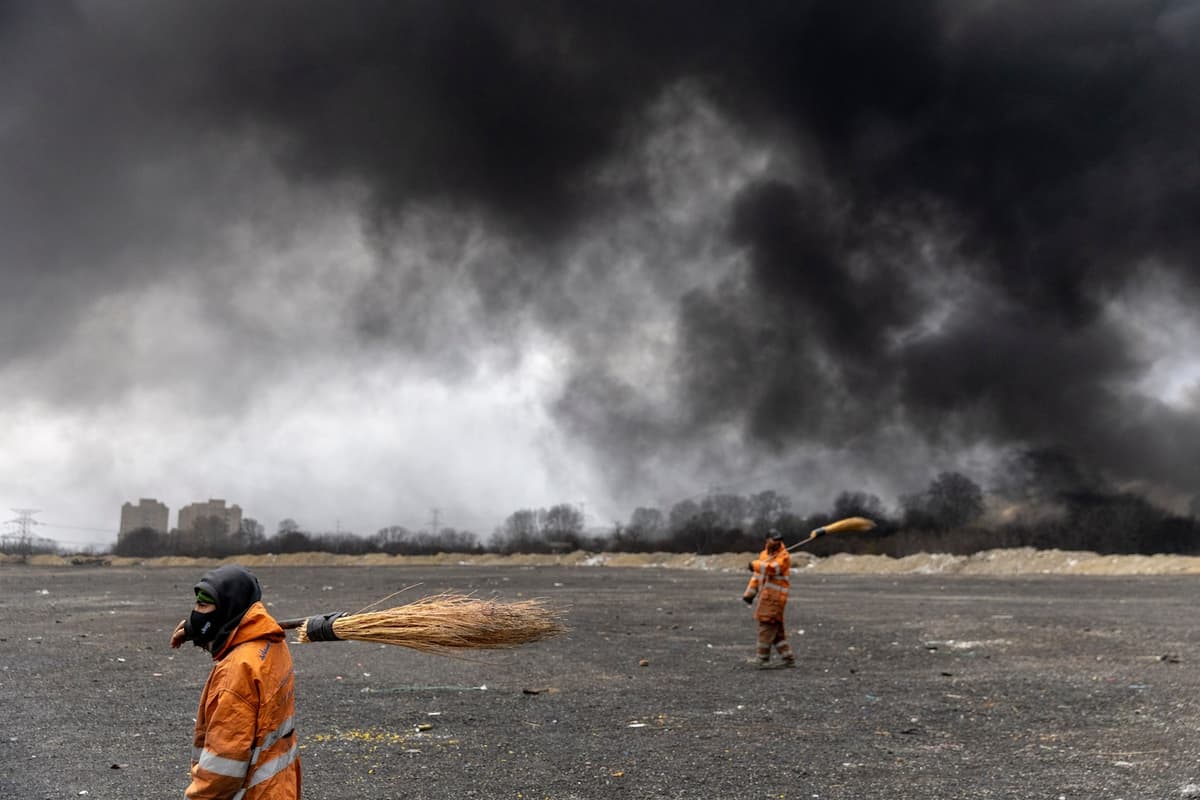
Israeli military operations have expanded significantly, targeting critical infrastructure within Iran. Overnight, Israeli forces struck energy facilities in Tehran, setting fuel depots ablaze. Photos and videos captured during the middle of the night showed the sky over parts of the city burning bright orange as fires engulfed the storage sites. The Iranian government has warned citizens to stay indoors due to environmental fallout from the strikes blanketing parts of the city.
The Iranian Red Crescent Society issued specific warnings regarding potential weather conditions, stating that any rainfall on Sunday could be highly dangerous and acidic due to the chemical fallout. In a briefing, Shoshani confirmed that the military had targeted a number of fuel depots being utilized by the Islamic Revolutionary Guard Corps. This escalation highlights the strategic focus on crippling Iran’s energy capabilities during the conflict.
Retaliation efforts have also intensified. An Iranian drone strike hit a desalination plant in Bahrain shortly after Iranian Foreign Minister Abbas Araghchi claimed that the U.S. had damaged an Iranian desalination plant on Qeshm Island. Araghchi stated, "The U.S. set this precedent, not Iran," regarding the damage to water infrastructure. President Trump told reporters he was unaware of a strike on a desalination plant in Iran, and the Pentagon has not commented publicly on the claim. The parched Persian Gulf region relies heavily on hundreds of desalination plants for drinking water, making them significant targets for possible retaliation.
The conflict has spilled over into neighboring territories, causing casualties among foreign nationals and prompting diplomatic initiatives. Saudi Arabia announced Sunday that it intercepted a drone heading toward the Shaybah oil field. However, the civil defense service also reported a military projectile falling on a residential site, resulting in the deaths of two foreign nationals—an Indian national and a Bangladeshi national—and injuring 12 other Bangladeshi residents.
Simultaneously, Israeli forces expanded their attacks to central Beirut, striking a hotel overnight. The strike hit the Ramada Hotel near the popular Raouche Rocks at about 1:30 a.m. local time without warning. According to the Lebanese Health Ministry, the attack killed at least four people. This action has fueled renewed fears across Lebanon that any area could come under attack. Hezbollah continued to launch salvos at Israel on Sunday morning and claimed that attacks on advancing Israeli troops in southern Lebanon had spread to at least one new area. Israel issued further evacuation warnings, forcing Lebanon’s population into a shrinking amount of territory as strikes thunder across large parts of southern and eastern Lebanon, as well as the southern suburbs of Beirut.
On the diplomatic front, Egyptian officials raised the idea of a joint Arab military force during an emergency virtual meeting of the Arab League. Egypt’s foreign minister pressed for military cooperation among Arab nations. This aligns with proposals made by Egyptian President Abdel Fatah El-Sisi in 2015 and renewed last year for a NATO-style alliance. Meanwhile, President Trump told ABC News he expects to hold sway over the choice of Iran’s new leader, stating that if the successor does not get approval from the U.S., they are not going to last long. He added Sunday that there are numerous people that could qualify for the role.
The war in the Middle East is entering its second week with heightened tensions and significant geopolitical shifts. The confirmation of Mojtaba Khamenei as the supreme leader marks a critical moment for Iran’s command structure amidst active hostilities with the United States and Israel. As Israeli forces continue to target energy infrastructure and Hezbollah engages in retaliatory fire, the stability of the region remains fragile. With environmental hazards threatening civilians and diplomatic efforts exploring new military alliances, the conflict continues to evolve rapidly across national borders.
Jun 8, 2026 22:55 UTC
Netanyahu Vows Forceful Response to Future Iran Attacks
Join 50,000+ readers getting the global briefing every morning.
No spam. Unsubscribe anytime.
Jun 8, 2026 20:56 UTC
Netanyahu Halts Iran Fighting, Vows Future Force
Jun 8, 2026 20:54 UTC
Justice Department Moves to Strip Citizenship from 17 Individuals
Jun 8, 2026 18:37 UTC
Trump Denied War Pledge Despite Clear Campaign Records
Jun 8, 2026 18:27 UTC
INDIA Bloc Unanimously Demands Education Minister’s Resignation