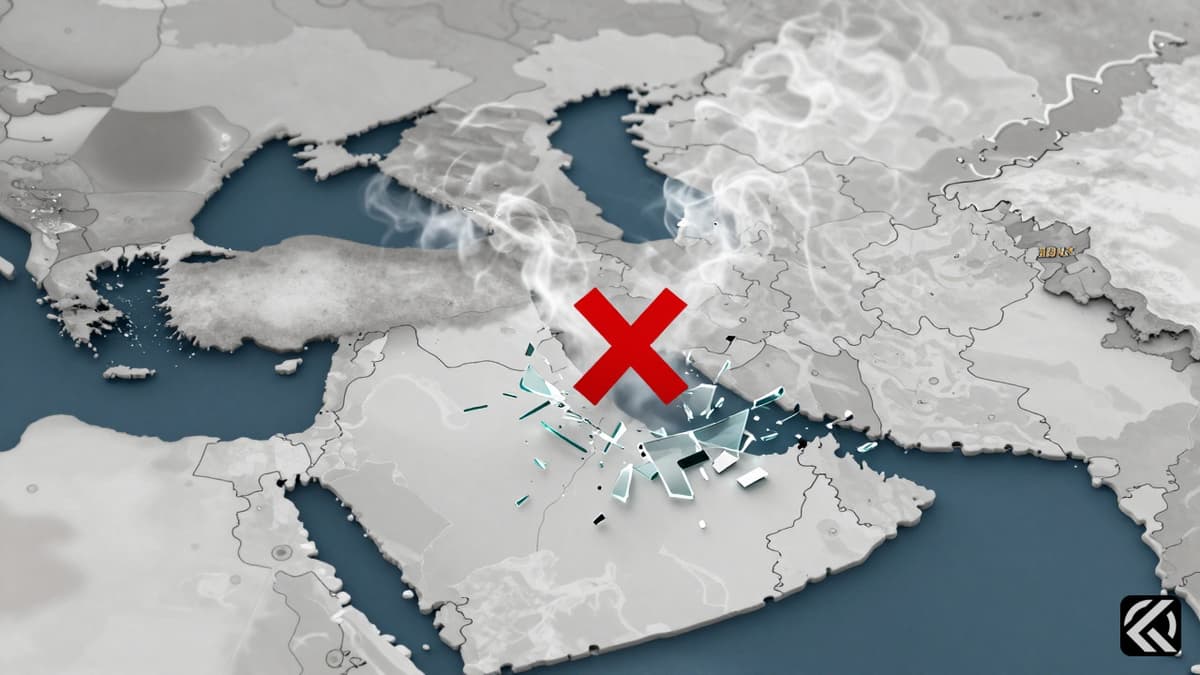
Diplomatic channels strain as President Trump declares the conflict resolved, yet Iran signals continued escalation with new tactical phases and strict mediation terms.
In the volatile geopolitical landscape of March 2026, a stark contradiction has emerged regarding the status of hostilities between the United States and Iran. While US President Donald Trump declared the conflict resolved during a recent CBS interview, Iranian officials have firmly rejected this assessment, signaling continued military engagement. This divergence in narratives highlights significant friction in diplomatic efforts as Tehran outlines strict conditions for ending the war initiated by joint strikes on February 28. The situation underscores a complex interplay between military posturing and economic necessities driving global stability.
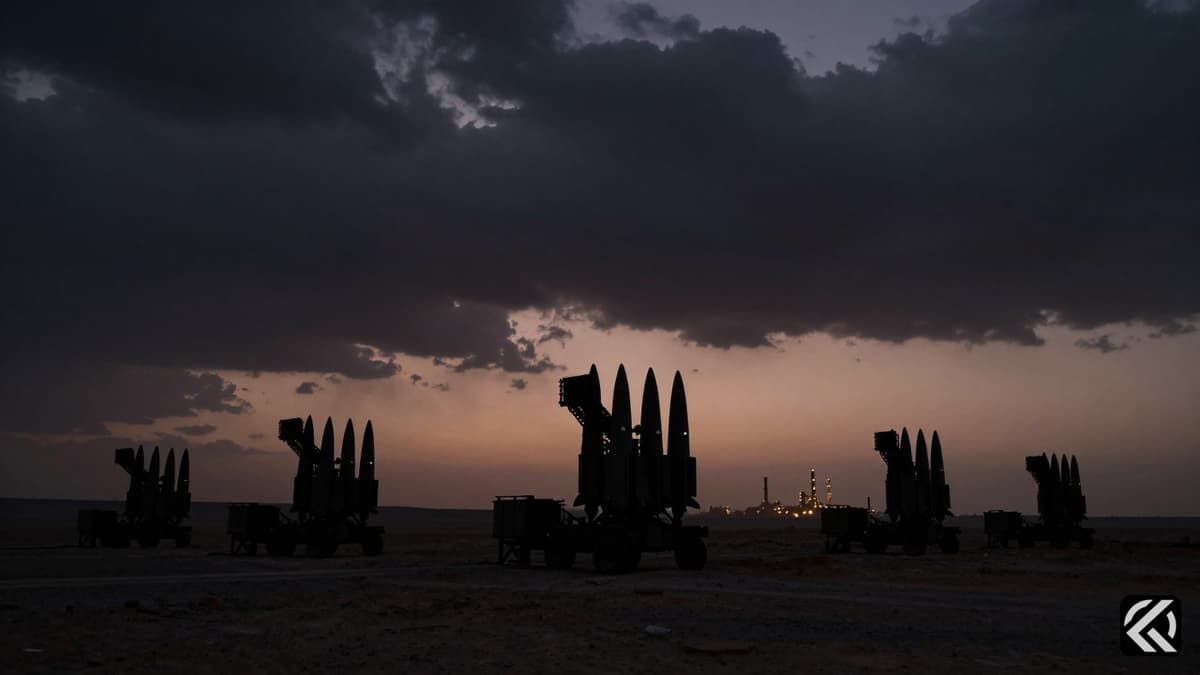
The core of the current tension lies in how the belligerents define the state of the war. President Trump, speaking to CBS hours after Tehran launched its thirty-third wave of projectiles, asserted that the fighting is now "very complete." He claimed Iranian forces were left with no navy, no communications, and no air force. However, this assessment clashes directly with ground realities observed in the past 48 to 72 hours. Iran has shifted to using heavier missiles, a move underscored by a senior IRGC commander's vow regarding payloads exceeding 1,000 kg. This escalation indicates a tactical phase rather than a de-escalation, suggesting Tehran does not share Trump's view that the war is effectively over. The deployment of the heavier Khorramshahr ballistic missile further signals an intent to intensify pressure rather than retreat from the battlefield.
On the diplomatic front, Iran has set specific prerequisites for any mediation. Government spokesperson Fatemeh Mohajerani stated during an afternoon press briefing that Tehran requires more than just a ceasefire prospect to return to negotiations. She emphasized that their people demand assurance that attacks will not resume. Mohajerani declared, "We did not start the war but we will finish it." Parliament Speaker Mohammad Bagher Ghalibaf reinforced this hardline stance on social media platform X, dismissing the notion of talks with the United States and Israel ending the conflict. Ghalibaf wrote in Persian that they are definitely not looking for a ceasefire, believing instead that the aggressor must be punched in the mouth to learn a lesson regarding attacks on Iran.
Beyond the military exchanges, the economic implications of this prolonged engagement have become increasingly visible. The timeline for the war has undergone a significant shortening, deviating from Trump's initial assessment of four to five weeks down to just eleven days of fighting. This reduction is interpreted by analysts as a tactical move by Washington aimed at addressing skyrocketing oil prices. The threat to take control of the Strait of Hormuz, through which a fifth of the world's oil supply is shipped, has left global markets scrambling to secure strategic reserves against potential production halts. Meanwhile, Israeli Prime Minister Benjamin Netanyahu warned that his military offensive is not yet done, claiming operations are actively degrading Iran's clerical leadership.

The ongoing conflict remains at a critical juncture where military rhetoric diverges sharply from diplomatic posturing. While Washington pushes for a resolution to stabilize energy markets, Tehran insists on absolute security guarantees before considering any end to hostilities. As Prime Minister Netanyahu signals continued operations and President Trump claims victory, the path forward remains uncertain amidst high stakes involving global oil supply chains and regional security.
Jun 9, 2026 02:39 UTC
US Warplane Strikes Tanker MT Marivex; Crew Evacuated in Gulf of Oman
Join 50,000+ readers getting the global briefing every morning.
No spam. Unsubscribe anytime.
Jun 9, 2026 00:00 UTC
INDIA Bloc Leaders Gather in Delhi to Forge Strategic Unity
Jun 8, 2026 22:55 UTC
Netanyahu Vows Forceful Response to Future Iran Attacks
Jun 8, 2026 20:56 UTC
Netanyahu Halts Iran Fighting, Vows Future Force
Jun 8, 2026 20:54 UTC
Justice Department Moves to Strip Citizenship from 17 Individuals