Section
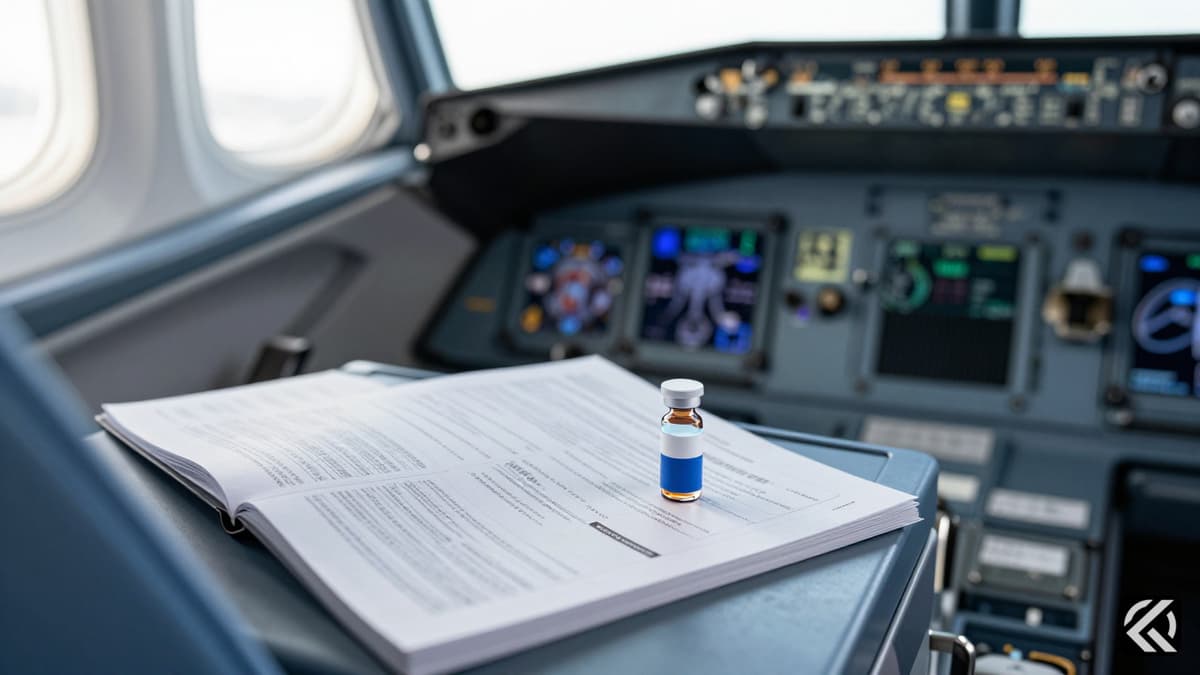
Critical details emerge regarding the Phuket-Delhi flight incident where the pilot-in-command failed a confirmatory dope test, raising safety concerns.
The pilot-in-command of last Tuesday’s Air India flight AI 2379 failed a confirmatory dope test after the aircraft experienced severe turbulence during its journey from Phuket to Delhi. Multiple sources confirmed that the pilot was acting under the influence of psychoactive substances, specifically marijuana, leading to a chaotic onboard environment. The incident has triggered a serious DGCA investigation into the airline’s safety protocols and pilot conduct.
The Airbus A320 flight experienced a sudden loss of altitude, momentarily entering a “negative G” situation that caused the pilot and objects in the cockpit to float upward. This physical reaction injured 20 passengers and four cabin crew members who were not wearing seat belts during the unexpected maneuver. The young co-pilot was forced to single-handedly steady the aircraft and land it safely at the destination, as the pilot-in-command lost control of his faculties.
According to insiders, the pilot was often sitting on the floor of the flight deck, attempting to smoke out, and required assistance from cabin crew to return to his seat. He was described as being unable to walk properly after exiting the aircraft, further confirming his impaired state. The cabin crew filed a formal complaint against the pilot’s behavior, prompting the unusual step of subjecting the cockpit crew to a drug test rather than a standard breath analyzer.
The Air Force of India (AAIB) has launched a systematic investigation, collecting technical, operational, and medical evidence to determine whether the altitude loss was due to technical snags or pilot error. Meanwhile, the Civil Aviation Ministry has summoned Air India’s outgoing CEO, Campbell Wilson, to address the incident’s implications for public faith and operational stability.
The revelation that the pilot was high on marijuana has intensified scrutiny on Air India’s management, particularly as the airline attempts to recover from the Ahmedabad crash in June 2025. While Tata Sons and partner Singapore Airlines have invested heavily in cosmetic improvements and infrastructure, the airline continues to struggle with leadership and professional management issues. The current incident adds another layer of operational turbulence to the carrier’s reputation, raising questions about the robustness of the Indian aviation system’s safety mechanisms.
The Directorate General of Civil Aviation (DGCA) is currently reviewing its rules titled “procedure for examination of aviation personnel for consumption of psychoactive substances.” A key point of contention among India’s senior-most pilots is the need for differentiation between pilots testing positive due to necessary medication for sleeping or anxiety and those who consume true psychoactive substances. This distinction is crucial for establishing fair and effective regulatory frameworks that do not penalize medical needs while strictly prohibiting recreational drug use.
The AAIB’s preliminary findings will likely determine the extent of the pilot’s liability and whether technical failures contributed to the flight’s instability. The ministry has stated that certain records and medical information collected during the investigation are protected and confidential. The AAIB has requested all concerned parties to respect the investigation process and refrain from drawing conclusions until a thorough examination of all material facts is complete.
For Air India, the financial losses and operational disruptions caused by this incident are significant. The airline’s efforts to regain public trust are now overshadowed by concerns over pilot fitness and oversight mechanisms. The pilot drug test results serve as a critical indicator of the gaps in pre-flight screening procedures that allowed an impaired individual to assume control of a commercial aircraft.
The incident has also highlighted the physical dangers of pilot impairment. The negative G-force event, where the pilot floated upward behind the co-pilot’s seat, demonstrates the immediate and severe physical consequences of losing control in the cockpit. This physical evidence, combined with the positive drug test, provides a clear picture of the pilot’s compromised state during the critical phases of the flight.
The confirmation of marijuana use by a commercial pilot marks a significant breach of aviation safety standards, demanding immediate and stringent corrective actions from regulators and airlines alike. The DGCA’s review of psychoactive substance rules suggests a potential tightening of protocols, possibly introducing more frequent or random testing intervals to deter such behavior. The differentiation between medical and recreational drug use will likely lead to more rigorous medical screening processes for pilots, ensuring that necessary treatments do not inadvertently compromise safety.
Air India’s leadership will face intense pressure to demonstrate effective management and restore confidence in its operational capabilities. The summoned CEO must provide a comprehensive plan to address the cultural and structural issues that contributed to this incident. Long-term, this event may catalyze industry-wide reforms in pilot monitoring and mental health support, ensuring that psychological and physiological fitness are prioritized alongside technical competence.
The broader aviation sector may also see increased scrutiny of onboard safety measures, particularly regarding seatbelt compliance and emergency response protocols during turbulence. The injuries sustained by passengers and crew serve as a stark reminder of the vulnerabilities inherent in air travel when safety protocols are breached. As the investigation progresses, the industry will watch closely for precedents set by this case, which could redefine liability and accountability standards for pilot impairment incidents globally.
The confirmed failure of the Air India flight AI 2379 pilot to remain drug-free has exposed critical vulnerabilities in pre-flight screening. As the DGCA investigation unfolds, the airline faces a pivotal moment where operational credibility is at stake. The long-term impact will likely be stricter enforcement of psychoactive substance policies and enhanced pilot monitoring systems to prevent recurrence and restore public trust in the airline’s safety standards.
Aug 17, 2026 14:29 UTC
USS Abraham Lincoln Crew Faces Mental Health Crisis During Extended Deployment
Aug 17, 2026 04:30 UTC
Trump Reduces Joint Military Exercises With South Korea
Aug 17, 2026 02:52 UTC
Kushner Meets Hamas in Egypt Over Rejected Gaza Ceasefire Plan
Aug 16, 2026 20:37 UTC
Kushner Mediates Gaza Ceasefire Amidst Escalating US-Iran Conflicts
Aug 14, 2026 12:01 UTC
Luigi Mangione Legal Proceedings: Federal Plea Talks for United Healthcare CEO Case