Section
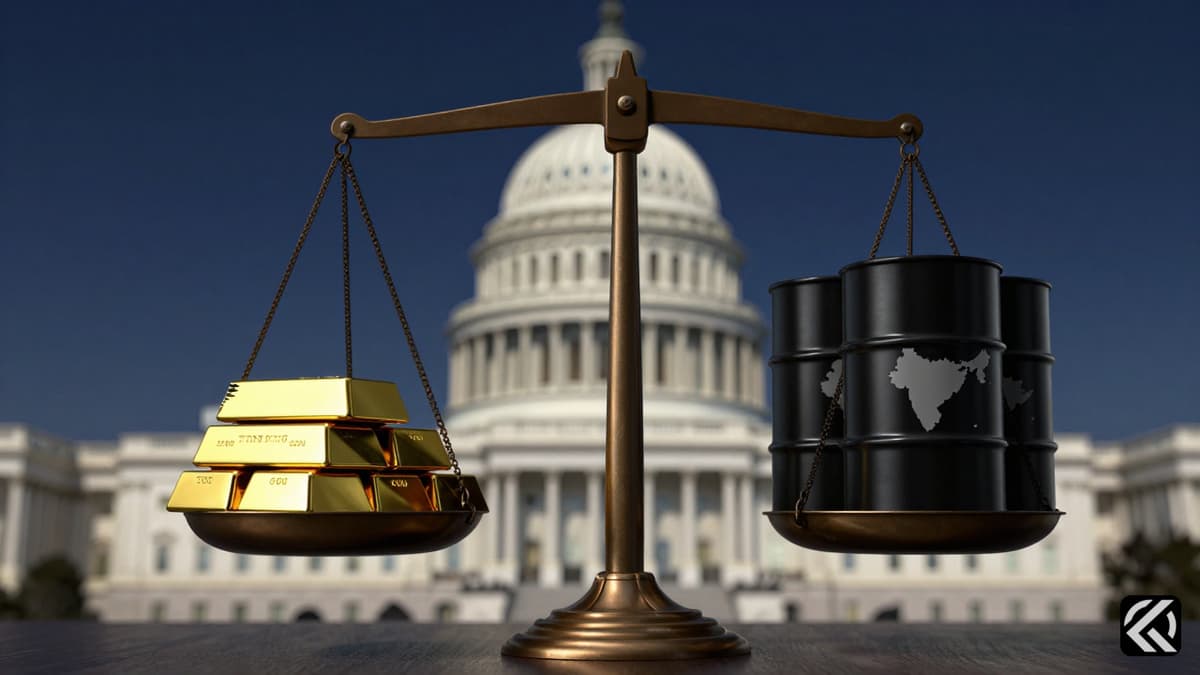
The US Senate has cleared legislation permitting severe tariffs on India, compelling New Delhi to choose between discounted Russian energy and vital US market access.
The US Senate on Friday approved a controversial bipartisan bill that grants President Donald Trump the authority to impose tariffs of up to 100% on goods from countries continuing to purchase Russian oil and gas. This legislative move places India and China at the center of a diplomatic and economic confrontation, as both nations remain among the world's top buyers of Russian crude oil despite international sanctions. The legislation, titled the Lindsey O Graham Sanctioning Russia and Iran Act of 2026, was passed by a decisive vote of 86-11. Its primary objective is to increase economic pressure on Moscow and Tehran while targeting the energy trade networks that sustain Russia's war effort in Ukraine.
The bill forces countries that continue to buy discounted Russian energy to make a critical choice between maintaining access to the US market or supporting Moscow's economy. Darline Graham, the late senator’s sister and appointee to his seat, emphasized the bill’s intent to create a difficult dilemma for nations propelling the Russian economy. "This bill forces those primary countries keeping Russia’s economy afloat to make a simple yet critical choice - a choice between doing business with America or buying cheap Russian energy," she stated. The measure is designed not just to punish, but to compel a strategic pivot away from Russian energy imports.
The newly approved US Senate bill extends beyond simple tariffs on Russian oil buyers. It proposes a comprehensive sanctions framework targeting Russian President Vladimir Putin, senior political and military officials, financial institutions, and energy projects linked to the war effort. Furthermore, the legislation expands existing US sanctions to include older and reflagged oil tankers that Russia allegedly utilizes to circumvent restrictions and continue generating revenue from oil exports. The broader strategic goal is to significantly reduce the flow of money supporting Russia’s economy and military campaign in Ukraine.
The legislation also specifically targets Iran by extending the Iran Sanctions Act of 1996 until 2031, maintaining pressure on Iran's energy sector. This combination of measures positions the bill as a dual-front geopolitical strategy against two of Washington’s major adversaries. The authority to impose tariffs is directed at the world's top five purchasers of Russian oil or natural gas. India, alongside China, is identified as a key beneficiary of discounted Russian crude, having significantly increased its purchases since the war in Ukraine began in 2022.
India’s reliance on Russian crude oil has grown substantially as Europe stopped buying Russian supplies following the invasion of Ukraine. This shift allowed Indian refiners to secure discounted crude, lowering costs and ensuring supply stability despite global market disruptions. The situation has become even more critical amid disruptions to shipping through the Strait of Hormuz, which have affected energy supplies from the Middle East. Despite Washington's previous attempts to impose additional charges, Indian refiners have largely persisted, with imports rising 34% in June 2026 alone.
If the proposed Trump tariffs on India are implemented, the impact on Indian exporters could be severe. Goods would become significantly more expensive for US importers, potentially leading American buyers to seek alternative suppliers in other countries. Export-oriented sectors such as engineering goods, pharmaceuticals, chemicals, textiles, and auto components could face weaker demand, tighter margins, or the need to absorb additional costs to remain competitive. The threat of such tariffs may encourage Indian companies to diversify their export markets and increase pressure on New Delhi to negotiate with Washington.
New Delhi has consistently maintained that its energy purchases are guided by national interest, energy security, and the need for affordable supplies. However, the legislative push presents a stark choice. The bill allows for exemptions for countries that import less than 15% of Russia’s total natural gas exports and are taking steps to reduce dependence. The US president also retains authority to waive sanctions if deemed in the US national interest, leaving room for diplomatic maneuvering.
Despite overwhelming Senate support, the bill faced opposition from lawmakers concerned about the breadth of tariff authority granted to the president. Critics argue that such tariffs could increase costs for American consumers and businesses during a period of high living expenses. Senator Ron Wyden highlighted the economic strain on American households, noting that citizens are "walking an economic tightrope." An amendment by Senators Rand Paul and Wyden to remove the new tariff authority was defeated.
Senator Raphael Warnock, who had raised concerns about the tariff provisions, indicated he received a written commitment from the Trump administration outlining safeguards against overreach. "We should not have to choose between putting a check on Putin's aggression and putting a check on this president's tariffs regime," Warnock said, warning that judicial review would follow if powers were exceeded. The legislation now moves to the US House of Representatives, which is expected to consider it later this month. The House must approve the bill before it can be sent to President Trump for his signature, marking a significant legislative and diplomatic process ahead.
The passage of this legislation signals a potential escalation in US economic statecraft, directly linking trade access to foreign policy compliance. If enacted, the 100% tariff threat will likely force a rapid realignment in global energy supply chains. For India, the long-term impact could involve accelerating efforts to diversify energy sources away from Russia or engaging in high-stakes bilateral negotiations to secure tariff exemptions. The outcome will test the resilience of New Delhi's foreign policy autonomy against Washington's economic leverage. Additionally, the bill’s focus on Iran suggests a continued tightening of pressure on Tehran, potentially further fracturing global energy markets. The immediate future will depend on the House's response and the subsequent diplomatic engagements between New Delhi and Washington, as the world watches to see whether economic penalties will successfully alter energy procurement habits or merely strain diplomatic ties further.
Aug 17, 2026 14:29 UTC
USS Abraham Lincoln Crew Faces Mental Health Crisis During Extended Deployment
Aug 17, 2026 04:30 UTC
Trump Reduces Joint Military Exercises With South Korea
Aug 17, 2026 02:52 UTC
Kushner Meets Hamas in Egypt Over Rejected Gaza Ceasefire Plan
Aug 16, 2026 20:37 UTC
Kushner Mediates Gaza Ceasefire Amidst Escalating US-Iran Conflicts
Aug 18, 2026 00:00 UTC
Trump’s False Claims on South Korea Defense Payments Disputed