Section
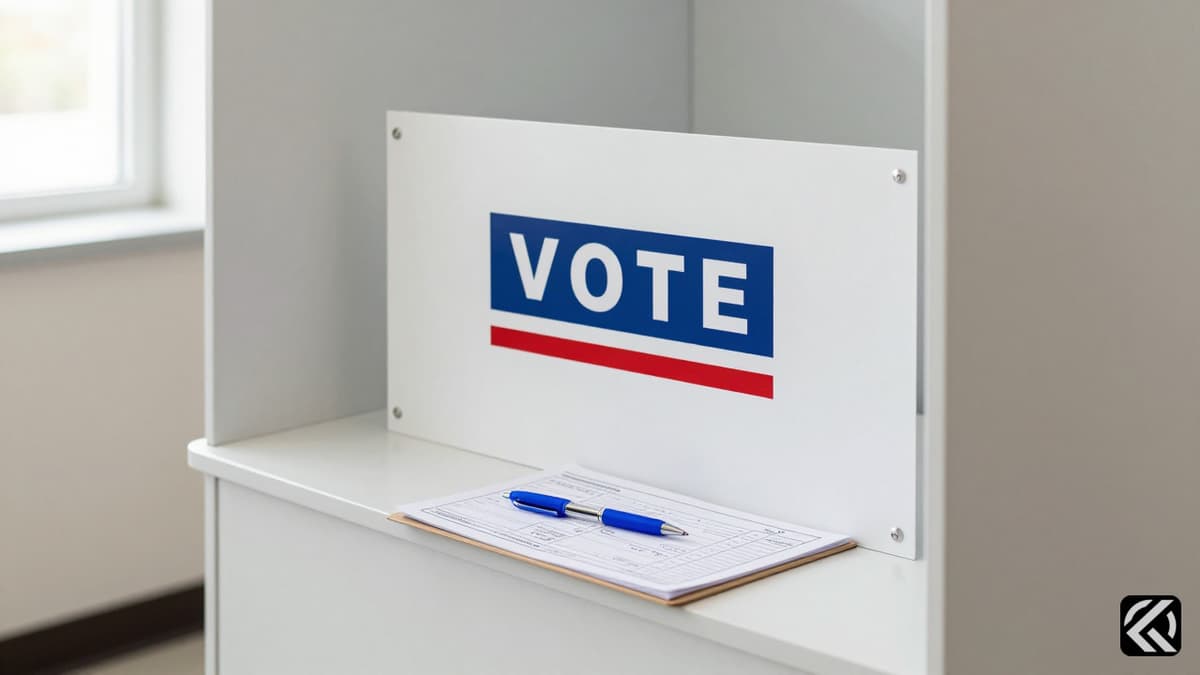
Tuesday’s primaries in six states could dramatically shift political landscapes, with the California governor’s race and LA mayor contest drawing intense national scrutiny and unexpected developments.
Six states, including California, Iowa, Montana, New Jersey, New Mexico, and South Dakota, are holding primaries on Tuesday, offering early indicators of broader political trends as results begin to roll in on Tuesday evening. These elections are critical for understanding the shifting dynamics within both Democratic and Republican parties, particularly in high-stakes contests that have drawn significant national attention due to their unpredictability and potential long-term impacts on state governance and federal policy alignment.
The most scrutinized contest is likely the California governor's race, which has been described as one of the wildest in recent memory. The landscape shifted dramatically after front-running Democrat Eric Swalwell dropped out following allegations of sexual assault, allegations he has denied. His departure allowed former US Health and Human Services Secretary Xavier Becerra to surge in the polls, bolstered by his reputation as a steady pick with a solid political resume. He now faces billionaire businessman Tom Steyer and Republican Steve Hilton, a former Fox News host. With the top-two primary system in play, the two highest vote-getters will advance to November, regardless of party. Hilton has recently urged Republicans to unite behind him rather than supporting Riverside County Sheriff Chad Bianco, arguing that a split Republican vote is no longer viable. This strategy suggests Hilton’s primary goal is making the general election, where he would likely be the underdog against whichever Democrat advances. If Hilton fails to reach the general election, however, it could signal a fractured Republican base or a strong surge for Becerra.
In Los Angeles, the mayor’s race has become a focal point for national Republicans, offering a glimpse into urban political vulnerabilities. Reality TV star Spencer Pratt has gained traction in conservative circles by focusing on voter dissatisfaction with Democratic Mayor Karen Bass regarding her handling of recent devastating wildfires and the homelessness crisis. Pratt finds himself in a tight three-way contest against Bass and Los Angeles City Councilmember Nithya Raman, a democratic socialist. Recent polling from UC Berkeley and the Los Angeles Times shows Bass at 26%, Raman at 25%, and Pratt at 22%. Despite his rise in conservative media, Pratt faces significant headwinds, with 57% of likely voters expressing an unfavorable view of him, a rating identical to Bass’. In hypothetical general election scenarios, both Democrats currently hold substantial leads over Pratt, suggesting his path to victory remains steep despite his national media presence.
The political calculus shifts westward to Iowa, where Democrats are watching both the governor’s race and the Iowa Senate race with cautious optimism. In the Senate contest, incumbent Republican Sen. Joni Ernst is retiring, opening the door for Democrats to potentially expand the Senate map. Paralympian and state Rep. Josh Turek and populist state Sen. Zach Wahls are battling for the nomination. Wahls has been campaigning aggressively against Senate Minority Leader Chuck Schumer, a strategy that may appeal to populist voters. While President Donald Trump carried Iowa by 13 points in 2024, Democrats hope his tariff policies could erode Republican support in this farming-heavy state. Simultaneously, Trump has inserted himself into the crowded Iowa governor’s Republican primary, endorsing Rep. Randy Feenstra over businessman Zach Lahn. This endorsement likely makes Feenstra the favorite, but Democrats hold high hopes for State Auditor Rob Sand, who may capitalize on the governor’s race’s lower partisanship.
Montana presents a different strategic challenge for Democrats. With GOP Sen. Steve Daines’ last-minute retirement intended to anoint Republican Kurt Alme, some Democrats are considering rallying behind independent Seth Bodnar, the former president of the University of Montana. This strategy, common in states where winning the primary is difficult, involves elevating a less prominent Democrat to avoid splitting the anti-GOP vote. While some Democrats back former Gov. Brian Schweitzer’s pick of former state Rep. Riley Neill, others support Alani Bankhead, aiming to clear the path for Bodnar.
South Dakota also remains a critical watch point, particularly for Gov. Larry Rhoden, who took office after Kristi Noem’s departure to join the Trump administration. Rhoden faces a challenging GOP primary against Rep. Dusty Johnson, businessman Toby Doeden, and state House Speaker Jon Hansen. As in Iowa, the 35% threshold is crucial; if no candidate secures it, the top two will advance to a runoff on July 28, potentially prolonging the contest and dividing the party.
The outcomes of these Tuesday primaries will significantly influence the strategic positioning of both major parties heading into the fall. In California, the results will clarify whether the GOP can fracture a Democratic lead in the governor’s contest, while Spencer Pratt’s performance in LA may indicate the durability of populist appeals in blue urban centers. In Iowa and Montana, the Senate races will reveal whether Trump’s influence is effectively mobilizing rural voters or if dissatisfaction with federal policies is creating openings for Democrats. Ultimately, the dynamics in these six states serve as a barometer for national political sentiment, particularly regarding economic policies like tariffs and urban governance failures.
Jun 11, 2026 12:59 UTC
US Strike on Settebello Kills Indian Sailors Amid Strait of Hormuz Tensions
Jun 11, 2026 12:49 UTC
Air India Flight 171 Crash Sparks Debate Over Boeing 787 Dreamliner Faults
Jun 11, 2026 08:51 UTC
US-Iran Conflict: Indian Seafarers Killed in Gulf Strike
Jun 11, 2026 18:04 UTC
Healey Quits Government Over Defence Spending Dispute