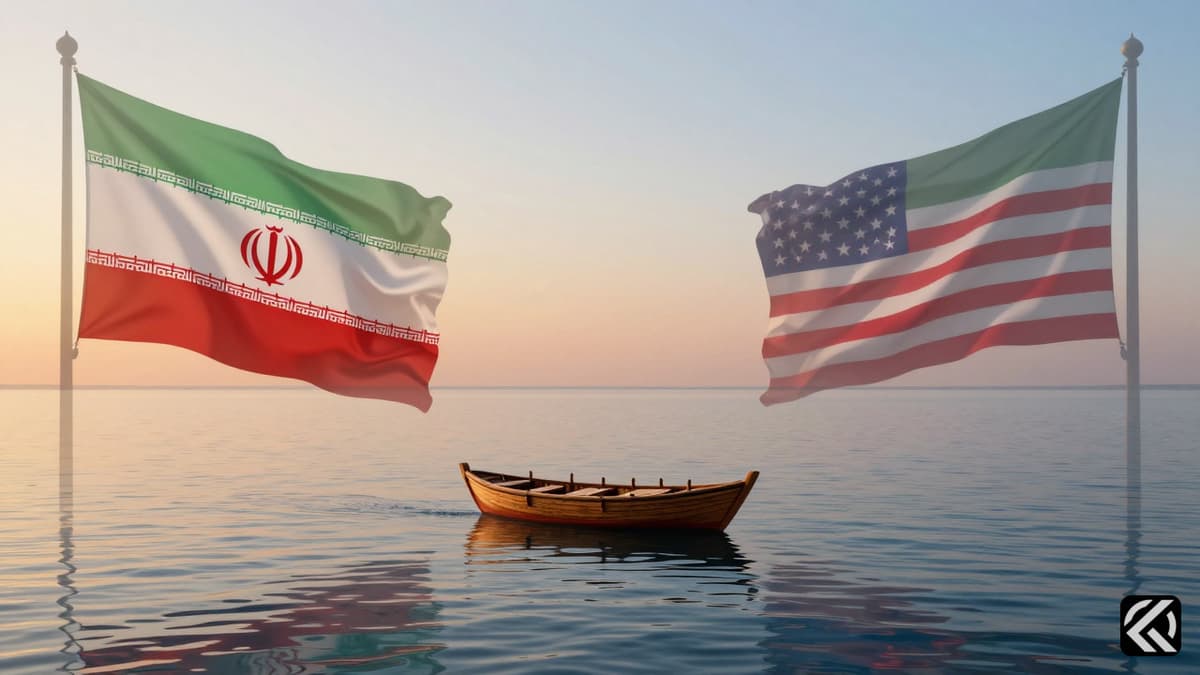
As tensions peak, Iran and the U.S. convene in Islamabad for critical negotiations. A truce in Lebanon and asset freezes hang in the balance as Vance warns against games.
The diplomatic landscape of West Asia shifted dramatically this weekend as Iranian officials and U.S. representatives gathered in Islamabad for crucial peace talks. Scheduled for Saturday, April 11, 2026, this meeting marks a pivotal attempt to de-escalate tensions between the two nations. The discussions are being framed as a high-stakes negotiation where the fate of regional peace hangs in the balance, with Iran explicitly demanding a truce in Lebanon and the unfreezing of its assets before negotiations can truly commence.
On the day prior, U.S. Vice President J.D. Vance traveled to the Pakistani capital with a stern message for Tehran. Before arriving, he issued a sharp warning on Friday, April 10, instructing Iran not to "play" the United States during the talks. This caution sets a tense tone for the diplomatic session, suggesting that the U.S. expects serious commitment rather than tactical maneuvering. The presence of the Vice President highlights the urgency with which the U.S. administration views these developments, treating the Islamabad summit as a critical juncture for potential conflict resolution or further escalation.
Simultaneously, the Pakistani host, Prime Minister Shehbaz Sharif, stepped up to define the gravity of the situation. In a televised address to the nation on Friday, Sharif described the ongoing talks as a definitive "make-or-break moment" for the involved parties. His characterization underscores the immense pressure on both Washington and Tehran to reach a viable agreement. If the talks fail, the consequences could be severe for regional stability, marking this week's events as a potential turning point in the history of U.S.-Iran relations.
The stakes are further elevated by the explicit goals set by U.S. President Donald Trump, who has laid out non-negotiable priorities for the summit. Trump vowed that the Strait of Hormuz would remain open "with or without" Iran's cooperation, signaling a robust U.S. commitment to maintaining the vital waterway's accessibility regardless of Tehran's consent. Furthermore, he stated clearly that his top priority at the Islamabad talks is to ensure that the Islamic republic does not acquire a nuclear weapon. This demand places the potential development of nuclear capabilities at the very center of the negotiation table, complicating the path to a resolution.
Iran's position, as articulated by its officials, creates a complex diplomatic hurdle for the U.S. side. Tehran has insisted that any progress toward a U.S.-Iran ceasefire is contingent upon two specific conditions being met first: a truce in Lebanon and the unfreezing of Iranian assets held abroad. This stance indicates that Iran views the relief of economic sanctions and a de-escalation of the conflict in Lebanon as prerequisites for any meaningful dialogue. The implication is that without these concessions, the negotiations may stall before they even begin, leaving the region in a state of prolonged uncertainty.
The dynamics of this meeting also highlight the strategic role of Pakistan mediation. As the host nation, Pakistan finds itself in the delicate position of facilitating a dialogue between two historically adversarial powers. The fact that the talks are taking place in Islamabad rather than directly in Washington or Tehran suggests a third-party effort to create a neutral ground for discussion. This approach mirrors previous attempts to manage regional conflicts through third-party diplomacy, aiming to lower the temperature and provide a structured environment for the two sides to air their demands.
As the parties prepare to engage, the world watches closely to see if the warnings from Vice President Vance and the demands from Iran can find common ground. The interaction between the U.S. insistence on nuclear non-proliferation and Iranian demands for economic relief and regional truces creates a complex web of interests. The outcome of these talks will likely determine the trajectory of West Asian security for years to come, making this weekend's events a defining moment in the geopolitical history of the region.
The convergence of demands from the U.S. regarding nuclear weapons and the Strait of Hormuz with Iran's insistence on a Lebanon truce and asset unfreezing creates a precarious diplomatic equilibrium. If the Pakistan mediation efforts fail to bridge these gaps, the likelihood of continued conflict escalates significantly. The region may face prolonged instability, with the economic and strategic implications of a closed or contested Strait of Hormuz resonating globally. The "make-or-break" nature of these talks suggests that failure could lead to an irreversible deterioration in relations, whereas success offers a narrow window for a sustainable U.S.-Iran ceasefire and long-term regional de-escalation.
Jun 8, 2026 00:51 UTC
Trump Claims Iran Nuclear Deal Imminent Despite Diplomatic Fractures
Jun 8, 2026 00:47 UTC
Iran Fires Missiles at Israel After Beirut Strike
Jun 7, 2026 22:00 UTC
US, Iran Peace Hops Fade 100 Days Into War
Jun 7, 2026 20:57 UTC
Iran Strikes Israel: IRGC Promises Week of Continuous Offensive
Jun 8, 2026 02:28 UTC
Trump Walks Out of Meet the Press After Rejecting Evidence Demands


