
Section
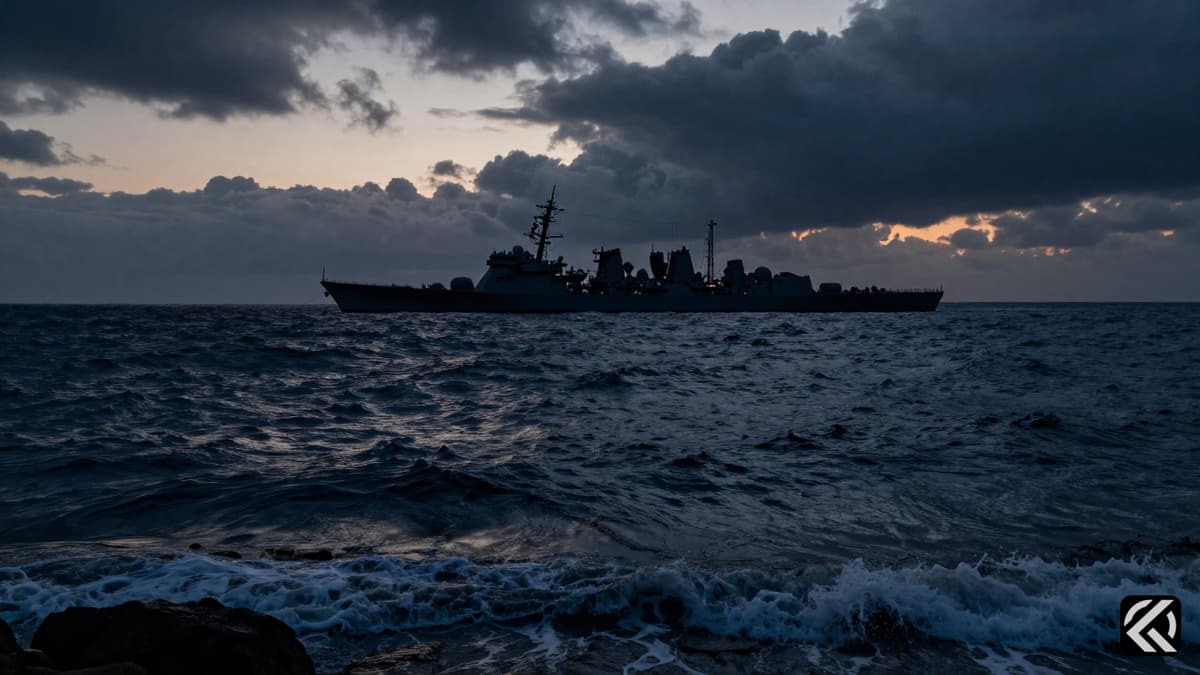
Amidst stalled diplomatic talks, the US military has launched fresh strikes in southern Iran, raising questions about the viability of a potential ceasefire deal.
US Central Command confirmed Tuesday that it has executed new military strikes in southern Iran, asserting that the actions were taken in "self-defense" to protect American troops from threats posed by Iranian forces. This development occurs against a backdrop of fragile diplomatic negotiations, as Iranian Foreign Ministry spokesman Esmail Baqai acknowledged some progress in talks with the United States but firmly stated that a deal to end the conflict "is not imminent."
The recent military action targeted an area near Bandar Abbas, a strategic southern port city that hosts an Iranian naval base situated on the Strait of Hormuz. According to reports from the New York Times, the strikes were aimed at this critical geographic location, underscoring the region's significance in global energy transport and military strategy. Despite the intensity of the US military response, Iran has yet to issue an official response to the latest attacks, leaving the international community uncertain about how these hostilities will influence the ongoing peace process.
The timing of these strikes creates a complex dynamic for negotiators. Earlier in the weekend, President Donald Trump suggested that both sides were close to reaching an agreement, only to later instruct negotiators "not to rush into" a deal. This mixed messaging highlights the precarious nature of the current diplomatic landscape. Esmail Baqai clarified Iran's position, stating, "It is correct to say that we have reached a conclusion on a large portion of the issues under discussion... But to say that this means the signing of an agreement is imminent - no-one can make such a claim."
Complicating matters further, CBS News and the BBC's US partner have reported that US intelligence believes Iran's Supreme Leader Mojtaba Khamenei is currently holed up in an undisclosed location. Khamenei was injured in an Israeli strike on the first day of the war, which also killed his father and predecessor. This injury is reportedly making communication with his envoys difficult, thereby delaying the pace of talks with the US. The inability of the Supreme Leader to communicate effectively with his representatives adds a significant layer of uncertainty to the negotiations.
Despite the downplaying of any breakthrough by senior officials, high-level discussions continue. Iran's top negotiator and foreign minister were reported by Reuters to be in Doha for talks with Qatar's prime minister regarding a potential deal with the US. The memorandum of understanding being discussed reportedly involves a 60-day ceasefire extension, the reopening of the Strait of Hormuz, and a plan for further negotiations over Iran's nuclear program. However, according to US media, these discussions will not immediately lead to a final settlement. Contentious issues, including details of Iranian sanctions relief, the release of frozen Iranian funds, and US demands for Iran to curb its nuclear ambitions, will likely be negotiated later.
The nuclear issue remains a central point of contention. At the start of the war, Iran is thought to have possessed about 440kg (970 lbs) of uranium enriched up to 60% purity. This level of enrichment is a short process away from being enriched further to the weapons-grade 90%, which theoretically could allow it to create a nuclear bomb. On Monday night, President Trump stated that the enriched uranium would either be "immediately" turned over to the US, or "preferably, in conjunction and co-ordination with the Islamic Republic of Iran, destroyed in place."
The US military's recent operations demonstrate a continued reliance on force as a lever in diplomatic negotiations. US Central Command emphasized that the strikes were designed "to protect our troops from threats posed by Iranian forces." This statement reflects the persistent security concerns driving American policy in the region. The lack of an Iranian response to the latest strikes suggests a potential strategy of restraint or a delay in formal diplomatic reactions, leaving observers to speculate on Tehran's next move.
The intersection of military action and diplomatic talk presents a paradox. While US Central Command continues to justify its actions as necessary for troop protection, the diplomatic channel remains open, albeit fragile. The 60-day ceasefire extension proposed in the memorandum of understanding could provide a window for de-escalation, but the underlying issues regarding nuclear capabilities and sanctions relief remain unresolved. The injury to Supreme Leader Mojtaba Khamenei adds a critical variable; if communication remains difficult, the pace of any potential agreement could slow further, regardless of the progress made by envoys in Doha.
The convergence of fresh US military strikes in southern Iran and stalled diplomatic talks suggests a prolonged period of tension in the Middle East. As the US Central Command continues to prioritize troop safety through kinetic action, the diplomatic process faces significant hurdles, including leadership communication gaps and unresolved nuclear disputes. The upcoming weeks will be critical in determining whether the proposed 60-day ceasefire can hold or if military escalations will derail the peace efforts entirely, potentially reshaping the geopolitical landscape for years to come.
Jun 11, 2026 17:21 UTC
Bangladesh Opposition Mobilizes Against India-Bangladesh Border Push-Ins and BSF Killings
Join 50,000+ readers getting the global briefing every morning.
No spam. Unsubscribe anytime.
Jun 11, 2026 17:40 UTC
Boelter Pleads Guilty in Minnesota Political Assassinations
Jun 11, 2026 17:21 UTC
Bangladesh Opposition Mobilizes Against India-Bangladesh Border Push-Ins and BSF Killings
Jun 11, 2026 17:21 UTC
John Healey Quits as UK Defence Secretary Over Funding Dispute
Jun 11, 2026 16:19 UTC
UK Defence Secretary John Healey Quits Over Funding Dispute


