
Section
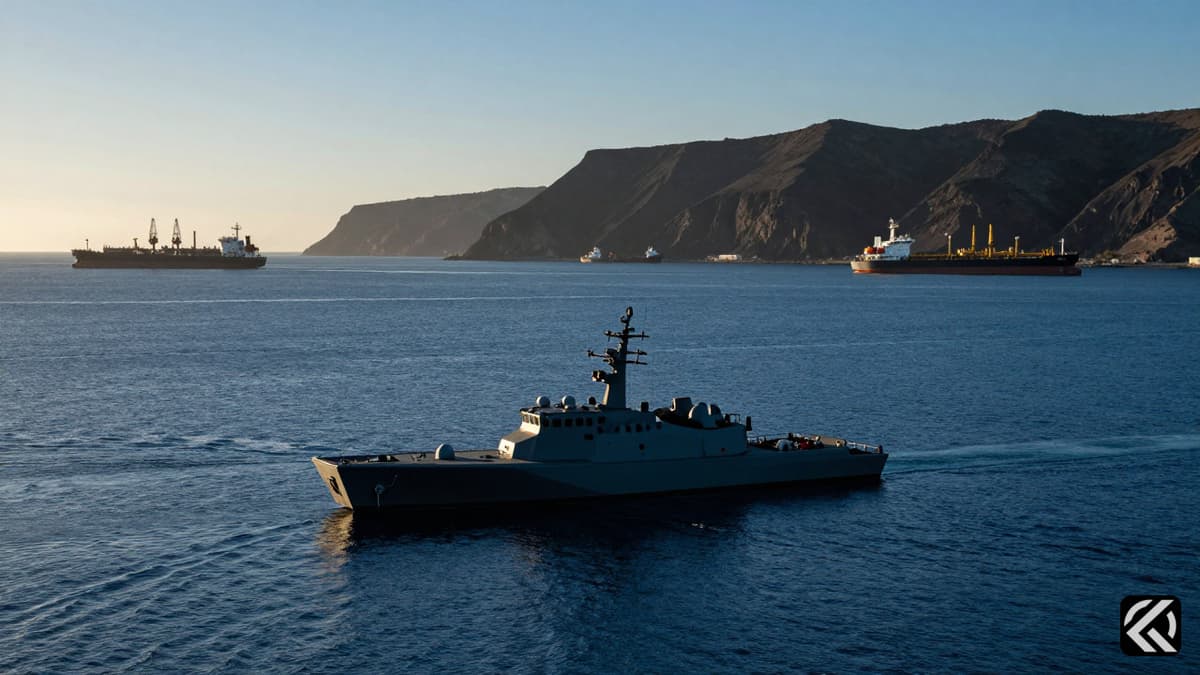
Tensions skyrocket as the U.S. military airstrikes hit Iran in response to a helicopter crash, while Tehran launches retaliatory attacks across the region.
The conflict between the United States and Iran intensified on Wednesday, June 10, 2026, after U.S. President Donald Trump blamed Tehran for shooting down a military helicopter. In response, the U.S. military airstrikes targeted Iranian air defense systems, while Iran launched retaliatory attacks across the region. This exchange of fire marks a significant escalation in a conflict that has already destabilized global economic conditions and strained diplomatic efforts to secure a lasting peace.
The immediate trigger for this new wave of violence was the crash of a U.S. Army AH-64 Apache attack helicopter near the Strait of Hormuz. While the U.S. military initially stated the aircraft went down after colliding with a drone, President Trump asserted on social media that Iran had shot down the plane during its patrol. Iran’s Foreign Minister Abbas Araghchi countered the allegation, stating that foreign forces in the region were at constant risk due to "human errors" or being caught in crossfire, and urged them to leave.
In response to the helicopter incident and what the U.S. described as recent attacks on its forces, U.S. Central Command deployed fighter jets from the Air Force and Navy. These aircraft targeted "air defence, ground control stations, and surveillance radar sites" within Iranian territory. The U.S. military characterized the operation as a "proportional response" to threats against international commercial ships and American personnel. Iranian state media acknowledged the strikes occurred near Bandar Abbas and Qeshm Island but provided no specific details on the extent of the damage inflicted.
Simultaneously, Iran launched a series of retaliatory strikes. Reports indicate that Iran attacked targets in Bahrain and Kuwait, prompting both nations to sound alerts and activate their air defense systems. Furthermore, Iran claimed it targeted an air base in Jordan that hosts U.S. forces. This claim has not been immediately acknowledged by either American or Jordanian officials, adding to the ambiguity surrounding the full scope of the retaliatory operations.
Amidst the geopolitical turmoil, a significant operational development occurred off the coast of Oman. Approximately two hours after the Apache helicopter went down, a U.S. drone boat successfully rescued the two aviators onboard. This mission marked the first known drone rescue at sea by the U.S. military. The vessel, a 24-foot Corsair manufactured by Saronic Technologies, was assigned to the Navy’s Task Force 59, an uncrewed and artificial intelligence unit focused on maritime security. U.S. Central Command spokesman Capt. Tim Hawkins confirmed that the two service members were safe and uninjured, having been transported to another location on the water before being picked up by a helicopter.
The downing of the Apache helicopter and the subsequent strikes have placed a fragile two-month ceasefire in jeopardy. This truce had been in place since early April, but tensions have remained high as Israel intensifies its military campaign against Hezbollah in Lebanon. Iranian state television reported that Israeli attacks had killed at least two members of Iran’s air-defense units on the previous day, highlighting the ongoing friction despite diplomatic efforts.
Diplomatic channels have struggled to bridge the widening gap between Washington and Tehran. Mediators, led predominantly by Pakistan, have been working for weeks to finalize a deal. However, both sides have adopted hard-line positions. The United States is demanding that Iran give up its stockpile of highly enriched uranium, which is believed to have been destroyed during American airstrikes in a 12-day war in 2025. Iran, refusing to comply, is demanding relief from sanctions and the release of frozen assets before a final agreement is reached. President Trump has previously insisted an Iran deal was imminent, expressing optimism about negotiations, though no concrete progress has been reported since the recent escalation.
The broader implications of this conflict are severe. Since the U.S. and Israel began striking Iran on February 28, 2026, the war has shaken the global economy. Energy prices have surged around the world, and the cost of basic goods, including food, has risen significantly for consumers globally. The instability in the Strait of Hormuz, a critical chokepoint for global oil shipments, continues to pose risks to international trade and security.
As Lebanon’s government attempts to take a harder line on Hezbollah, regional alliances remain fragile. Lebanon’s army chief recently visited Pakistan to meet with Field Marshal Asim Munir, a key figure in the U.S.-Iran talks. Meanwhile, Hezbollah has thanked Iran for attacking Israel, suggesting that Lebanon should improve relations with Tehran. This dynamic underscores the complex web of alliances and hostilities that complicate any potential resolution to the conflict.
The exchange of U.S. military airstrikes and Iranian retaliatory attacks signals a dangerous shift from a fragile truce to open hostility. With diplomatic negotiations stalled over uranium and sanctions, and Israel’s campaign in Lebanon continuing, the risk of a broader regional war remains high. The disruption of energy supplies through the Strait of Hormuz suggests that economic pressures will mount further, likely forcing global markets to adapt to prolonged instability and driving up costs for essential goods in the immediate future.
Jun 11, 2026 12:59 UTC
US Strike on Settebello Kills Indian Sailors Amid Strait of Hormuz Tensions
Jun 11, 2026 12:49 UTC
Air India Flight 171 Crash Sparks Debate Over Boeing 787 Dreamliner Faults
Jun 11, 2026 08:51 UTC
US-Iran Conflict: Indian Seafarers Killed in Gulf Strike
Jun 11, 2026 18:04 UTC
Healey Quits Government Over Defence Spending Dispute


