
Section
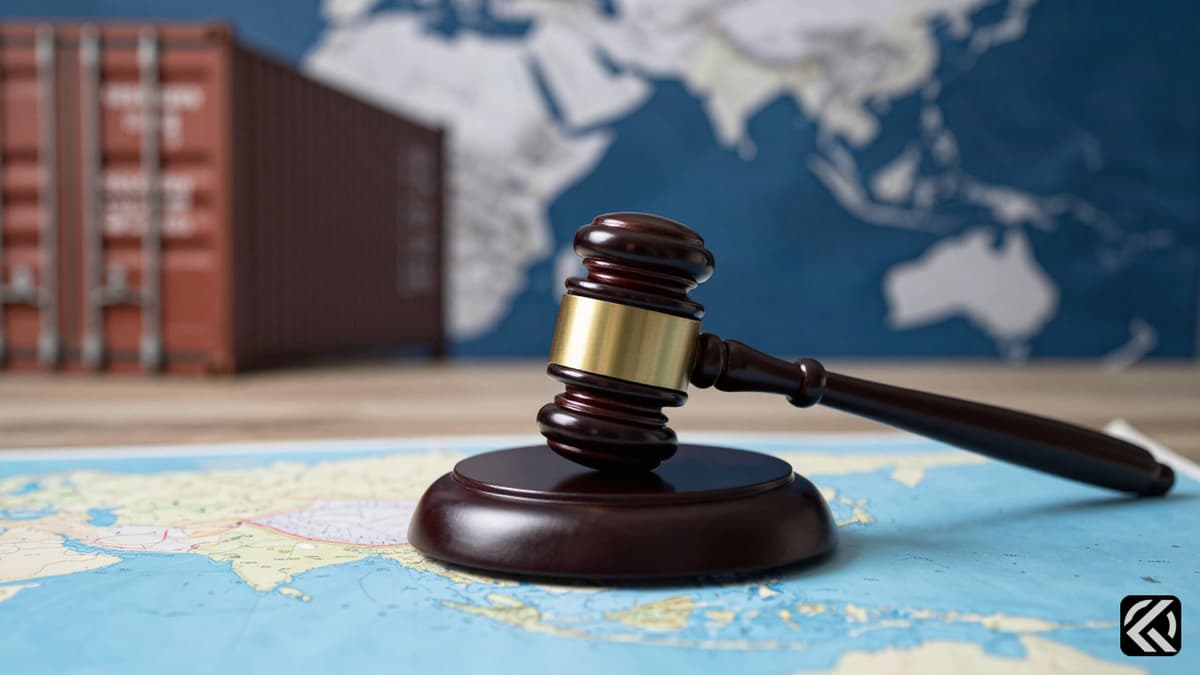
The U.S. has proposed a 12.5% tariff on imports from India and 53 other nations, citing failures to enforce forced labour prohibitions, shifting trade dynamics.
The U.S. government has formally proposed levying a 12.5% tariff on imports from 54 countries, including India, alleging that these nations have failed to effectively enforce prohibitions against goods produced using forced labour. This announcement, made by the U.S. Trade Representative (USTR), marks a significant escalation in trade tensions, positioning India alongside competitors such as China, Bangladesh, and Vietnam in a new tariff bracket. The proposal is part of a broader investigation launched in March under Section 301 of the U.S. Trade Act of 1974 to determine if trade partners are taking sufficient steps to stop the import of such goods.
In response to the announcement, the Indian government stated it "remains engaged" with the U.S. regarding this development. This diplomatic engagement occurs parallel to negotiations for an Interim Agreement on trade, which was initially announced in February 2026. A U.S. negotiating team, led by Deputy USTR Brendan Lynch, is currently in New Delhi for a three-day visit concluding on June 4 to finalize details of this agreement and advance discussions on a broader Bilateral Trade Agreement (BTA).
The timing of these tariff proposals is critical for U.S. trade policy. According to trade experts, the move serves as an alternative mechanism for the U.S. to impose tariffs after the U.S. Supreme Court struck down reciprocal tariffs in February, which had included a 50% levy on India. With the previous reciprocal framework invalidated, the administration has sought a legally sustainable method to maintain tariff levels. The 'forced labour' justification is viewed by experts as providing a comparatively stronger legal basis than the temporary 10% tariff introduced under Section 122, which had been challenged for its inconsistency with World Trade Organization norms.
USTR Jamieson Greer emphasized the administration's stance, stating, "The failure of our most important trading partners to address the importation of goods made with forced labour is unacceptable." Greer argued that this failure creates an uneven playing field for American workers and declared that the U.S. "will no longer tolerate this disparity." The USTR report specifically cited India's acts and policies as "unreasonable and burdening U.S. commerce," leading to the proposed 12.5% rate.
The impact of these forced labour tariffs on India is expected to be multidimensional, particularly affecting labour-intensive industries. Agneshwar Sen, trade policy leader at EY India, noted that exporters in sectors such as textiles, garments, carpets, leather products, and brassware could face an additional 10% levy under Section 301, compounding their existing tariff exposure. However, the proposal also includes a mechanism for textile and apparel products, allowing a certain volume of imports from selected economies to enter the U.S. at lower rates.
Sen urged India to submit detailed written representations by July 6 and participate proactively in public hearings on July 7 to challenge these conclusions. The USTR has allowed countries to request participation in these hearings by June 22 and submit written comments by July 6. This procedural window offers a critical opportunity for India to present its case and potentially mitigate the adverse effects of the proposed tariffs.
The Global Trade Research Initiative (GTRI) has characterized the tariffs as part of a broader effort to increase pressure on India. GTRI suggested that India should treat the BTA negotiations and the Section 301 investigation as separate matters. With the reciprocal tariff framework struck down, GTRI argued that the rationale for the BTA has diminished, describing the current proposal as increasingly one-sided. The think tank advised India to reassess its participation in the BTA and consider stepping away, similar to Malaysia's approach.
GTRI also warned that India should prepare for additional Section 301 tariffs in areas such as excess capacity. This suggests that the current proposal may be just one facet of a larger strategic effort by Washington to leverage trade policies for broader economic concessions. The simultaneous pursuit of an interim agreement and the imposition of tariffs highlights the complex diplomatic landscape India is navigating.
The U.S. administration has faced increasing pressure to find an alternative revenue source after the Supreme Court's ruling. Section 301 investigations provide a statutory basis for such actions, allowing the USTR to impose duties unilaterally if it determines that foreign practices are unreasonable or burdensome to U.S. commerce. The invocation of forced labour prohibitions, while framed as a moral imperative, serves a practical economic function in sustaining tariff levels that would otherwise be legally vulnerable.
India's response strategy will likely focus on both immediate procedural defenses within the Section 301 framework and long-term diplomatic negotiations. Engaging in the public hearings and submitting detailed rebuttals are immediate steps to contest the findings. Concurrently, the ongoing talks for an interim agreement and a BTA represent the broader geopolitical context in which these tariffs are situated.
The proposed tariffs signal a shift toward using human rights-related trade barriers as primary economic leverage. If India fails to successfully challenge the findings or negotiate exemptions, its export competitiveness in labour-intensive sectors will erode relative to nations with lower tariff rates. This could accelerate supply chain diversification away from India, benefiting competitors in Vietnam and Bangladesh. Conversely, a successful negotiation of the interim agreement might secure limited exemptions, preserving some market access while establishing a new precedent for how US-India trade disputes are resolved through regulatory rather than traditional tariff negotiations.
Jun 11, 2026 17:21 UTC
Bangladesh Opposition Mobilizes Against India-Bangladesh Border Push-Ins and BSF Killings
Join 50,000+ readers getting the global briefing every morning.
No spam. Unsubscribe anytime.
Jun 11, 2026 17:40 UTC
Boelter Pleads Guilty in Minnesota Political Assassinations
Jun 11, 2026 17:21 UTC
Bangladesh Opposition Mobilizes Against India-Bangladesh Border Push-Ins and BSF Killings
Jun 11, 2026 17:21 UTC
John Healey Quits as UK Defence Secretary Over Funding Dispute
Jun 11, 2026 16:19 UTC
UK Defence Secretary John Healey Quits Over Funding Dispute


