
Section
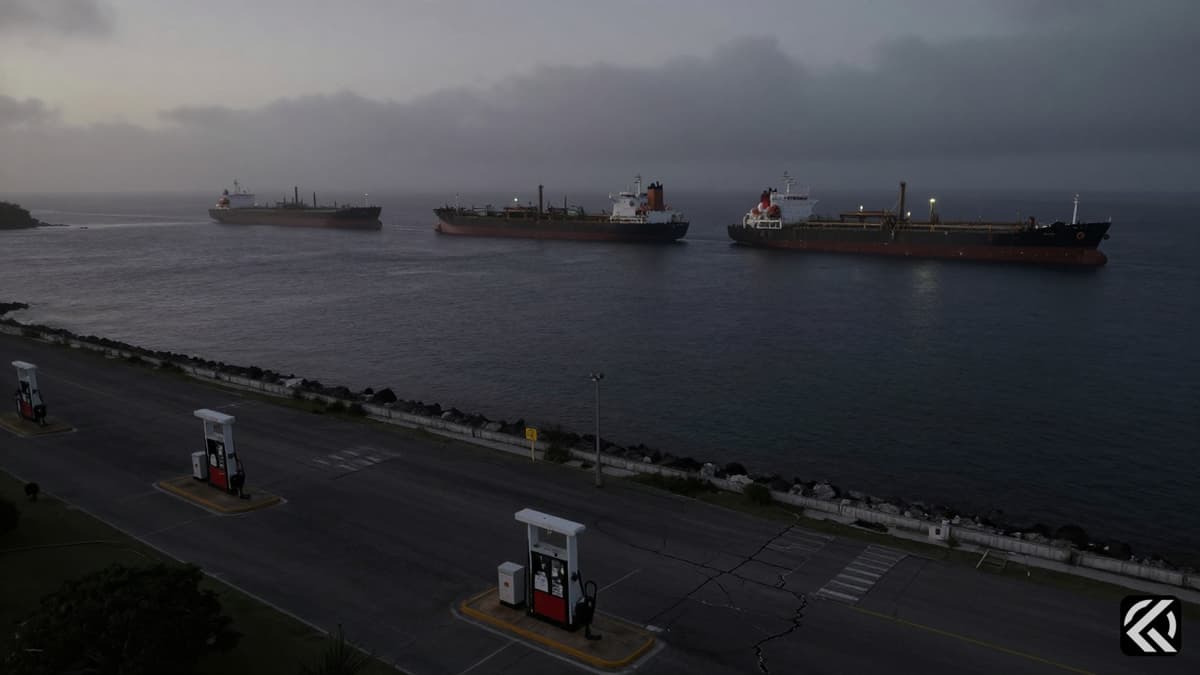
Washington escalates pressure on Havana by targeting former leader Raul Castro, deepening tensions as the island faces critical energy shortages from the US blockade.
The United States is initiating legal proceedings to indict former Cuban President Raul Castro, marking a dramatic escalation in diplomatic hostility. This move aligns with intensified economic pressure, including a comprehensive US blockade that has severely restricted fuel imports to the island.
The potential indictment focuses on charges related to the 1996 shooting down of aircraft belonging to the anti-Castro humanitarian group Brothers to the Rescue. As the Trump administration pushes for regime change following its actions in Venezuela, Havana faces a dual crisis of legal threats and energy collapse.
Several US media outlets reported on Thursday that the potential charges against the 94-year-old Raul Castro, the brother of Fidel Castro, are tied to the 1996 incident involving the downing of planes. These aircraft were flown by the Brothers to the Rescue, an anti-Castro humanitarian organization. Any formal indictment requires approval by a grand jury, indicating that the legal framework is being actively pursued by federal authorities.
The timing of these reports is significant. They surfaced just hours after a high-level US delegation, led by CIA Director John Ratcliffe, met with Cuban officials in Havana. During this meeting, Ratcliffe offered $100 million in humanitarian assistance. However, this aid was strictly conditional, requiring the Cuban government to agree to “meaningful reforms.” This diplomatic maneuver highlights the US strategy of leveraging economic relief as a tool for political leverage.
The decision to target the former leader is described as a stunning escalation in the ongoing crisis in US-Cuba relations. Diplomatic ties have deteriorated sharply since US President Donald Trump took office for his second term in 2025. Trump has repeatedly stated his intention to topple Cuba’s communist-led government. He has explicitly warned that Cuba is “next” following the US military abduction of Venezuelan leader Nicolas Maduro. This rhetorical shift signals a aggressive new phase in American foreign policy toward Latin America.
The legal pressures on Raul Castro are compounded by a severe economic siege. The Trump administration has implemented a de facto fuel blockade, halting virtually all fuel supplies to the island. This policy was initiated in January when Trump cut the flow of funds and fuel from Venezuela to Cuba. The administration has further threatened heavy tariffs against any country that provides Havana with oil.
Consequently, the nation of 11 million people has been beset by severe fuel shortages and widespread blackouts. Energy Minister Vicente de la O Levy confirmed on Thursday that Cuba has completely run out of diesel and fuel oil. This critical depletion affects not just civilian life but also the functioning of the state apparatus. The blockade is intended to exacerbate internal pressures on the communist government, aiming to force political change from within.
The efforts to bring criminal charges against senior Cuban government officials, including those allegedly involved in the 1996 plane downing, are led by the US Attorney’s Office for the Southern District of Florida. This jurisdiction has historically been active in cases involving US interests in the Caribbean. The focus on a 30-year-old incident serves to highlight long-standing grievances and establish a legal precedent for holding Cuban leaders accountable for actions taken against US citizens or groups.
While the US seeks to indict Raul Castro, the current Cuban leadership under Diaz-Canel faces immediate operational challenges. Reports indicate that Diaz-Canel is open to US aid amid worsening fuel crises and blackouts. This contradiction-officially seeking reform while potentially accepting aid-highlights the desperation of the current regime. The US blockade remains the primary driver of this instability, creating a environment where humanitarian aid becomes a bargaining chip rather than a moral obligation.
The indictment of Raul Castro and the continuation of the fuel blockade represent a coordinated effort to isolate the Cuban government. By targeting former leadership and cutting off essential resources, Washington aims to destabilize the current political structure. The offer of $100 million in aid by the CIA Director suggests that the US is prepared to use financial resources to force compliance. However, the requirement for “meaningful reforms” remains undefined, leaving the Cuban government in a precarious position.
As blackouts persist and fuel supplies remain at zero, the social and political pressure on Havana will likely intensify. The US strategy appears to rely on the assumption that economic hardship will force political concessions. Whether this approach will lead to the desired regime change or further entrench the government against foreign interference remains to be seen. The international community will likely watch closely to see if other nations succumb to US tariff threats or continue trade with Cuba.
The combination of legal actions against Raul Castro and the strict US blockade creates a volatile scenario for Cuba. The immediate future will likely see continued energy crises and domestic unrest. The Trump administration’s insistence on regime change, coupled with the removal of Venezuelan support, leaves Cuba with limited options for economic recovery. If the US does not relax the blockade or accept reform proposals, the island may face prolonged isolation. The success of this strategy depends on the Cuban government's ability to withstand both legal pressure and economic strangulation without collapsing or retaliating in ways that further isolate it from global markets.
Jun 11, 2026 17:21 UTC
Bangladesh Opposition Mobilizes Against India-Bangladesh Border Push-Ins and BSF Killings
Join 50,000+ readers getting the global briefing every morning.
No spam. Unsubscribe anytime.
Jun 11, 2026 17:40 UTC
Boelter Pleads Guilty in Minnesota Political Assassinations
Jun 11, 2026 17:21 UTC
Bangladesh Opposition Mobilizes Against India-Bangladesh Border Push-Ins and BSF Killings
Jun 11, 2026 17:21 UTC
John Healey Quits as UK Defence Secretary Over Funding Dispute
Jun 11, 2026 16:19 UTC
UK Defence Secretary John Healey Quits Over Funding Dispute


