
Section
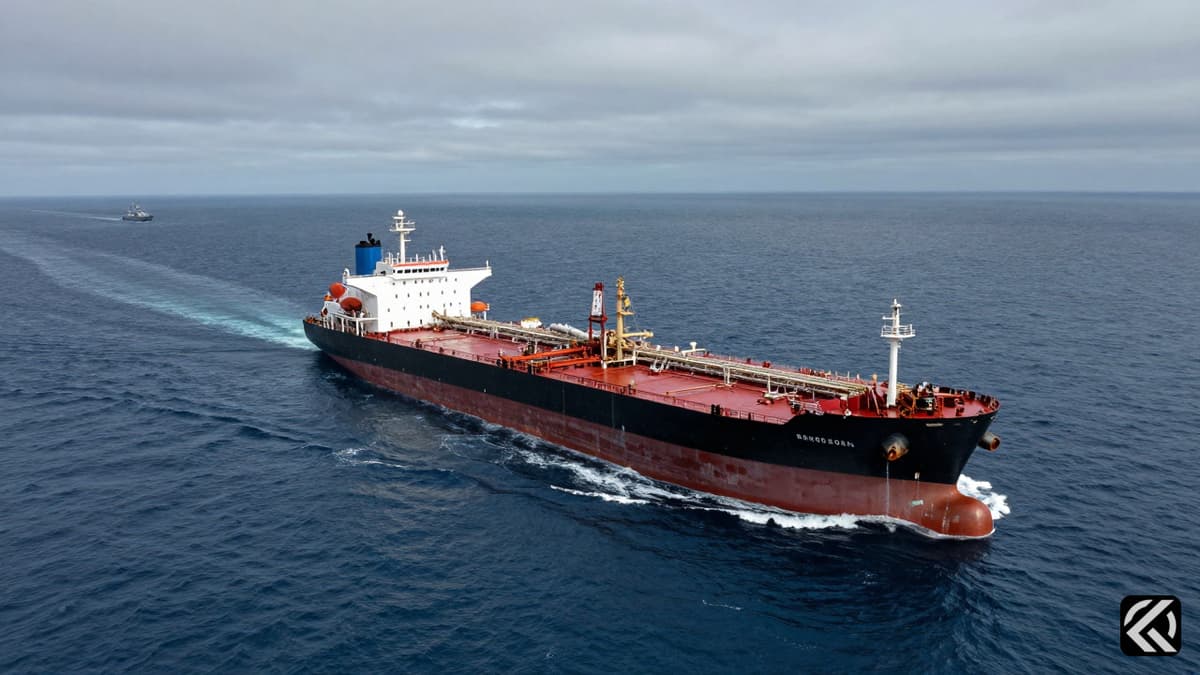
Diplomatic efforts collapse as US forces strike Iran and enforce naval blockades, raising stakes in a conflict where peace terms remain disputed and military actions intensify.
The US military has launched what it describes as "self-defense" strikes against Iran, escalating tensions as negotiations to end the months-long conflict have ground to a halt. This latest escalation marks a significant turning point in the ongoing US-Iran conflict, with military actions intensifying alongside failed diplomatic overtures.
US Central Command (Centcom) confirmed that strikes were executed on Qeshm Island, located in the Strait of Hormuz. The command stated these actions were a direct response to attempted attacks by Iran across the Middle East. Specifically, Centcom reported that the strike targeted an Iranian military ground control station on the island. In the same operation, US forces shot down three attack drones launched by Iran toward civilian mariners who were transiting regional waters.
The escalation followed a night of heightened activity. Centcom noted that Iran had fired two missiles at Kuwait and three at Bahrain. However, Iranian officials claimed they had successfully attacked US bases and helicopters in a regional country using missiles and drones in retaliation. Despite these claims, Centcom stated that all missiles aimed at Kuwait and Bahrain broke apart or were intercepted. The US military also downed the three attack drones, citing the protection of civilian mariners rightfully transiting the waters.
This military surge occurs directly after ceasefire negotiations failed to advance over the weekend. The breakdown of talks has led to a more aggressive posture from Washington. Centcom released footage purportedly showing the moment a US aircraft fired a Hellfire missile into the engine room of an unladen oil tanker. The ship, a Botswana-flagged vessel named M/T Lexie, was sailing toward Iran, violating the naval blockade. Centcom reported that the crew ignored repeated warnings and failed to comply with directions from US forces over a 24-hour period.
The naval blockade, which began on April 13, has had a significant impact on maritime traffic. According to Centcom, six commercial vessels have been disabled since the blockade began, and another 122 have been redirected. The latest skirmish on Qeshm Island adds to the volatile atmosphere surrounding the Strait of Hormuz blockade, a critical chokepoint for global energy supplies.
In the diplomatic sphere, the gap between the two nations appears to be widening. US President Donald Trump recently urged critics to "sit back and relax," asserting that Iran "really wants to make a deal, and it will be a good one for the USA." This sentiment was shared after US media reported that Trump had requested edits to the terms of a potential peace agreement. The proposed changes reportedly concerned the Strait of Hormuz and the requirement for Iran to remove highly enriched uranium.
However, Tehran has rejected these narratives. Iran’s foreign ministry spokesman accused Washington of "constantly changing its views and putting forward new or contradictory demands." This accusation highlights the fragility of the remaining diplomatic channels. The lack of trust is evident in the reciprocal accusations of aggression and the failure to reach a mutual understanding on key issues.
US Secretary of State Marco Rubio made his first public appearance before Congress since the start of the war, providing clarity on the administration’s stance. He emphasized that any future engagement would be strictly conditional. "Right now, everything that's been discussed with them is that … any sanctions relief is condition-based," Rubio stated. He explained that relief must be in return for the reasons sanctions were originally imposed, specifically Iran's nuclear program.
The situation on the ground remains precarious. The Qeshm Island strike serves as a clear signal of US readiness to use force to protect its interests and allies in the region. As diplomatic efforts stall, the military dimension of the conflict continues to expand. The disablement of commercial vessels and the interception of missiles indicate a high-stakes environment where miscalculation could lead to further regional destabilization.
Looking ahead, the persistence of the blockade and the failure of talks suggest a prolonged period of tension. If Iran continues to issue contradictory demands or if the US maintains its hardline stance on nuclear dismantling, the likelihood of a negotiated settlement decreases. The military engagements, such as the shooting down of drones and missiles, indicate that both sides are actively preparing for further confrontations. The international community watches closely as the Strait of Hormuz blockade impacts global shipping, with the potential for broader economic and geopolitical consequences if the conflict escalates further.
Jun 11, 2026 17:21 UTC
Bangladesh Opposition Mobilizes Against India-Bangladesh Border Push-Ins and BSF Killings
Join 50,000+ readers getting the global briefing every morning.
No spam. Unsubscribe anytime.
Jun 11, 2026 17:40 UTC
Boelter Pleads Guilty in Minnesota Political Assassinations
Jun 11, 2026 17:21 UTC
Bangladesh Opposition Mobilizes Against India-Bangladesh Border Push-Ins and BSF Killings
Jun 11, 2026 17:21 UTC
John Healey Quits as UK Defence Secretary Over Funding Dispute
Jun 11, 2026 16:19 UTC
UK Defence Secretary John Healey Quits Over Funding Dispute


