
Section
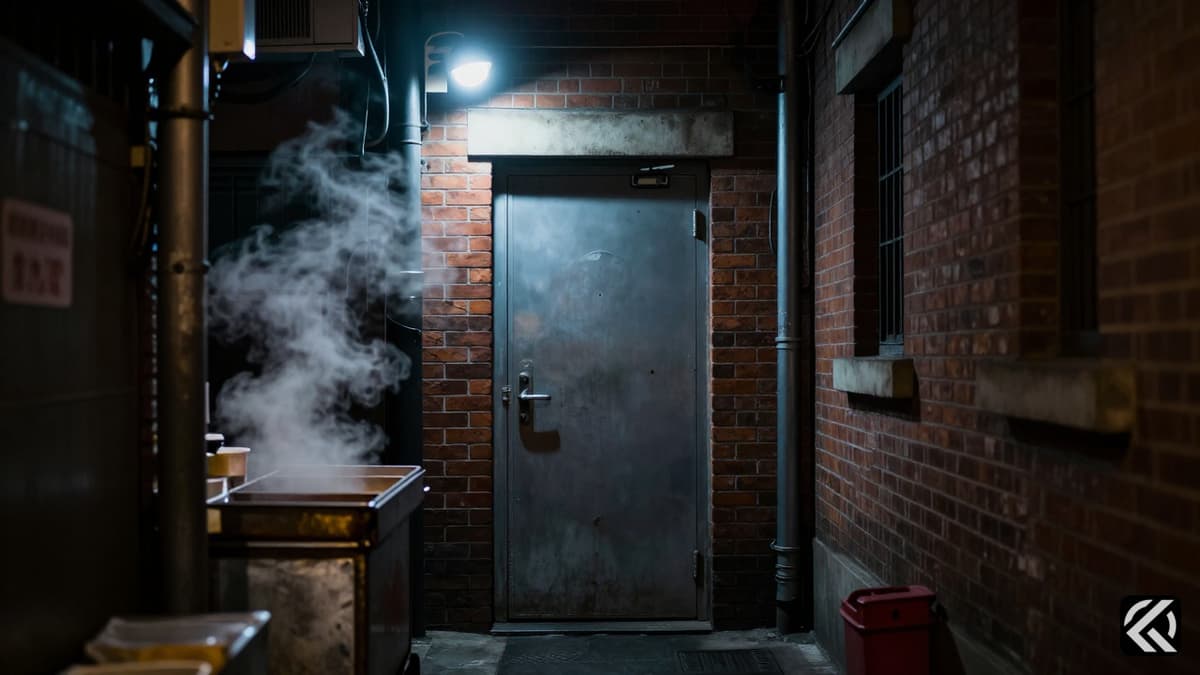
A US man has been convicted in Manhattan for operating a secret outpost for Beijing, marking a significant escalation in Washington’s scrutiny of foreign influence operations.
In a landmark conviction that highlights growing tensions over foreign influence on US soil, a US citizen was found guilty of helping to run what authorities described as the first known secret police station in the United States. The conviction of Lu Jianwang, a 64-year-old New York resident, marks a significant legal milestone in the federal government's ongoing efforts to dismantle clandestine operations linked to Beijing.
The jury determined that Jianwang, also known by his English name Harry Lu, opened and operated the station within Manhattan’s Chinatown neighborhood in early 2022. This facility was established to serve the interests of China’s Ministry of Public Security (MPS), according to court findings. The operation was not merely a social club or cultural center, but a structured outpost designed to monitor and influence Chinese nationals living abroad, specifically those who might oppose the Chinese government's political agenda.
Jianwang was found guilty on two primary charges: acting as an illegal agent of the government of China and obstruction of justice for destroying related evidence. The charges stem from his alleged role in managing the physical and operational aspects of the secret outpost. By destroying evidence, Jianwang attempted to thwart federal investigators, a move that ultimately contributed to his conviction. His actions were part of a broader network that rights groups have accused of threatening Chinese dissidents and identifying pro-democracy activists across the country.
The conviction comes at a precarious time for diplomatic relations and domestic security perceptions. Just this week, the case was making headlines alongside the resignation of a California mayor who was charged with acting as an illegal agent of China. This temporal proximity suggests a coordinated judicial and political pushback against perceived Chinese espionage and influence operations in American cities. While the resignation highlights political fallout, Jianwang’s conviction represents a concrete legal precedent for prosecuting individuals involved in such networks on US soil.
Jianwang faces a severe penalty, with prosecutors indicating he could receive up to 30 years in prison. The gravity of the sentence reflects the seriousness with which US authorities view the establishment of extraterritorial enforcement mechanisms within American borders. The station itself was located in a conspicuous yet concealed manner, occupying an entire floor above a ramen stall in New York City. This location allowed for the cover of everyday business while facilitating covert activities away from public scrutiny.
The existence of such stations is not isolated to New York. At least 100 such outposts have been reported across 53 countries, according to rights groups. These locations have been accused of using fear and intimidation to monitor Chinese nationals abroad. The operational model involves identifying individuals who criticize Beijing, thereby extending the reach of the Chinese government’s political control into democratic nations. The New York station served as a key node in this global network, targeting PRC dissidents in furtherance of the regime’s political goals.
James C Barnacle Jr, the FBI’s assistant director in charge of this case, emphasized the intent behind the operation. "Lu Jianwang used a police station in New York City to target PRC dissidents in furtherance of the Chinese government's political agenda," Barnacle stated. This official assessment underscores the federal view that the site was not a benign service center but a tool of political repression. The FBI’s investigation led to the station’s shutdown in the autumn of 2022, bringing the specific operation in Manhattan to an end, but not the broader pattern of activity.
The case also involves a co-defendant, Chen Jinping, who pleaded guilty in December 2024 to conspiring to act as an agent of the People’s Republic of China (PRC). Jinping’s plea deal indicates a willingness to cooperate with authorities in exchange for a potentially reduced sentence, leaving him awaiting sentencing. His guilty plea corroborates the narrative of a structured conspiracy to operate the illegal agent network, providing crucial context for the jury’s decision regarding Jianwang’s guilt.
Beijing has consistently denied that these outposts function as police stations. The Chinese government claims they are "service stations" providing administrative services to nationals overseas, such as pandemic assistance and driver's licence renewals. However, the destruction of evidence and the targeting of dissidents, as highlighted in the indictment, contradict the benign narrative provided by Chinese officials. The distinction between service and surveillance is central to the legal battle, with prosecutors arguing that the operational reality exceeded mere administrative support.
The shutdown of the Chinatown station in late 2022 was a direct result of the FBI’s investigation. By removing the physical footprint of the operation, law enforcement disrupted a specific link in the chain of extraterritorial enforcement. However, the conviction of Jianwang ensures that the legal repercussions will linger, serving as a deterrent to others who might consider establishing similar outposts. The 30-year maximum sentence signals a tough stance on foreign agent activities, regardless of the operational duration or the specific harm caused at the time of discovery.
The conviction of Lu Jianwang and the collapse of the Manhattan outpost signal a turning point in how US authorities handle foreign intelligence activities within domestic communities. While Beijing maintains these are service centers, the legal framework established here clarifies that monitoring dissidents crosses the line into illegal agent activity. As global scrutiny intensifies, expect increased cooperation between federal agencies and local communities to identify and dismantle similar networks. This precedent may lead to stricter enforcement of foreign agent registration laws and greater vigilance in areas with high concentrations of overseas nationals, fundamentally altering the operational landscape for state-linked entities in the United States.
Jun 11, 2026 17:21 UTC
Bangladesh Opposition Mobilizes Against India-Bangladesh Border Push-Ins and BSF Killings
Join 50,000+ readers getting the global briefing every morning.
No spam. Unsubscribe anytime.
Jun 11, 2026 17:40 UTC
Boelter Pleads Guilty in Minnesota Political Assassinations
Jun 11, 2026 17:21 UTC
Bangladesh Opposition Mobilizes Against India-Bangladesh Border Push-Ins and BSF Killings
Jun 11, 2026 17:21 UTC
John Healey Quits as UK Defence Secretary Over Funding Dispute
Jun 11, 2026 16:19 UTC
UK Defence Secretary John Healey Quits Over Funding Dispute


