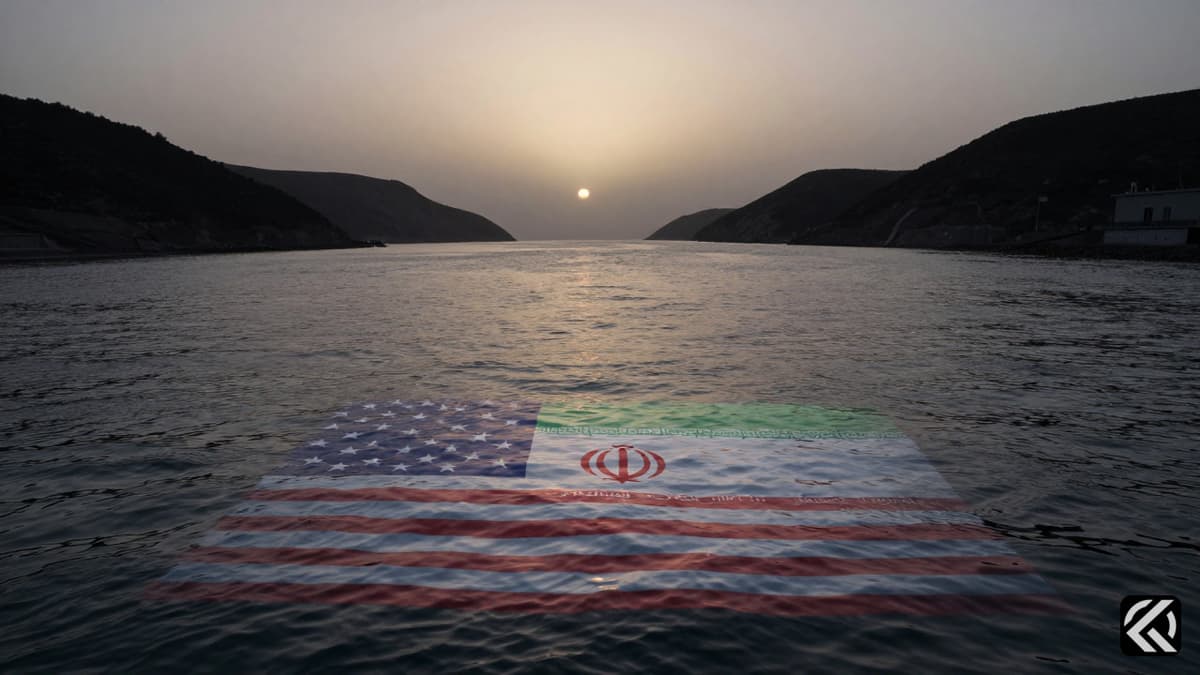
Negotiators from the U.S. and Iran are set to meet in Islamabad as tensions rise over the Israel-Hezbollah conflict and potential disruptions to the Strait of Hormuz.
Negotiators from Iran and the United States are poised for critical high-level discussions beginning Saturday in Islamabad. These U.S.-Iran negotiations aim to stabilize a fragile ceasefire while the region grapples with the escalating Israel-Hezbollah conflict and Tehran's strategic leverage over global shipping lanes.
The talks come as the situation remains precarious, with the two nations seeking to steady the diplomatic waters. U.S. Vice President J.D. Vance was scheduled to depart from Washington, signaling the American commitment to these crucial dialogue efforts. Meanwhile, Iran has maintained a strict silence regarding its own negotiation team as the country attempts to exert pressure on Washington to halt ongoing Israeli military operations in Lebanon.
The backdrop for these diplomatic efforts is fraught with immediate dangers. Reports from the semiofficial Tasnim news agency, which is closely aligned with Iran's Revolutionary Guard, have issued a stark warning. According to this source, the negotiations will "remain suspended" if there is no halt to the Israeli attacks in Lebanon. This ultimatum underscores the high stakes involved, linking the success of the talks directly to the cessation of hostilities in the Lebanese theater.
The urgency of these diplomatic maneuvers is amplified by the potential disruption to the Strait of Hormuz. Tehran's reported "chokehold" over this critical waterway represents a significant geopolitical leverage point that adds a layer of complexity to the negotiations. The fear of a maritime blockade or severe disruption to global energy flows hangs over the talks, making a successful agreement vital for both regional stability and international economic security.
The interplay between the ground conflict and maritime threats creates a volatile environment. As the Israel-Hezbollah conflict continues to exchange fire, the diplomatic window for de-escalation appears narrow. The U.S. effort to steer towards a ceasefire is complicated by Iran's conditions, which place the onus on stopping the military actions in Lebanon as a prerequisite for continued dialogue. This conditionality suggests that the path to a lasting agreement is contingent not just on the willingness to talk, but on tangible shifts in the military status quo.
The timeline for these events is tight, with the talks planned to start just one day after the initial preparations on Friday, April 10, 2026. The location in Islamabad serves as a neutral ground for such high-stakes discussions, attempting to facilitate a path away from direct confrontation. However, the reliance on a semiofficial media outlet to convey the terms of the potential suspension highlights the opacity surrounding the Iranian delegation's stance. This lack of formal confirmation from Tehran's official channels adds an element of uncertainty to the diplomatic landscape.
The role of Vice President Vance in this scenario underscores the seniority of the U.S. engagement. His departure from Washington to join these discussions indicates a top-level commitment to managing the crisis. The success or failure of these meetings could determine the immediate trajectory of the region, potentially either averting a broader regional war or escalating the conflict if the conditions set by Tehran are not met.
The situation reflects a critical juncture where diplomatic channels are being tested against the reality of military escalation. The potential suspension of talks serves as a potent reminder of the fragility of peace efforts in the region. As the world watches the developments in Islamabad, the focus remains on whether the pressure from Tehran can translate into a tangible pause in the fighting that would allow for a stable resolution.
The coming days in Islamabad will be pivotal in determining the longevity of the ceasefire and the stability of the Middle East. If the condition to halt Israeli attacks is not met, the immediate risk is a total collapse of the U.S.-Iran negotiations, leaving the Strait of Hormuz as a focal point for further escalation. The potential for the talks to be suspended, as warned by the Revolutionary Guard-aligned media, suggests that any perceived inaction on the part of the U.S. regarding the Israel-Hezbollah conflict could lead to a hardening of Tehran's position. This could result in sustained pressure on the waterway, with profound implications for global energy markets and regional security. The trajectory of the conflict now hangs in the balance, dependent on the immediate responsiveness of the parties involved to the conditions set by Iran.
Jun 8, 2026 00:51 UTC
Trump Claims Iran Nuclear Deal Imminent Despite Diplomatic Fractures
Jun 8, 2026 00:47 UTC
Iran Fires Missiles at Israel After Beirut Strike
Jun 7, 2026 22:00 UTC
US, Iran Peace Hops Fade 100 Days Into War
Jun 7, 2026 20:57 UTC
Iran Strikes Israel: IRGC Promises Week of Continuous Offensive
Jun 8, 2026 02:28 UTC
Trump Walks Out of Meet the Press After Rejecting Evidence Demands


