The Supreme Court is set to review a legal challenge regarding the freezing of voter lists for the upcoming West Bengal Assembly elections, a decision that impacts the democratic process just days before the polls.
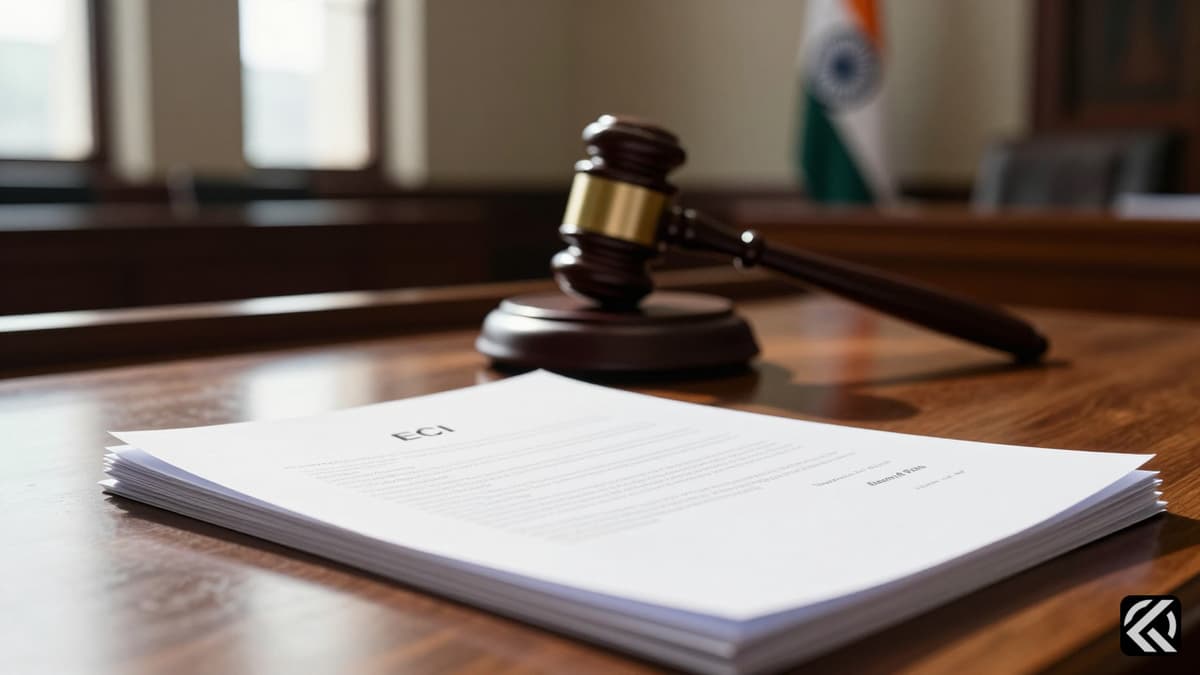
The Supreme Court of India on Friday, April 10, 2026, confirmed it will hear a fresh legal challenge regarding the electoral process in the eastern state. The high court has agreed to hear this plea, alongside several pending ones, on April 13. The core of the legal battle concerns the Election Commission of India's (ECI) decision to freeze the electoral rolls. This administrative action was taken specifically in preparation for the upcoming West Bengal Assembly polls.
The trigger for this judicial review occurred on April 9, when the poll panel executed a significant administrative move. The Election Commission froze and finalized the electoral rolls for the specific Assembly seats scheduled to go to polls in the first stage of the election. By the time the Supreme Court scheduled the hearing for April 13, the rolls were already finalized, creating an immediate legal question regarding the validity of the freeze. The court's decision to accept the fresh plea indicates a judicial examination of the commission's procedures and their implications for the electorate just days before the voting is set to begin.
The legal proceedings will focus on the validity of the freeze action taken by the ECI. With the electoral rolls now frozen, the status of voter eligibility for the upcoming election stage has become a central point of contention. The Supreme Court's involvement suggests a thorough review of how these finalizations were conducted. The court will likely examine whether the freezing of these rolls complies with constitutional mandates and electoral laws, especially given the timing of the order. The hearing on April 13 will address these concerns, aiming to clarify the legal standing of the finalized lists before the actual casting of votes takes place.
The synchronization of the ECI's announcement and the Supreme Court's scheduling is critical for the electoral timeline. The poll panel finalized the rolls on April 9, a move that effectively locked the voter base for the first stage of the election. However, the immediate filing of a challenge and the court's quick acceptance to hear the plea on April 13 highlight the urgency of the situation. The Supreme Court is considering the plea alongside others that have been pending since the announcement. This suggests that the judicial body is looking at a broader set of arguments surrounding the electoral integrity and the specific implementation of the freeze in West Bengal. The proceedings will determine if any modifications or reversals to the freeze are necessary before the Supreme Court mandates a path forward for the election commission.
The implications of this freeze are far-reaching for the electorate and the political landscape. By finalizing the rolls, the ECI has established a definitive list of eligible voters for the first stage. Any legal finding that this freeze was premature or procedurally flawed could necessitate a restart or a correction of the rolls, potentially delaying the election or altering the voter base. Conversely, if the court upholds the freeze, the current list will stand as the final authority for the upcoming polls. This legal intervention serves as a crucial check on the executive power of the election commission, ensuring that the electoral rolls reflect the democratic will accurately and without procedural error.
The outcome of the April 13 hearing will likely set a precedent for how future electoral roll freeze notices are handled. With the West Bengal Assembly polls imminent, the court's decision will directly impact the conduct of the election. The judicial scrutiny ensures that the finalization of these documents adheres to the highest standards of fairness and legality. As the case proceeds, the focus remains on the balance between administrative efficiency and the constitutional right to vote, with the court poised to make a definitive ruling that will guide the election commission in the final days before the polls commence.
The Supreme Court's agreement to hear the plea regarding the frozen voter lists marks a pivotal moment in the election cycle. The court will weigh the Election Commission's finalization of the rolls against legal arguments challenging the process. The upcoming hearing is expected to provide a definitive resolution on the status of the voter lists just days before the first stage of voting. If the court finds irregularities, the electoral rolls could face revisions, ensuring the integrity of the West Bengal Assembly polls. Conversely, upholding the freeze validates the ECI's administrative timeline, securing the schedule for the elections. This judicial intervention underscores the rigorous oversight applied to the democratic process in the state.
Jun 8, 2026 02:17 UTC
Magnitude 7.8 Quake Shakes Philippines, Urging Immediate Evacuations
Jun 8, 2026 00:51 UTC
Trump Claims Iran Nuclear Deal Imminent Despite Diplomatic Fractures
Jun 8, 2026 00:47 UTC
Iran Fires Missiles at Israel After Beirut Strike
Jun 7, 2026 22:00 UTC
US, Iran Peace Hops Fade 100 Days Into War
Jun 8, 2026 04:15 UTC
Trump Urges Netanyahu to Halt Iran Strike for Peace