
Section
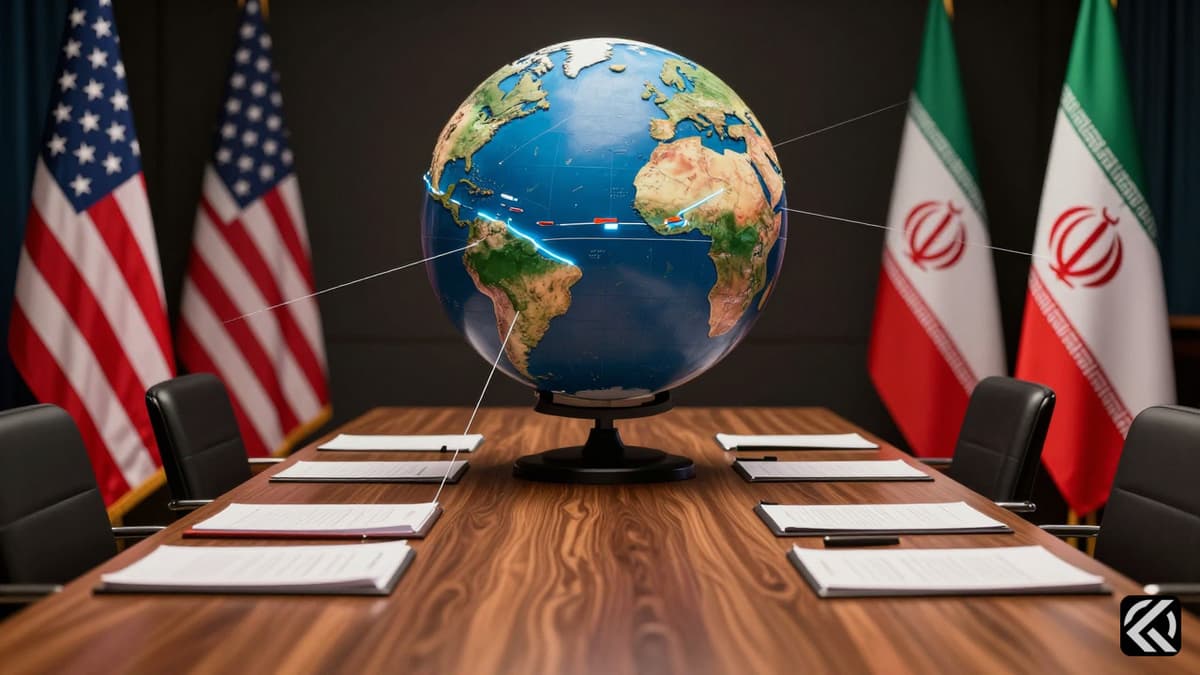
Vice-President Vance indicates the US and Iran are nearing a critical agreement on a ceasefire and nuclear terms, though final details remain uncertain.
The United States and Iran are navigating the final, complex stages of a potential US Iran ceasefire deal, with Vice-President JD Vance signaling that the two nations are "very close" to an agreement, though neither side has officially confirmed the specifics.
As negotiations intensify in Washington DC, conflicting reports from both governments underscore the fragility of the process. While US officials told the BBC that a framework had been agreed upon, pending high-level approval, Iranian state media initially described a draft but later retracted confirmation, highlighting the fluid nature of these high-stakes diplomatic talks.
Vice-President Vance addressed reporters on Thursday evening, emphasizing that while the broad strokes of a deal are taking shape, negotiators are still "going back and forth on a couple of language points." One of the most significant sticking points remains the "question of enrichment." Vance noted that the US continues to demand Iran stop producing highly enriched uranium and dispose of its existing stockpile, which theoretically could be weaponized. Despite these hurdles, Vance struck an optimistic tone, stating that the US believes the Iranian delegation is negotiating in "good faith."
The proposed agreement is reportedly designed to extend the ceasefire, which entered into effect on April 8, for an additional 60 days. This extension is viewed as crucial for allowing both sides to tackle the far more complicated technical issues surrounding Iran's Iran nuclear program. The draft framework reportedly includes provisions for Iran to have 30 days to remove mines from the Strait of Hormuz, a critical shipping lane through which one-fifth of the world's liquefied natural gas and oil normally passes. The deal also envisions "unrestricted" passage through the strait, with Iran and Oman managing vessel routing.
For the United States, the economic and strategic implications are profound. Reports indicate that the deal would see the US lift its naval blockade of Iranian ports and issue sanction waivers to allow Iran to resume selling oil. President Donald Trump had previously suggested that the US could either take the enriched uranium itself or work with Iran to dilute it in place or in a third location. However, the White House moved quickly to dismiss recent leaks, calling a purported 14-point memorandum of understanding described by Iranian media a "complete fabrication."
President Trump finds himself under mounting pressure to conclude the conflict. Gulf state allies, Democrats who oppose the war, and even some Republicans in Congress have raised concerns about the length of the hostilities. Despite this pressure, Trump has repeatedly suggested that the sides are close to a deal, yet substantive results have remained elusive until now. He has warned that "option B"-a return to combat operations-remains on the table, adding urgency to the current negotiations.
Treasury Secretary Scott Bessent, leading a White House briefing earlier in the day, refused to confirm that an agreement had been reached. "It's always a mistake to get out ahead of the president," Bessent said, asserting that the final decision rests solely with Trump. When asked if any eventual peace deal would include reconstruction for Iran, Bessent noted, "We've got to get to the deal before we get to the other side."
The publication of Axios, which first reported the tentative agreement, adds another layer of complexity to the narrative. Axios reported that Trump had been briefed on the proposal but did not immediately sign off, taking a couple of days to consider it. This delay underscores the cautious approach of the Trump administration, which is wary of overpromising before securing a binding commitment from Tehran.
Iran's semi-official Tasnim news agency reported that the deal had not been finalized or confirmed, contradicting earlier US official statements. This pattern of conflicting reports is typical in high-stakes diplomacy, where both sides may use leaks to test reactions or exert pressure. However, the current situation is particularly sensitive given the immediate physical proximity of military forces in the region and the global economic reliance on the Strait of Hormuz.
The potential impact of a successful deal cannot be overstated. An extended ceasefire and the normalization of oil trade would significantly alter global energy markets. Conversely, the collapse of these talks would likely lead to an escalation of hostilities, disrupting supply chains and increasing geopolitical tensions worldwide. The "very close" status reported by Vance suggests that the window for a diplomatic solution is open but narrow.
As the US and Iran continue to refine the language of the agreement, all eyes remain on Trump's decision. The President's choice will determine whether the region enters a new phase of stability or returns to the brink of war. The detailed work on enrichment, mine clearance, and shipping rights illustrates the intricate web of interests at play. While the framework is reportedly in place, the political will to sign it remains the final and most critical hurdle.
The proximity of a potential agreement between the US and Iran marks a pivotal moment in international relations. If finalized, the deal would not only halt hostilities but also restructure regional energy dynamics by reopening the Strait of Hormuz and lifting sanctions. However, the lingering discrepancies in reports and the complexity of nuclear verification suggest that significant challenges remain. Should the negotiations succeed, it could lead to a long-term shift in Middle Eastern geopolitics and global oil markets. Conversely, failure would likely result in intensified conflict, forcing global powers to reassess their strategic commitments in the region amid rising energy costs and instability.
Jun 11, 2026 17:21 UTC
Bangladesh Opposition Mobilizes Against India-Bangladesh Border Push-Ins and BSF Killings
Join 50,000+ readers getting the global briefing every morning.
No spam. Unsubscribe anytime.
Jun 11, 2026 17:40 UTC
Boelter Pleads Guilty in Minnesota Political Assassinations
Jun 11, 2026 17:21 UTC
Bangladesh Opposition Mobilizes Against India-Bangladesh Border Push-Ins and BSF Killings
Jun 11, 2026 17:21 UTC
John Healey Quits as UK Defence Secretary Over Funding Dispute
Jun 11, 2026 16:19 UTC
UK Defence Secretary John Healey Quits Over Funding Dispute


