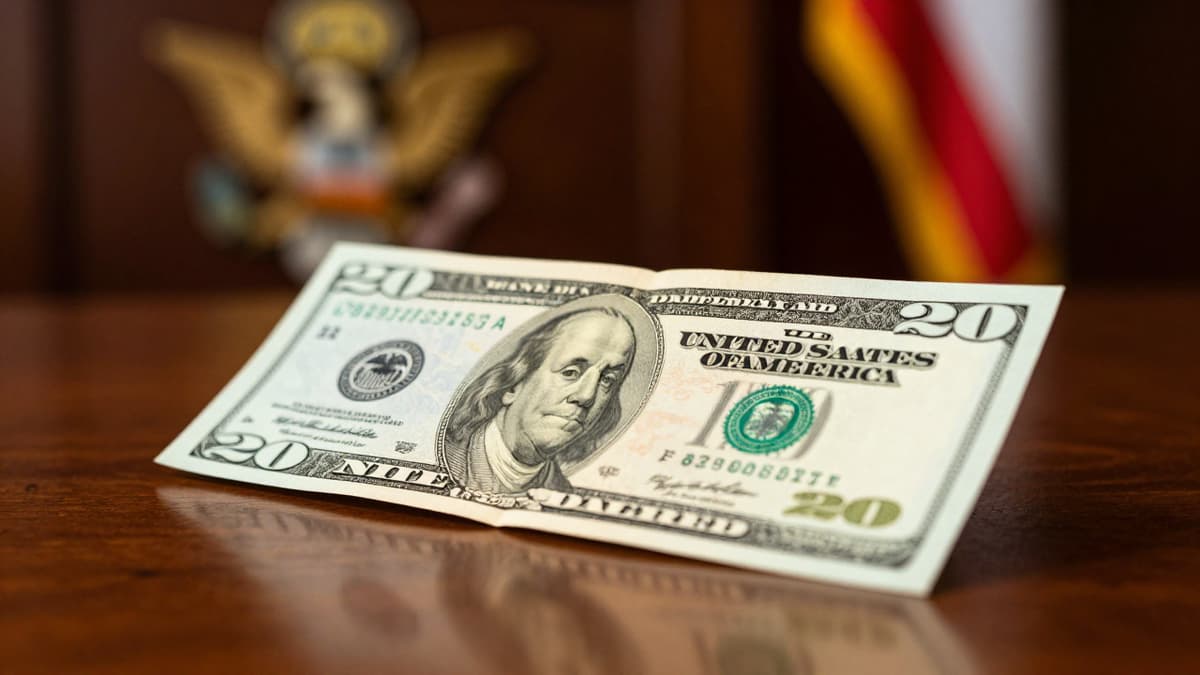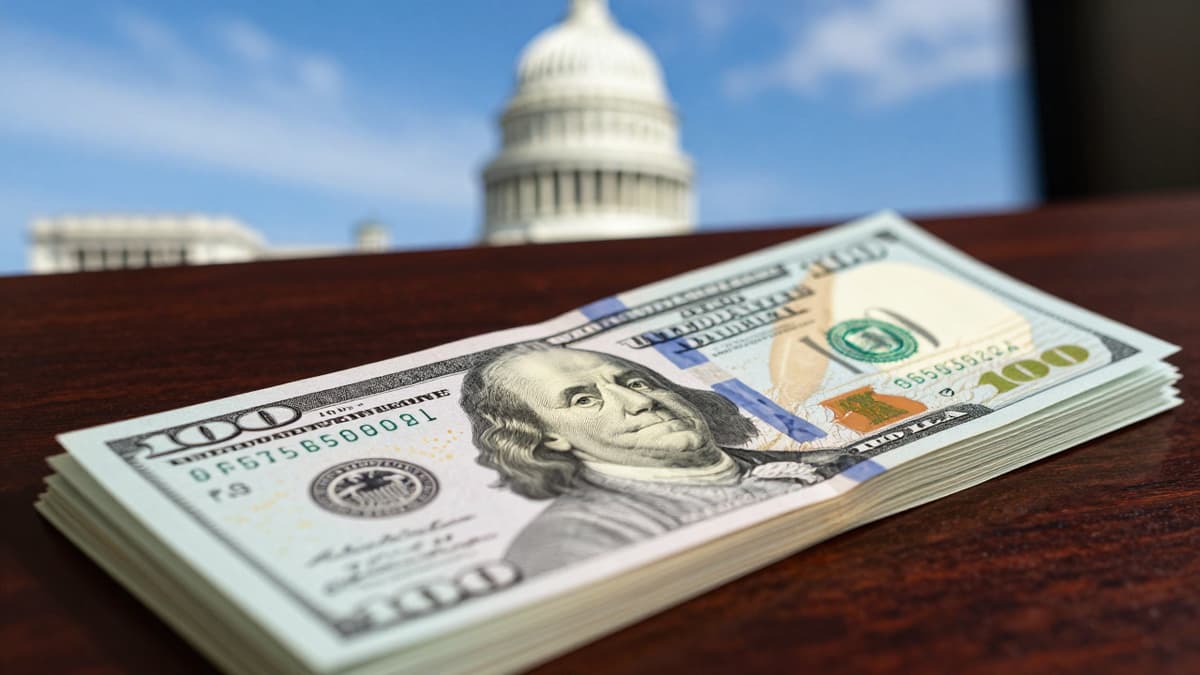
In a historic first, the US Treasury Department confirms that President Donald Trump's signature will soon appear on US currency, marking a significant departure from centuries of tradition.
The US Treasury Department has officially announced that President Donald Trump's signature will soon appear on US dollar bills, marking a historic first for a sitting president. This unprecedented move is set to go into effect as part of the government's broader efforts to commemorate the 250th anniversary of the United States.
Treasury Secretary Scott Bessent stated that the initiative is designed to honor the nation's achievements, asserting that bearing the president's name on the currency is the most powerful way to recognize his historic accomplishments. The announcement came on a Thursday, with the White House and Treasury currently providing limited additional details regarding the specific timeline or denominations involved.
The inclusion of the Trump dollar bill signature represents a significant break from established numismatic history. Historically, US currency has featured the portraits of deceased former leaders or allegorical figures, with circulating notes bearing the signature of the current Secretary of the Treasury. However, under this new directive, the sitting president's signature will now grace the notes going forward, a first in the nation's two-and-a-half-century history of paper money.
Secretary Bessent emphasized the timing, noting that it is "only appropriate" that this historic currency be issued at the Semiquincentennial. The government plans to distribute Trump's likeness across a variety of other 250th anniversary materials. Earlier this month, a handpicked Commission of Fine Arts approved a large commemorative gold coin depicting the president standing with fists balled on a desk. Additionally, the commission is reviewing a proposal for a $1 coin featuring the president.
These developments have sparked immediate legal scrutiny. Current US law prohibits the display of images of sitting presidents or living former presidents on currency, mandating a two-year waiting period following a president's death before they can be featured on a coin. While sitting presidents are not prohibited from appearing on commemorative coins, the proposed $1 coin has raised questions regarding its legality. In response, Democrats in Congress have introduced legislation specifically designed to prohibit any living or sitting president from being featured on any US currency.
This currency change is the latest chapter in what the administration has described as efforts to "plaster his name throughout the government" during his second term. The administration has launched several initiatives to cement this brand identity. A website known as TrumpRx has been introduced for prescription drugs, and a Trump Gold Card has been unveiled, offering holders the right to live and work in the US and a path to citizenship for a high price.
Furthermore, the president's image is already appearing on some National Park annual visitor passes. His name has also been installed on the building and signage around the US Institute of Peace. The scope of this branding extends to cultural institutions as well; Trump's handpicked board of trustees at the Kennedy Center added his name to the performing arts center. This decision prompted a significant backlash, causing a slew of artists to pull out of performances. The center is now slated to close for two years for renovations, a move that may further alter the cultural landscape of the capital.
While the Treasury Department frames the new currency as a celebration of the country's history, the reaction highlights a deepening divide over the role of the presidency in national iconography. The push to feature the current leader on the nation's money, alongside other controversial administrative changes, signals a potential reshaping of how federal institutions and symbols are utilized. As the rollout of the new bills proceeds, the debate over the legality and appropriateness of these measures is likely to intensify in Congress and the courts.
The US Treasury faces a pivotal moment as the administration's aggressive expansion of presidential branding collides with established legal frameworks. The introduction of the Trump dollar bill and the proposed commemorative coins has already triggered a legislative response, with Democrats seeking to codify prohibitions against featuring living leaders on currency. If these efforts are upheld, the legacy of the Semiquincentennial coinage could be subject to court challenges. However, if the administration's momentum continues unchecked, it is highly probable that other federal symbols, including national parks and institutes, may see further integration of the president's name and likeness, potentially reshaping the visual identity of the federal government for years to come.
Jun 8, 2026 02:17 UTC
Magnitude 7.8 Quake Shakes Philippines, Urging Immediate Evacuations
Join 50,000+ readers getting the global briefing every morning.
No spam. Unsubscribe anytime.
Jun 8, 2026 02:17 UTC
Magnitude 7.8 Quake Shakes Philippines, Urging Immediate Evacuations
Jun 8, 2026 00:51 UTC
Trump Claims Iran Nuclear Deal Imminent Despite Diplomatic Fractures
Jun 8, 2026 00:47 UTC
Iran Fires Missiles at Israel After Beirut Strike
Jun 7, 2026 22:38 UTC
Congress Party Claims Unity for INDIA Bloc Delhi Meeting