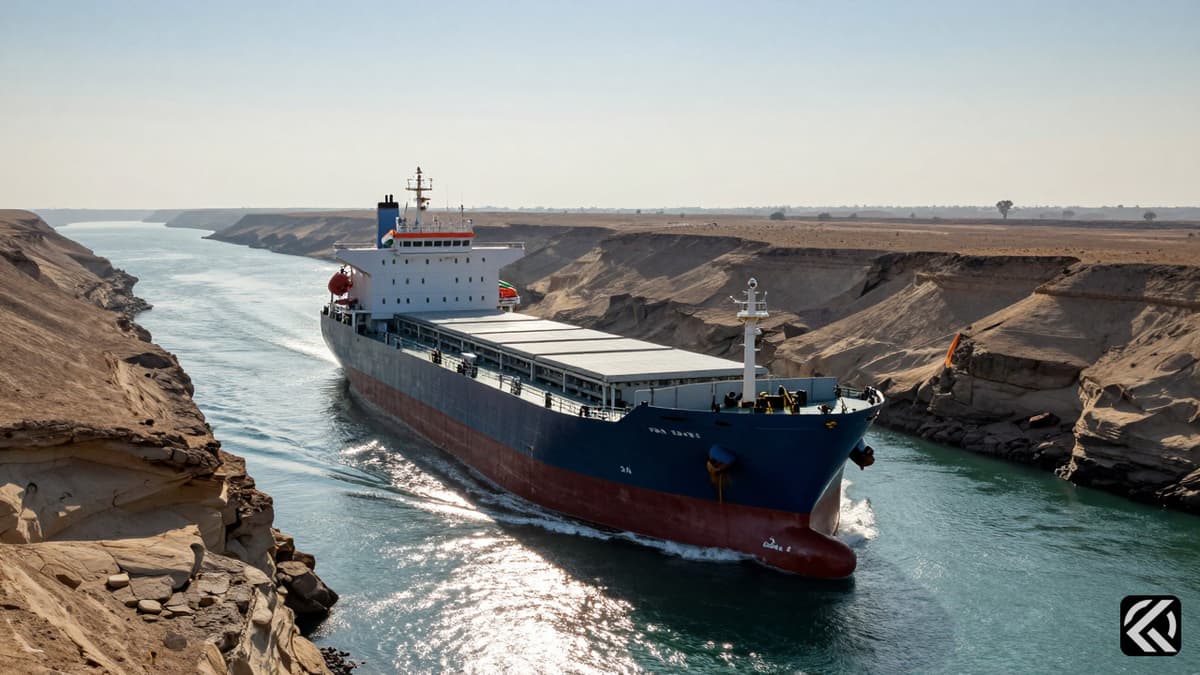
Tensions in West Asia disrupt maritime trade as a historic shipment crosses, yet a fleet of Indian ships remains stranded waiting for transit orders.
A seventh India-flagged vessel, the Green Sanvi, successfully traversed the Strait of Hormuz on Friday, marking a significant development for Indian maritime logistics. This event occurs as six other vessels carrying LPG have already reached Indian ports since the conflict in West Asia began.
Despite this progress, the operational outlook remains precarious for the majority of the Indian fleet. Currently, 17 Indian ships remain stranded west of the strategic waterway. This queue includes two specific vessels, Green Asha and Jag Vikram, both loaded with LPG, which are expected to head to India soon. These vessels were previously reported drifting northeast of Abu Musa Island in the Persian Gulf, following specific instructions from the Indian Navy while awaiting further transit orders.
In the broader context of global energy logistics, commercial dynamics are shifting rapidly alongside geopolitical tensions. A foreign vessel, ostensibly transporting Iranian oil intended for India, has altered its course mid-voyage to head toward China instead. According to Sumit Ritolia, a lead analyst at the global analytics firm Kpler, such destination changes are not unprecedented for Iranian crude but highlight the increasing sensitivity of trade flows to financial terms and counterparty risk. Ritolia notes that the shift appears to be payment-related, with sellers tightening terms and moving away from the earlier 30-to-60-day credit window toward upfront or near-term settlement structures.
Experts suggest that if payment issues are resolved, the cargo could still potentially make its way to an Indian refinery, underscoring how commercial terms are becoming as critical as logistics in determining the destination of Iranian crude flowing to countries other than China.
Data from MarineTraffic indicates that the Ping Shun, an Eswatini-flagged crude tanker, had previously signaled a destination of the Vadinar facility at Deendayal Port in Gujarat, India. The vessel was carrying approximately six lakh barrels of crude. However, the ship's automatic identification transponder now signals Dongying in China as its new destination. It remains unconfirmed whether this signaled destination is final or if it will change again during transit. Had the tanker reached Vadinar, it would have marked the first shipment of Iranian crude to India in six years.
The current situation highlights a complex interplay between naval safety directives and commercial viability. While the Indian Navy is actively managing the safe passage of vessels through the conflict zone, the economic incentives driving trade are undergoing a fundamental recalibration. The decision by the foreign vessel to divert to China suggests that market participants are prioritizing immediate payment security over long-term credit arrangements that might be more favorable but carry higher perceived risk in the current climate.
This shift away from the traditional credit window implies that traders and refineries must adapt quickly to a landscape where liquidity and settlement speed are paramount. The fact that this specific vessel, the Ping Shun, altered its course after signaling India suggests that the decision-making process is highly dynamic and reactive to real-time developments in the financial and geopolitical spheres.
The successful passage of the Green Sanvi offers a glimmer of hope for the stranded fleet, yet the sheer number of waiting vessels indicates that the bottleneck remains significant. The strategic importance of the Strait of Hormuz is reaffirmed, not just as a geopolitical flashpoint, but as a critical economic artery where logistical success is inextricably linked to financial stability. As the crisis continues, the ability of India to secure its energy imports will likely depend as much on resolving payment friction as on navigating the physical waters of the Persian Gulf.
While the Green Sanvi's passage provides a critical update, the lingering presence of 17 Indian ships and the diversion of Iranian crude shipments to China signal a prolonged disruption in established trade patterns. The tightening of financial terms by sellers suggests that future flows of Iranian crude to non-Chinese markets may remain constrained unless settlement mechanisms are modernized to address immediate counterparty risks. Consequently, energy import strategies for India and other nations may need to evolve, placing a greater premium on rapid transactional security alongside traditional logistical planning in an increasingly volatile global market.
Jun 8, 2026 02:17 UTC
Magnitude 7.8 Quake Shakes Philippines, Urging Immediate Evacuations
Join 50,000+ readers getting the global briefing every morning.
No spam. Unsubscribe anytime.
Jun 8, 2026 02:17 UTC
Magnitude 7.8 Quake Shakes Philippines, Urging Immediate Evacuations
Jun 8, 2026 00:51 UTC
Trump Claims Iran Nuclear Deal Imminent Despite Diplomatic Fractures
Jun 8, 2026 00:47 UTC
Iran Fires Missiles at Israel After Beirut Strike
Jun 7, 2026 22:38 UTC
Congress Party Claims Unity for INDIA Bloc Delhi Meeting


