Section
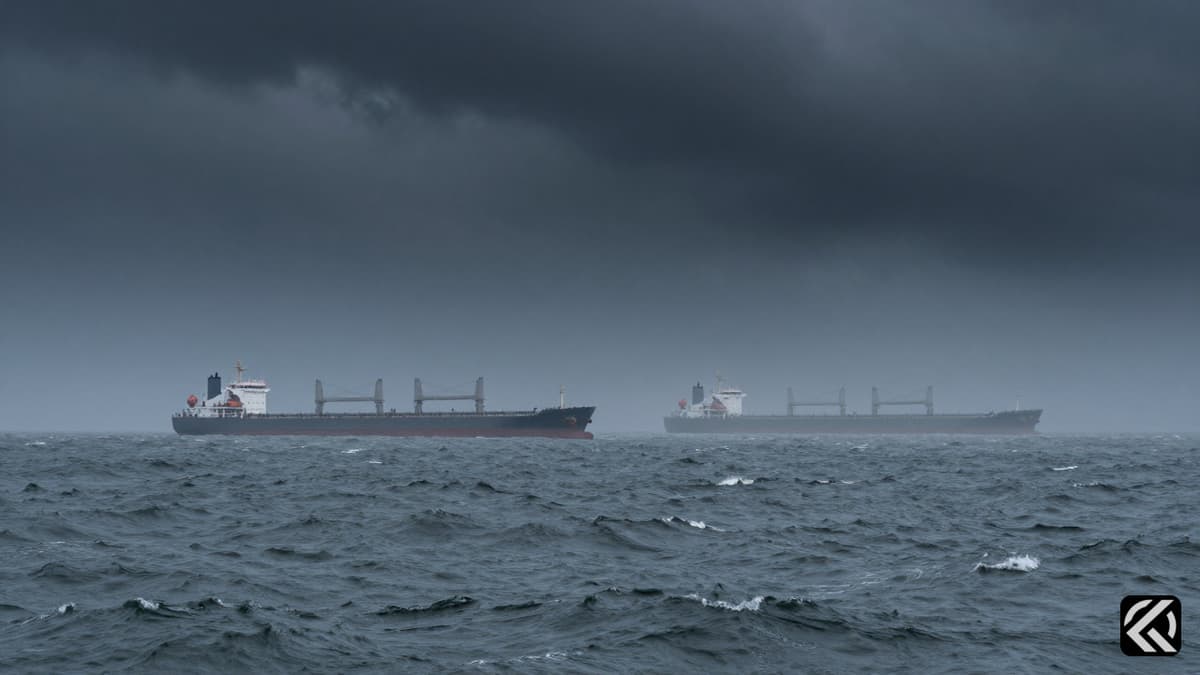
Ukraine targets suspected grain theft vessels in the Black Sea region while confirming a separate drone incident near Romania, as diplomatic efforts for peace stall.
The strikes were detailed by Robert Brovdi, Ukraine’s drone commander, who stated that the five "illegally loitering vessels" were attacked overnight. Brovdi emphasized that the ships’ identities were concealed and their detection systems disabled specifically to facilitate the smuggling of grain and military fuel. He did not mention any casualties resulting from these specific strikes.
The incident has raised international concerns regarding safety in the region. Azerbaijan’s foreign ministry reported that two of its cargo ships, the Natra and Zirkon, were attacked by drones in the Taganrog Bay area of the Sea of Azov overnight. Five Azerbaijani nationals were killed in these attacks. While Azerbaijan did not identify the perpetrators, Russia immediately blamed Ukraine. Kyiv has not explicitly linked its confirmed strikes to the deaths of the Azerbaijani nationals, leaving the connection unclear.
Concurrently, Ukraine confirmed that one of its naval drones exploded off the coast of Romania. The Romanian defense ministry stated the drone self-detonated near an oil terminal in the port of Constanta, causing considerable damage to a ship and warehouses but resulting in no injuries. Adrian Teodor Picoiu, Constanta’s top official, cited Ukrainian information suggesting the drone was part of a group of five, with another exploding in Ukrainian territory. Ukraine attributed the drift to Russian electronic interference, a claim Moscow has not addressed. This event follows a recent incident in Galati where a Russian drone injured two people, further straining relations between Ukraine and its NATO ally.
On the diplomatic front, President Zelensky has intensified efforts to secure a resolution. In an open letter, he urged Putin to meet face-to-face, arguing that waiting for US attention is a mistake. Zelensky proposed a full ceasefire during negotiations. The Kremlin confirmed receipt of the letter, with spokesman Dmitry Peskov indicating Putin would likely respond. President Donald Trump also voiced support, stating he wants both leaders to make compromises and urging them to "get it done."

Putin’s response, however, remained skeptical. Speaking in St Petersburg, he expressed willingness to agree but cast doubt on the possibility of a deal by questioning Zelensky’s legitimacy as a representative of Ukraine, citing the expiration of his presidential term in May 2024. This argument relies on the technicality that no new elections have been held since martial law was declared after Russia’s invasion. Putin reiterated his long-standing demands: Ukraine must withdraw from four occupied regions-Donetsk, Luhansk, Kherson, and Zaporizhzhia-and abandon its goal of joining NATO. Ukraine has firmly ruled out ceding territory, warning that it would embolden further aggression.
Meanwhile, the human cost of the conflict continues to rise. In the past day, at least 13 people were killed and over 70 injured in Ukraine due to Russian strikes. Among the dead were four people at a dairy factory outside Kyiv. Additional casualties were reported in Kherson, Kharkiv, Sumy, Zaporizhzhia, Chernihiv, and Dnipro regions. Zelensky noted that food warehouses, a postal building, and a school were among other targeted facilities.
Ceasefire negotiations have stalled for months, with previous talks in Geneva, Abu Dhabi, and Istanbul failing to produce results. The combination of continued military strikes, the drone incident involving a NATO member, and the divergent diplomatic positions of Kyiv and Moscow suggests that a near-term resolution remains elusive. The international community’s backing of Zelensky’s proposal contrasts sharply with Putin’s hardline stance, highlighting the deep divide that must be bridged for any peace to be realized.
The recent strikes in the Sea of Azov and the drone incident in Romania underscore the escalating volatility of the conflict. While Ukraine continues to target logistical assets, the involvement of neutral states like Azerbaijan and NATO member Romania increases the risk of broader regional instability. Diplomatic efforts face significant hurdles as Putin’s demands for territorial concessions remain non-negotiable for Kyiv. Without a breakthrough in the legitimacy disputes or a mutual willingness to compromise on security guarantees, the war is likely to persist with continued high-intensity operations and diplomatic friction. The international community’s support for direct talks offers a potential path forward, but the gap between the opposing positions suggests that prolonged conflict remains the most probable near-term outcome.
Jun 11, 2026 17:21 UTC
Bangladesh Opposition Mobilizes Against India-Bangladesh Border Push-Ins and BSF Killings
Join 50,000+ readers getting the global briefing every morning.
No spam. Unsubscribe anytime.
Jun 11, 2026 17:40 UTC
Boelter Pleads Guilty in Minnesota Political Assassinations
Jun 11, 2026 17:21 UTC
Bangladesh Opposition Mobilizes Against India-Bangladesh Border Push-Ins and BSF Killings
Jun 11, 2026 17:21 UTC
John Healey Quits as UK Defence Secretary Over Funding Dispute
Jun 11, 2026 16:19 UTC
UK Defence Secretary John Healey Quits Over Funding Dispute