Section
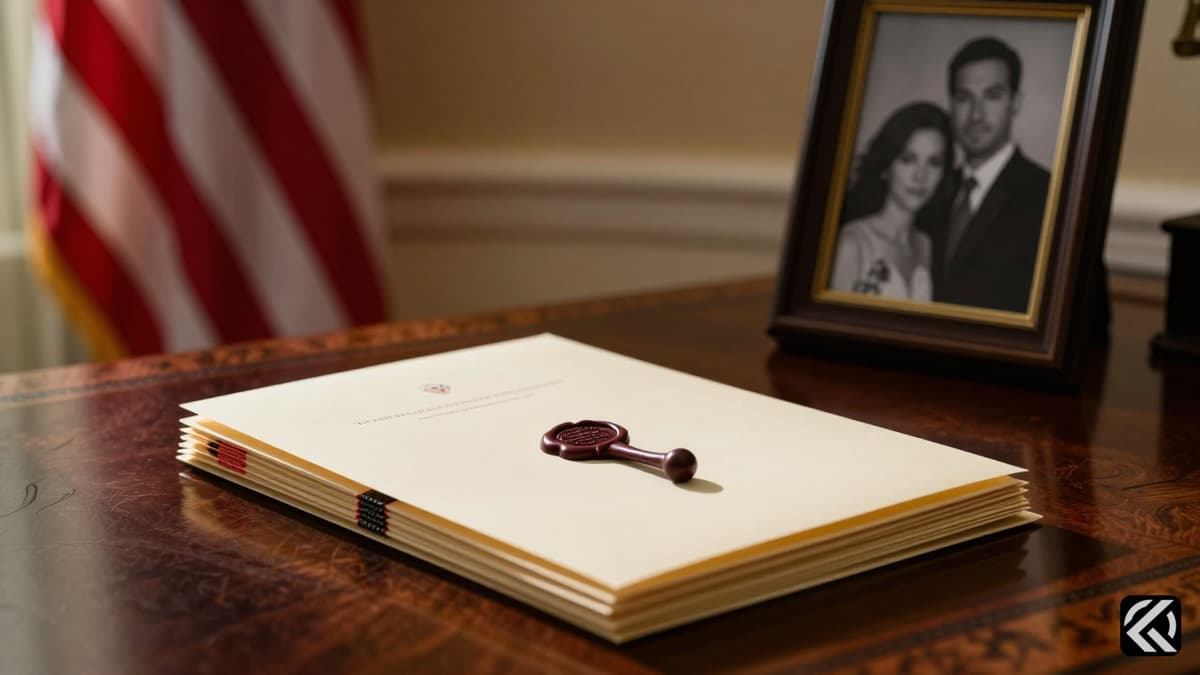
Director of National Intelligence Tulsi Gabbard announces her resignation from the Trump administration, citing her husband's recent bone cancer diagnosis as the primary reason for her departure.
Tulsi Gabbard, the Director of National Intelligence within the Trump administration, has officially announced her resignation from her high-ranking position, citing a deeply personal family crisis. In a resignation letter obtained by CBS News, the BBC's US partner, Gabbard explained that her husband recently received a diagnosis of bone cancer, a health battle that necessitates her immediate presence and support.
"His strength and love have sustained me through every challenge," Gabbard wrote in the formal document. "I cannot in good conscience ask him to face this fight alone while I continue in this demanding and time-consuming position." This statement underscores the personal toll of her role, highlighting the difficult balance between public duty and private familial obligations. Her decision marks a significant shift in the leadership structure of US intelligence gathering during a period of heightened global tension.
President Donald Trump responded swiftly to the news via a social media post, acknowledging Gabbard's tenure and the circumstances of her exit. The President stated that Gabbard "has done an incredible job, and we will miss her." His response was accompanied by a message of support for her family's situation, noting that Gabbard "rightfully, wants to be with him, bringing him back to good health as they currently fight a tough battle together." Trump expressed confidence in her husband's recovery, adding, "I have no doubt he will soon be better than ever."
The resignation is scheduled to take effect on June 30. In anticipation of the transition, Trump announced that Aaron Lukas, the principal deputy director, will step in as acting director. This interim arrangement ensures continuity in the oversight of US intelligence operations while a permanent replacement is presumably sought, though no details regarding a successor have been provided in the current statements.

Gabbard’s appointment to this powerful role was a notable event in recent political history. A loyal supporter of Trump during his 2024 presidential campaign, she was confirmed as one of the most influential figures in US intelligence-gathering shortly after Trump returned to the White House in 2025. As the head of the intelligence community, her responsibilities included coordinating efforts among multiple intelligence agencies and advising the president directly on national security matters.
Despite holding one of the most critical positions in the federal government, Gabbard has largely remained out of the public eye over the past year. This period of reduced visibility coincided with a series of significant and aggressive foreign policy moves by the administration. The US executed military action against Iran, applied considerable diplomatic and economic pressure on Cuba, and notably removed Venezuela's president from power. These events represented a volatile era for international relations, yet Gabbard’s public presence was minimal, allowing the focus to remain on the executive actions rather than the intelligence community's day-to-day leadership.
The sudden nature of her resignation, driven by a personal health crisis rather than political disagreement or policy failure, has left questions about the long-term stability of the intelligence community's leadership. While Trump’s public praise offers a dignified exit for Gabbard, the operational implications of losing a confirmed, high-profile figure during active geopolitical conflicts are substantial. The acting director, Aaron Lukas, now bears the immediate burden of maintaining intelligence coordination during these critical months.
The departure of Tulsi Gabbard from the Trump administration introduces a period of uncertainty for US intelligence operations. With Aaron Lukas serving in an acting capacity, the lack of a permanent, confirmed director may impact the cohesion of multi-agency coordination during ongoing military and diplomatic efforts. As the US continues to navigate its post-removal of Venezuela stance and relations with Iran and Cuba, the intelligence community requires steady leadership. Gabbard’s exit, driven by health reasons, highlights the fragility of high-level political appointments and suggests that future administrations may need to prepare for rapid leadership transitions due to unforeseen personal circumstances, potentially affecting the continuity of strategic intelligence advice.
Jun 11, 2026 17:21 UTC
Bangladesh Opposition Mobilizes Against India-Bangladesh Border Push-Ins and BSF Killings
Join 50,000+ readers getting the global briefing every morning.
No spam. Unsubscribe anytime.
Jun 11, 2026 17:40 UTC
Boelter Pleads Guilty in Minnesota Political Assassinations
Jun 11, 2026 17:21 UTC
Bangladesh Opposition Mobilizes Against India-Bangladesh Border Push-Ins and BSF Killings
Jun 11, 2026 17:21 UTC
John Healey Quits as UK Defence Secretary Over Funding Dispute
Jun 11, 2026 16:19 UTC
UK Defence Secretary John Healey Quits Over Funding Dispute