
Section
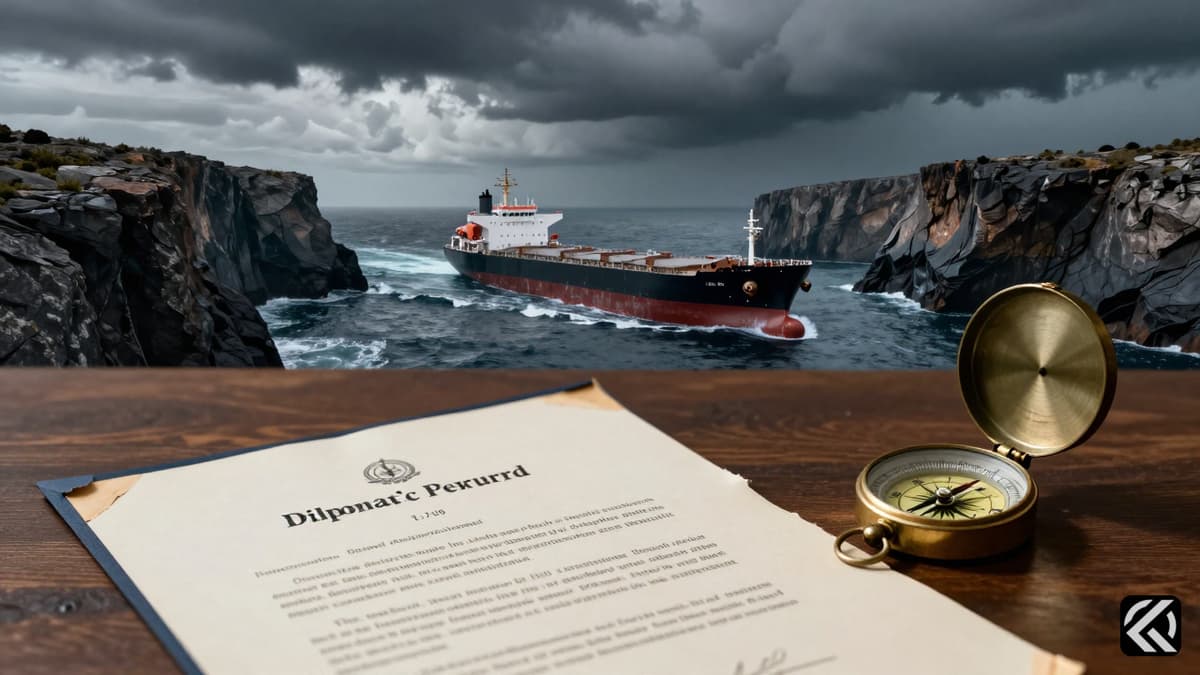
Diplomatic efforts collapse as Trump faces bad options. The fragile ceasefire falters, leaving the Strait of Hormuz in limbo while political pressures mount at home.
In early May 2026, optimism regarding peace proposals between the United States and Iran evaporated as both sides dug in, demanding compromises from the other before negotiations could resume. President Donald Trump declared the Trump ceasefire fragile and on "life support," signaling that diplomatic efforts to shape a new deal had effectively stalled.
The region remains stuck in a grey zone of neither peace nor war, with US officials hinting at a potential resumption of hostilities. However, analysts note that Trump is trapped between the political risks of escalation and the diplomatic necessity of concession, particularly regarding Iran’s nuclear program and its role in global energy transit.
The breakdown of talks centers on irreconcilable demands from both capitals. Tehran insists on ending hostilities on all fronts, including in Lebanon, before discussing its nuclear program or proxy support. Crucially, Iran rejects the dismantling of its nuclear capabilities and demands sanctions relief along with recognition of its influence over the Strait of Hormuz. President Trump dismissed Iran’s latest proposal, labeling it "garbage," while maintaining that significant work remains to be done, including addressing Israel’s security concerns regarding Iran’s ballistic missile arsenal and proxy networks.
Allison Minor, a former State Department official and Atlantic Council director, described the White House’s position as having a "set of bad options." For Trump, extricating the US from this conflict while securing a deal may require conceding ground to Tehran. However, any agreement limits his ability to achieve both nuclear non-proliferation and control over key shipping lanes simultaneously. Minor suggests Trump will likely prioritize a nuclear deal over other concessions, though he may need to frame a partial agreement as a victory to manage domestic expectations.
Meanwhile, Iran’s posture has hardened. Dennis Citrinowicz, a senior researcher at the Institute for National Security Studies, argues that Tehran’s leadership believes it holds the upper hand, viewing the crisis as an opportunity to expand leverage and redefine deterrence against Washington. While this confidence masks vulnerabilities such as economic strain and military infrastructure damage, Tehran’s defiance leaves Trump with few viable paths that do not risk broader regional confrontation or politically impossible domestic terms.
The military situation adds complexity to the diplomatic stalemate. Although a ceasefire was agreed upon in early April, US President Trump acknowledged it is deteriorating. Israeli Prime Minister Benjamin Netanyahu asserted that the war is not over, citing that Iran’s enriched uranium remains in the country, likely buried under rubble from previous US and Israeli bombings, and that enrichment sites have not been dismantled.
However, a resumption of active combat carries significant political liabilities. Ian Lesser of the German Marshall Fund warns that the Iranian leadership has proven more resilient than expected, with a higher threshold for pain than US officials anticipated. Furthermore, a Center for Strategic and International Studies report indicates that five weeks of bombing have already depleted US ammunition stockpiles, reducing readiness for potential confrontations with China in the Indo-Pacific region.
Domestically, the political cost is mounting. A Reuters/Ipsos survey reveals that two-thirds of Americans do not believe Trump has provided a clear rationale for the war, while many feel the financial strain of rising gas, oil, and fertilizer prices. With Trump’s approval rating dropping to 36 percent from 47 percent last year, the conflict poses a severe risk to the Republican Party ahead of the crucial midterm elections in November.
Minor notes that while Trump may appear insensitive to public opinion, he is acutely aware of market fluctuations, energy prices, and inflation. He understands that the status quo is unsustainable, which may force him to find creative framing for any agreement. The recent episode involving "Project Freedom," an initiative to open the Strait of Hormuz, illustrated this tension. After Iran responded to the initiative with missile and drone attacks on the UAE, Trump suspended the program within 24 hours, signaling a lack of appetite for full-scale war despite maintaining a naval blockade.
As diplomacy falters, the US faces a precarious balance between military deterrence and political survival. The inability to secure a comprehensive deal without concessions leaves Trump with choices that range from unacceptable to dangerous. Iran’s confidence in its own resilience suggests that continued pressure may yield diminishing returns, while domestic economic and electoral pressures limit the administration’s freedom of action. The coming months will likely determine whether the US can stabilize the region without triggering a broader conflict or suffering significant political damage at home.
The current impasse in Iran-US relations suggests that without a shift in diplomatic strategy, the region will remain in a volatile state of suspended conflict. The failure to secure a durable agreement risks further depletion of US military resources and continued economic instability globally. As Iran continues to consolidate its leverage, the US may find itself forced into a constrained posture, prioritizing containment over resolution, which could alter long-term geopolitical dynamics in the Middle East and beyond.
Jun 11, 2026 12:59 UTC
US Strike on Settebello Kills Indian Sailors Amid Strait of Hormuz Tensions
Jun 11, 2026 12:49 UTC
Air India Flight 171 Crash Sparks Debate Over Boeing 787 Dreamliner Faults
Jun 11, 2026 08:51 UTC
US-Iran Conflict: Indian Seafarers Killed in Gulf Strike
Jun 11, 2026 18:04 UTC
Healey Quits Government Over Defence Spending Dispute


