
Section
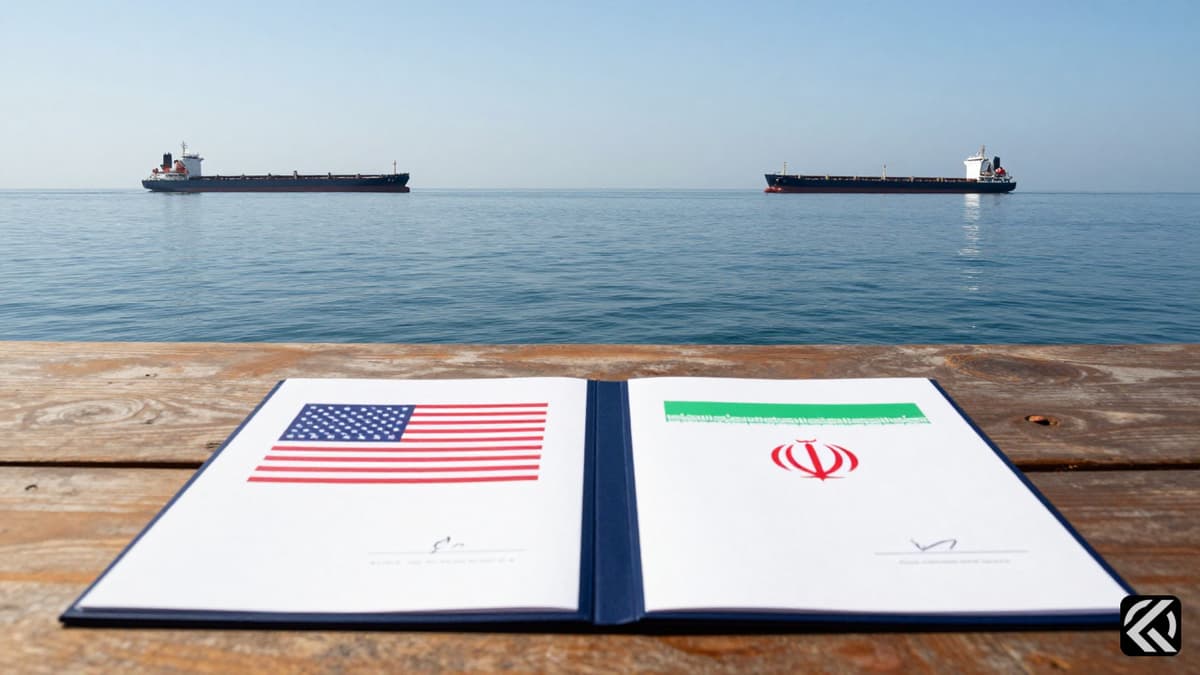
A tentative 60-day ceasefire between the US and Iran aims to resolve nuclear tensions and reopen the Strait of Hormuz, but final approval rests with President Trump.
The United States and Iran have reached a critical juncture in their ongoing conflict, establishing a framework for a temporary de-escalation that could reshape regional stability. Both nations have come to an agreement on a memorandum of understanding (MoU) designed to extend the US-Iran ceasefire for an additional 60 days. This extension is explicitly intended to facilitate formal negotiations regarding Iran’s nuclear program and broader regional hostilities. However, this diplomatic breakthrough remains contingent on one decisive factor: U.S. President Donald Trump has not yet provided his final approval for the agreement. If the President grants his consent, this deal would mark the most significant progress toward a lasting resolution to hostilities since the war began in late February 2026.
The specifics of this proposed truce involve substantial concessions from Tehran aimed at alleviating global security concerns. According to two regional officials familiar with the negotiations, the agreement entails Iran's pledge to refrain from pursuing nuclear weapons. Furthermore, Iran has committed to relinquishing its stockpile of highly enriched uranium. One of the officials indicated that the specific mechanics of how Iran will dispose of this material will be a matter of further discussion during the 60-day window. It is anticipated that part of this uranium will be diluted to reduce its immediate threat level, while the remainder could potentially be sent to a third country, with Russia being cited as a possible recipient. The urgency of this step is underscored by data from the International Atomic Energy Agency (IAEA), which reports that Iran currently possesses 440.9 kilograms of uranium enriched to 60% purity. This concentration is just a short technical step away from reaching weapons-grade levels of 90%, a threshold that would significantly increase global alarm.
A critical component of the geopolitical relief efforts involves the resumption of commercial traffic in one of the world's most vital chokepoints. The official noted that the Strait of Hormuz will gradually reopen as the U.S. lifts its blockade of Iranian ports. This waterway became a significant point of tension early in the conflict, with both the U.S. and Iran vying for dominance over the route through which about 20% of the world's oil supply was transported daily. Before the war commenced, the channel was fully accessible to commercial shipping. However, Iran shut it down as an initial act of retaliation, imposing a blockade that has severely disrupted the global oil market. This disruption has had cascading effects on related sectors, including fertilizer production, highlighting the economic fragility linked to this geographic bottleneck.
The economic implications of the potential deal are profound, particularly regarding energy markets. The U.S. is expected to permit Iran to sell its oil through sanctions waivers, according to a second official briefed on the discussions. Oil prices have surged dramatically since the onset of the U.S.-Iran war and the effective closure of the strait, disrupting global supply chains and driving domestic gas prices close to record levels in the United States. This economic pressure adds urgency to the negotiations. Talks regarding sanctions relief and the release of Iran's frozen assets will also take place during this 60-day period. Both officials remarked that the draft agreement would address a cessation of hostilities between Israel and Hezbollah, alongside a commitment to refrain from interfering in the domestic matters of regional countries. The officials chose to remain anonymous to discuss these confidential negotiations without risking diplomatic fallout.
Despite the reported progress, the path to finalizing the deal is fraught with political uncertainty and conflicting reports. U.S. sources confirmed reporting by Axios that the two sides had agreed on a memorandum of understanding to prolong the ceasefire and launch negotiations on Iran’s nuclear program. However, Iran’s Tasnim news agency, citing a source close to the negotiating team, stated on Thursday, May 28, 2026, that the text of a potential memorandum of understanding between Iran and the United States had not yet been finalized or confirmed. The source clarified that Tehran had not informed the Pakistani mediator that the text was complete and would notify both the mediator and the public once finalized. The source added that Western media reports claiming the agreement had already been finalized were false, indicating a disconnect in communication or timing between the parties.
At the center of this uncertainty is U.S. President Donald Trump, whose stance remains the ultimate arbiter of the deal's fate. Mr. Trump is yet to respond positively to the proposed ceasefire deal. Addressing reporters at a cabinet meeting at the White House on Wednesday, May 27, he expressed dissatisfaction with the current state of negotiations. “Iran is very much intent, they want very much to make a deal. So far they haven’t gotten there ... we’re not satisfied with it, but we will be. We will be either that or we’ll have to just finish the job,” Mr. Trump told reporters. This statement suggests that while the administration is open to a diplomatic solution, it is not yet willing to concede to Tehran's terms as they stand. The threat to "finish the job" implies that military options remain on the table if diplomatic efforts fail.
Meanwhile, the administration has taken steps to maintain pressure on Tehran while negotiations continue. The U.S. announced the implementation of new sanctions targeting Iran’s military oil trade. This move underscores the dual-track approach of the U.S. government: offering a diplomatic pathway through the ceasefire while simultaneously escalating economic and military pressure to force a more favorable outcome for Washington. The next 60 days will be a critical period for both nations to bridge their differences, with global markets and regional security hanging in the balance. The outcome of this period will not only determine the immediate fate of the conflict but also set the precedent for future U.S.-Iran relations and the stability of global energy supplies.
The potential ratification of this 60-day truce represents a pivotal moment in the ongoing conflict, offering a fragile window for diplomatic engagement amid high tensions. If President Trump provides his approval, the agreement could stabilize global oil markets by reopening the Strait of Hormuz and lifting sanctions on Iranian oil sales. However, the uncertainty surrounding the finalization of the text and the administration's current dissatisfaction suggests that the deal may face significant hurdles. The next two months will likely see intense back-channel negotiations, with both sides testing the limits of their respective red lines. A failure to reach a comprehensive agreement within this timeframe could lead to an escalation of hostilities, further disrupting global supply chains and increasing the risk of broader regional conflict. Conversely, success could pave the way for a more durable long-term settlement, reducing nuclear proliferation risks and restoring economic normalcy to the region.
Jun 11, 2026 12:59 UTC
US Strike on Settebello Kills Indian Sailors Amid Strait of Hormuz Tensions
Jun 11, 2026 12:49 UTC
Air India Flight 171 Crash Sparks Debate Over Boeing 787 Dreamliner Faults
Jun 11, 2026 08:51 UTC
US-Iran Conflict: Indian Seafarers Killed in Gulf Strike
Jun 11, 2026 18:04 UTC
Healey Quits Government Over Defence Spending Dispute


