Diplomatic efforts stall as Trump escalates military threats, while protests erupt in NYC and a Chinese tanker defies the naval cordon.
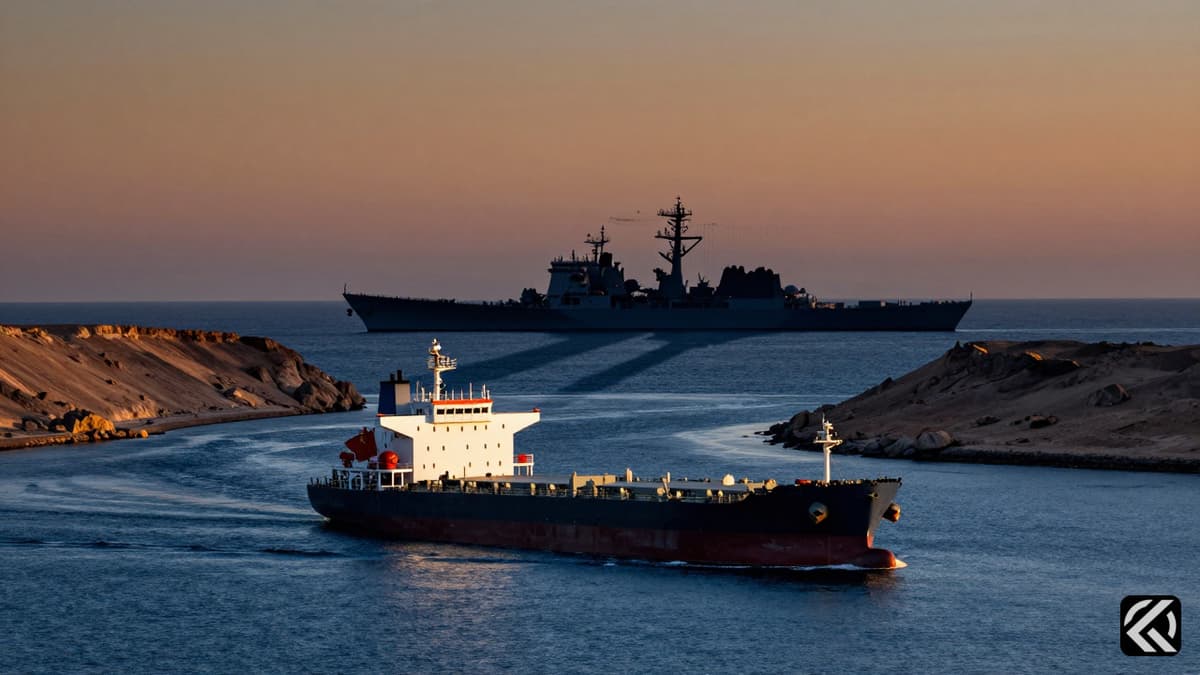
U.S. President Donald Trump has ordered a military blockade of Iranian ports, threatening to sink any vessels that challenge the cordon, as diplomatic efforts in Islamabad fail to end the six-week war. While the Strait of Hormuz blockade has begun, preventing ships from entering or leaving Iranian waters, a sanctioned Chinese tanker managed to pass through the chokepoint on Tuesday. Meanwhile, Iran-US talks concluded without a deal, leaving the future of the conflict uncertain despite hopes for renewed negotiations.
The situation escalated rapidly on Monday when the American military officially began restricting the entirety of the Iranian coastline, including ports and energy infrastructure. According to the U.K. Maritime Trade Operations agency, while transit through the strait to non-Iranian locations remains unimpeded, vessels face a significant military presence. At least two tankers approaching the strait turned around immediately upon the announcement of the blockade. President Trump framed this aggressive measure as a necessary step to force Tehran to open the strait and accept a deal to end the ongoing conflict. During a news conference in Islamabad, Vice President Vance indicated that while the U.S. left with a "final and best offer," the Iranian delegation chose not to accept the terms, stating they would see if Tehran agrees to the proposal.
Despite the stalemate in Islamabad, UN Secretary-General Antonio Guterres emphasized the need to preserve the ceasefire "absolutely" and urged for continued constructive discussions. A spokesperson for the UN noted that the talks, though ending without an agreement, highlighted the seriousness of the engagement between the two nations. Guterres acknowledged that given the deeply rooted differences, an agreement cannot be reached overnight, yet he called for the dialogue to persist. Reports from AP sources suggest that both Washington and Tehran are weighing a second round of in-person negotiations to secure a deal before the current ceasefire expires next week. The parties are considering whether to send a delegation of the same size as before, though specific details remain confidential among the officials and diplomats discussing the sensitive arrangements.
In a parallel diplomatic track focused on the conflict in Lebanon, U.S.-mediated talks are scheduled to take place in Washington on Tuesday. These discussions, led by Secretary of State Marco Rubio, will include the Israeli and Lebanese Ambassadors to Washington, alongside the U.S. Ambassador to Beirut. The objective is to reach an agreement to end the war in Lebanon, though prospects for success appear slim. Naim Qassem, the leader of Hezbollah, has already dismissed the upcoming session as "futile" and called for the talks to be scrapped before they even commence. The presence of Qassem's opposition highlights the deep divisions that persist even as the U.S. attempts to mediate between the two nations.
While high-level diplomatic channels grapple with these complex geopolitical challenges, unrest has manifested on the streets of New York City. Dozens of protesters were detained on Monday during demonstrations calling for an end to U.S. military support for Israel and a block on arms sales to the country. The protest, which included members of the antiwar group Jewish Voice for Peace, saw around 90 people detained, including whistleblower Chelsea Manning. Police confirmed multiple arrests occurred near the offices of Senators Chuck Schumer and Kirsten Gillibrand, though no official count was provided. The demonstrations reflect growing domestic pressure regarding the U.S. role in the broader West Asia conflict.
The passage of the Chinese-owned tanker "Rich Starry" through the strait marks a significant development in the enforcement of the Strait of Hormuz blockade. Data from LSEG and MarineTraffic confirms the vessel, carrying 250,000 barrels of methanol, was the first to exit the Gulf since the blockade began. Despite the tanker and its owner, Shanghai Xuanrun Shipping Co Ltd, being under U.S. sanctions for dealings with Iran, the vessel successfully navigated the strait. The ship, operated by a Chinese crew, loaded its cargo at the United Arab Emirates' Hamriyah port. This event demonstrates that while the U.S. has established a military presence to restrict Iranian movement, the blockade has not completely halted all commercial traffic, even as the risk of confrontation with U.S. naval forces remains high.
The failure of the Islamabad talks to produce a tangible agreement, coupled with the aggressive naval posture declared by President Trump, suggests a dangerous short-term outlook for the region. With the U.S. willing to sink boats challenging their blockade and Iran refusing U.S. terms, the window for a negotiated settlement before the ceasefire expires next week appears to be closing rapidly. The upcoming talks in Washington mediated by Marco Rubio may serve as a critical last-ditch effort for regional de-escalation, yet the rejection of the process by Hezbollah's leadership casts doubt on immediate success. If the current trajectory of military confrontation and diplomatic gridlock continues, the six-week war risks expanding further, potentially drawing in more regional actors and disrupting global energy markets as the Iran-US talks continue to stall without a clear resolution in sight.
Jun 8, 2026 02:17 UTC
Magnitude 7.8 Quake Shakes Philippines, Urging Immediate Evacuations
Jun 8, 2026 00:51 UTC
Trump Claims Iran Nuclear Deal Imminent Despite Diplomatic Fractures
Jun 8, 2026 00:47 UTC
Iran Fires Missiles at Israel After Beirut Strike
Jun 7, 2026 22:00 UTC
US, Iran Peace Hops Fade 100 Days Into War
Jun 8, 2026 04:15 UTC
Trump Urges Netanyahu to Halt Iran Strike for Peace


