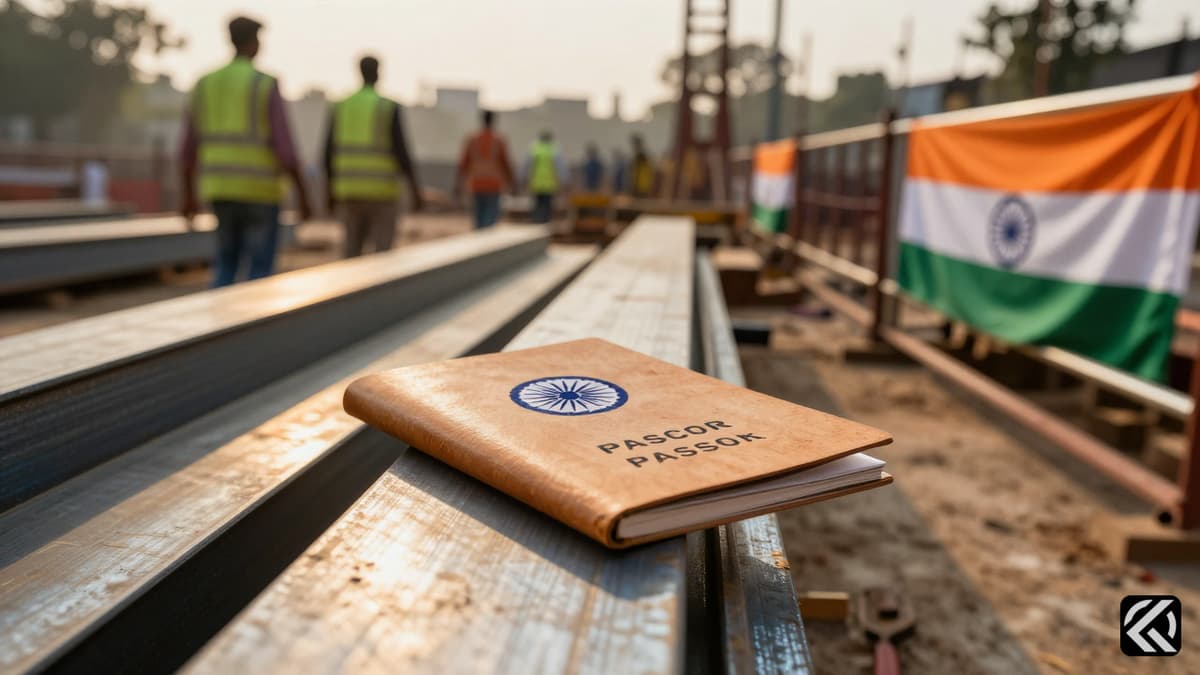
Following intense unrest in Noida, the Uttar Pradesh government has officially announced a significant hike in minimum wages across all categories, effective immediately from April 1, to address the demands of striking factory workers.
The Uttar Pradesh government has officially increased minimum wages across all worker categories following the recent unrest in Noida, with the revised rates implemented retrospectively from April 1, officials said on Tuesday. Gautam Buddh Nagar district magistrate Medha Roopam confirmed that the hike was approved by a high-powered committee and that the decision was sanctioned by the Chief Minister late last night.
The decision comes in the wake of large-scale demonstrations in Noida, where thousands of factory workers gathered to demand higher wages and better working conditions. These worker protests turned violent in parts of the district, prompting the government to set up a committee to address the situation and engage with both workers and employers. The unrest also saw a massive crackdown, with 350 people arrested in the aftermath as the probe explored a potential Pakistan link to the violence.
Under the new order, unskilled workers in Gautam Buddh Nagar and Ghaziabad will now receive Rs 13,690 per month, a significant increase from the previous rate of Rs 11,313. Semi-skilled workers in these districts will be paid Rs 15,059, while skilled workers will receive Rs 16,868. The government has issued specific instructions for different zones within the state to address regional disparities in the cost of living and employment sectors.
In other municipal corporation areas, the revised monthly wages have been set at Rs 13,006 for unskilled workers, Rs 14,306 for semi-skilled workers, and Rs 16,025 for skilled workers. For the remaining districts, unskilled workers will earn Rs 12,356 per month, semi-skilled workers Rs 13,591, and skilled workers Rs 15,224. These figures represent a structured approach to Uttar Pradesh minimum wages, aiming to balance the needs of the workforce with the economic realities faced by employers.
The decision follows consultations with employers' bodies and labour organisations, with the government stating that suggestions and objections were reviewed to ensure a "balanced and practical" outcome. Officials emphasized that the high-powered committee had thoroughly examined all inputs before finalizing the rates. The retrospective application of the new rates from April 1 ensures that workers affected by the recent period of low wages are compensated for the time since the beginning of the month.
The Noida violence that precipitated this policy shift highlights the intensity of the demands made by the workforce. The demonstrations, which involved thousands of participants, forced the administration to move quickly to de-escalate the situation. The government's response, which included both the wage revision and the formation of a committee to engage stakeholders, indicates a willingness to address the root causes of the unrest rather than merely enforcing order.
While the immediate focus remains on the wage increase, the government has also launched an investigation into the events. The probe into the violence is exploring potential external links, specifically looking into a connection with Pakistan. This security aspect has run parallel to the economic negotiations, with the administration moving to arrest 350 individuals in the crackdown. The dual approach of addressing economic grievances while investigating potential security threats underscores the complexity of the situation.
The new wage structure aims to provide relief to the most vulnerable segments of the workforce while acknowledging the contributions of semi-skilled and skilled laborers. By distinguishing between different levels of expertise, the Uttar Pradesh government hopes to create a tiered system that reflects the varying levels of responsibility and skill required in the labor market. The retention of the "balanced and practical" descriptor suggests that the administration was cautious not to set wages at levels that could stifle industry growth, even while responding to public pressure.
As the state moves forward, the focus will remain on the implementation of these rates and the ongoing dialogue between the government, employers, and labor unions. The successful integration of these new wage standards will be critical in preventing future unrest and ensuring stable economic growth across the region. The retrospective nature of the payment means that many workers will see immediate adjustments in their paychecks, serving as a direct response to the demands that sparked the recent demonstrations.
The government's swift action to revise pay scales and establish a dedicated committee demonstrates a decisive shift in labor relations following the worker protests. With the new rates effective from April 1, the state is positioning itself to stabilize the labor market while maintaining the momentum of economic activity. If the consultation process successfully addresses the "suggestions and objections" raised, it may set a precedent for future negotiations, potentially reducing the likelihood of similar large-scale disruptions. However, the ongoing investigation into the Noida violence and the arrest of 350 individuals suggest that the government remains vigilant regarding external influences on local labor unrest. The long-term impact will depend on whether the Uttar Pradesh minimum wages are sustained and enforced consistently across all districts, ensuring that the "balanced and practical" outcome initially promised translates into tangible improvements for the workforce.
Jun 8, 2026 02:17 UTC
Magnitude 7.8 Quake Shakes Philippines, Urging Immediate Evacuations
Join 50,000+ readers getting the global briefing every morning.
No spam. Unsubscribe anytime.
Jun 8, 2026 02:17 UTC
Magnitude 7.8 Quake Shakes Philippines, Urging Immediate Evacuations
Jun 8, 2026 00:51 UTC
Trump Claims Iran Nuclear Deal Imminent Despite Diplomatic Fractures
Jun 8, 2026 00:47 UTC
Iran Fires Missiles at Israel After Beirut Strike
Jun 7, 2026 22:38 UTC
Congress Party Claims Unity for INDIA Bloc Delhi Meeting


