
Section
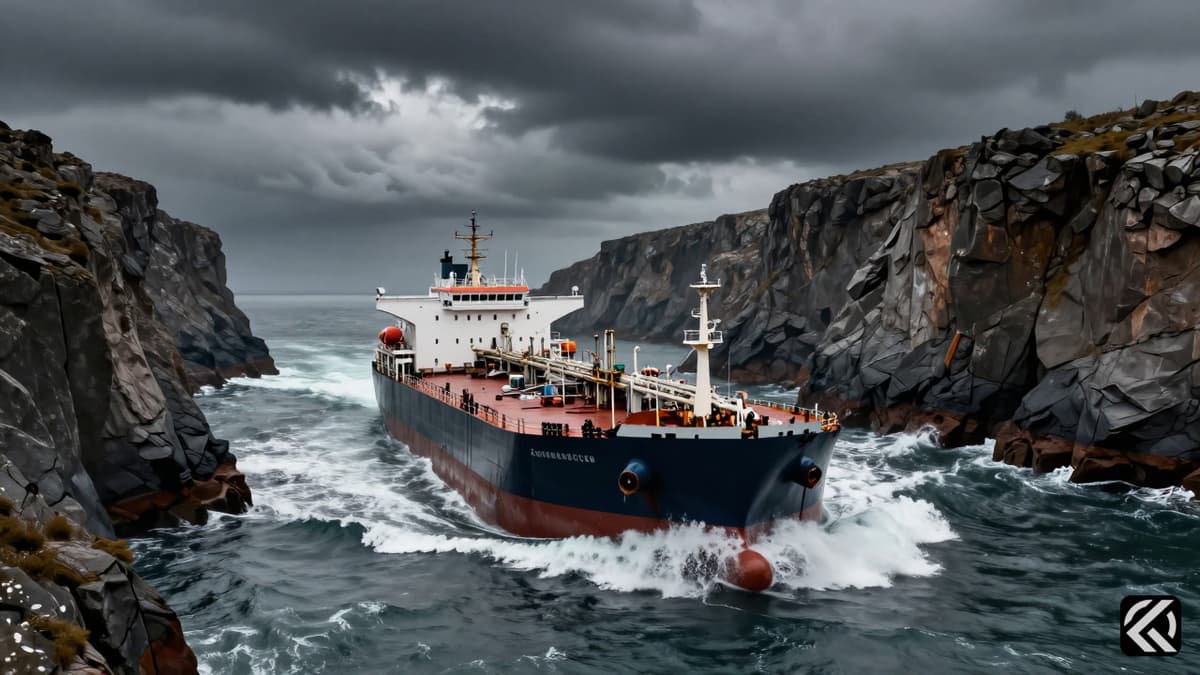
With no diplomatic progress in China and gas prices soaring, President Trump faces intense pressure to resolve the Iran conflict before midterm elections impact voter sentiment.
As Donald Trump grew increasingly frustrated with diplomatic efforts to end the war with Iran, administration officials were closely watching whether the president’s trip to China - a nation with close ties to Tehran - would yield a significant breakthrough. But Trump landed stateside Friday with seemingly no progress to report. Speaking to reporters on his journey back to Washington, the US president claimed Chinese leader Xi Jinping said he would like the Strait of Hormuz to be reopened and that he agrees Iran should not develop a nuclear weapon. However, these were statements China had previously made, offering no new leverage or resolution to the ongoing stalemate.
“He would like to see it end. He would like to help. If he wants to help, that’s great. But we don’t need help,” Trump told Fox News’ Bret Baier about his Chinese counterpart in an interview airing Friday. The lack of tangible results from the diplomatic outreach leaves the president with a difficult decision: whether launching more strikes on Iran is his best option for ending a conflict that has dragged on well past the six weeks he initially projected. This prolonged engagement has spiked gas prices and sunk his approval ratings on the economy, creating a precarious political environment.
In a Truth Social post made Friday morning China time, Trump said his military campaign against Iran is “to be continued!” There have been differing views within the administration about how to proceed, sources familiar with the talks said. Some, including officials in the Pentagon, have argued for a more aggressive approach - including targeted strikes - that they hope would further pressure Iran into compromising. Others, however, have argued for a continued focus on diplomacy. Trump himself has leaned into this approach in recent weeks, in hopes the combination of direct negotiations and economic pressure would convince Tehran to strike a deal. But Tehran hasn’t moved much in its terms for a deal since Trump announced a ceasefire in April.
“Well, I looked at it and if I don’t like the first sentence, I just throw it away,” Trump told reporters on Air Force One on Friday about the latest Iranian proposal. This dismissive attitude highlights the deepening impasse. Vice President JD Vance projected confidence earlier this week, telling reporters he had “spent a good amount of time on the phone with both Jared Kushner and Steve Witkoff this morning, and a number of our friends in the Arab world this morning,” referencing the top diplomats Trump has tasked with reaching a deal with Tehran.
“Look, I think that we are making progress. The fundamental question is: Do we make enough progress that we satisfy the president’s red line?” Vance said. “The president has set us off on the diplomatic pathway for now, and that’s what I’m focused on,” he added. But with Iran showing no willingness to move off its hardline stance, Trump has grown increasingly impatient. He’s been particularly irked by the continued closure of the Strait of Hormuz - which has sent oil and gas prices soaring - as well as perceived divisions in Iranian leadership that have further complicated negotiations, the sources said.
Iran’s latest response to the US proposal, and its rhetoric in recent days, has led many officials to question Tehran’s commitment to a serious deal. “President Trump has every option at his disposal. However, his preference is always diplomacy,” White House spokeswoman Anna Kelly told CNN in a statement. “The United States has maximum leverage over the regime, and the President will only accept a deal that protects the national security of our country.” Despite the official stance, the frustration is palpable within the White House as the diplomatic pathway yields diminishing returns.
“He’s tried bluster, that didn’t work. He’s tried negotiations, that’s hasn’t worked,” said Ivo Daalder, a former US ambassador to NATO. “He’s trying to find a way to unstick his stuckness.” There’s rising urgency within Donald Trump’s orbit to find a way out of the conflict as time ticks toward the midterm elections. The war has taken a significant toll on the president’s approval rating as voters feel the economic squeeze, and Republicans are anxious that they’ll suffer the consequences come November.
US gas prices have topped $4.50 a gallon on average and are likely to rise higher as Iran maintains its grip on the strait, a major oil thoroughfare. Inflation is picking up at a concerning pace, exceeding Americans’ wage gains in April for the first time in three years. And while the broader stock market is largely holding onto its gains, corporate leaders have grown more insistent behind the scenes as they press Trump and his advisers to find a resolution. “They just want the war over,” said one Trump adviser who recently spoke with Wall Street executives, who characterized the overarching message as “just hurry up.”
Trump has frequently downplayed the domestic impact of the war, insisting that he expected conditions to be far worse than they are. He waved off economic concerns earlier this week - and then doubled down. “I don’t think about Americans’ financial situation. I don’t think about anybody. I think about one thing: We cannot let Iran have a nuclear weapon. That’s all. That’s the only thing that motivates me,” he told reporters earlier this week when asked how much Americans’ economic concerns were behind his push for a peace deal. Pressed on that remark, Trump told Fox’s Baier: “That’s a perfect statement. I’d make it again.”
Still, Trump and his team are keenly aware of their precarious situation - juggling the search for a victory in Iran against a vanishingly short political timeline. “When I’m driving down the street and see $5 gas, that scares the hell out of me,” the Trump adviser acknowledged. “They’re trying to figure out a way, but this is not going to go on much longer. By hook or by crook, they’re going to get the strait open - they have to get it open.” This admission underscores the severity of the economic pressure bearing down on the administration. The inability to secure a quick diplomatic victory, combined with the tangible impact on consumer wallets, creates a perfect storm for political vulnerability. As the administration navigates this narrow window before the midterms, the focus remains on breaking the deadlock in Tehran, whether through renewed military pressure or a desperate diplomatic last-ditch effort, as the economic fallout continues to mount for American voters.
The lack of resolution in the Iran conflict presents a significant hurdle for the Trump administration as the midterm elections approach. With gas prices already surpassing $4.50 and inflation outpacing wage gains, the economic discontent is likely to drive voter sentiment negatively. Corporate leaders are urging an end to the hostilities, signaling that business stability is at stake. Unless a breakthrough occurs in the Strait of Hormuz blockade or a diplomatic agreement is reached, the political consequences for the ruling party could be severe, potentially reshaping the legislative landscape in November.
Jun 11, 2026 17:21 UTC
Bangladesh Opposition Mobilizes Against India-Bangladesh Border Push-Ins and BSF Killings
Join 50,000+ readers getting the global briefing every morning.
No spam. Unsubscribe anytime.
Jun 11, 2026 17:40 UTC
Boelter Pleads Guilty in Minnesota Political Assassinations
Jun 11, 2026 17:21 UTC
Bangladesh Opposition Mobilizes Against India-Bangladesh Border Push-Ins and BSF Killings
Jun 11, 2026 17:21 UTC
John Healey Quits as UK Defence Secretary Over Funding Dispute
Jun 11, 2026 16:19 UTC
UK Defence Secretary John Healey Quits Over Funding Dispute


