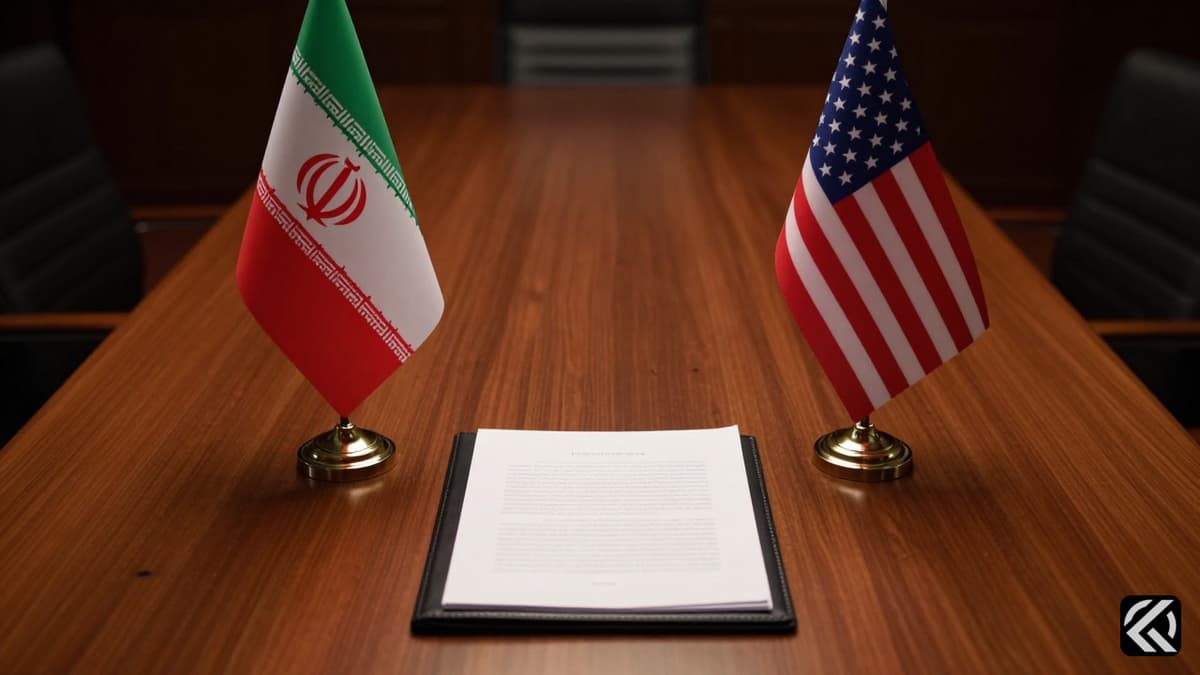
President Trump rejects Iran's new proposal, escalating tensions as Tehran warns of retaliation against U.S. forces during stalled diplomatic talks.
In a swift and decisive move that underscores the fragility of current diplomatic efforts, President Donald Trump publicly declared his dissatisfaction with the most recent offer from Iran regarding the cessation of hostilities. Speaking to reporters on Friday, May 1, 2026, the U.S. President indicated that the United States was "not satisfied" with the contents of the proposal, effectively shutting down the potential for immediate diplomatic breakthrough. This rejection occurred almost immediately after the document was delivered, signaling a hardening of position from the White House and raising the stakes in the ongoing geopolitical struggle between the two nations.
The delivery of this new peace plan was facilitated through an unexpected channel: Pakistan. Acting as a crucial mediator in the complex web of international relations, Islamabad served as the conduit for Tehran’s latest attempt to de-escalate the situation. However, despite the neutral ground provided by the Pakistani intermediary, the diplomatic overture failed to gain traction. The swift rejection highlights the deep mistrust and divergent strategic interests that continue to plague negotiations. Tehran had hoped to use this mediated channel to present terms that would halt the military engagement, but the immediate dismissal suggests that the fundamental gaps in understanding between Washington and Tehran remain unbridgeable at this time.
The diplomatic failure is compounded by aggressive military rhetoric emanating from Tehran. In tandem with the delivery of the proposal, Iran’s Islamic Revolutionary Guard Corps issued a stark warning regarding the safety of American forces in the region. The Guards declared that if Iran were to be attacked again, American warships would "burn" just as U.S. bases in the vicinity have reportedly suffered damage or destruction. This threat marks a significant escalation in the tone of the conflict, moving beyond diplomatic posturing into direct military intimidation. It serves as a clear signal to Washington that Tehran is prepared to retaliate with severe consequences for any perceived aggression, further complicating any path toward a ceasefire.
The rejection of the Iran proposal by President Trump indicates that the administration views the current terms as insufficient or unacceptable. While the specific details of the rejected plan remain private, the President’s blunt assessment suggests that the conditions for ending the conflict do not align with U.S. strategic objectives. This stance leaves the region in a precarious position, with diplomatic avenues appearing closed and military threats growing louder. The failure of this mediated attempt underscores the difficulty of using third-party intermediaries when the core parties involved hold vastly different expectations for peace and security.
As the U.S.-Iran war drags on without resolution, the international community watches with concern. The involvement of Pakistan highlights the broader regional implications of the conflict, as neighboring states are increasingly drawn into the diplomatic and security calculus. The rejection of the latest offer may prompt Tehran to seek alternative diplomatic routes or, conversely, to escalate military actions in response to the perceived lack of goodwill from the United States. The immediate future of the conflict now hinges on whether either side is willing to return to the negotiating table with different terms or if the current trajectory leads to further military confrontation.
The rapid turnover of diplomatic efforts-from proposal delivery to immediate rejection-suggests a breakdown in the traditional diplomatic process. The U.S. President’s refusal to engage with the substance of the proposal, coupled with the Revolutionary Guards' violent warnings, creates a volatile environment where misinterpretation or miscalculation could lead to unintended escalation. The role of Pakistan as a mediator remains critical, but its ability to influence the outcome is severely tested when the primary parties are so deeply entrenched in their opposing narratives. The stalled talks indicate that the path to peace is currently blocked by mutual hostility and unmet demands, leaving the region in a state of heightened alert.
The immediate rejection of Tehran’s latest diplomatic initiative, coupled with aggressive military threats from the Revolutionary Guard, signals a strategic pivot toward coercion rather than compromise. Based on the current stalemate, Iran appears to be leveraging military posturing to extract concessions that were not met in the previous round of talks. If the United States maintains its current stance of dissatisfaction without offering counter-proposals, the conflict is likely to intensify, with increased naval encounters and aerial skirmishes becoming more probable. The long-term impact suggests that without a significant shift in diplomatic strategy or a change in leadership rhetoric, the U.S.-Iran war may continue to degrade regional stability, forcing other nations to choose sides in a polarized international landscape.
May 2, 2026 07:07 UTC
Trump Rejects Iran Proposal Amid Escalating Tensions
Join 50,000+ readers getting the global briefing every morning.
No spam. Unsubscribe anytime.
May 2, 2026 09:30 UTC
Crew Abandoned Bargi Dam Cruise Before Sinking: 9 Dead in Madhya Pradesh Boat Capsize
May 2, 2026 05:01 UTC
FDA Report: Additives Cleared in Dokadia Family Deaths Probe
May 2, 2026 03:29 UTC
West Bengal Repoll Begins as Political Battle Over Counting Supervisors Escalates
May 1, 2026 23:50 UTC
Trump Signals US Troops Withdrawal Europe Amid Iran War Tensions


