Diplomatic efforts collapse as President Trump rejects Iran's latest peace terms. The Strait of Hormuz blockade triggers global economic fears while regional fighting intensifies.
The diplomatic landscape surrounding the conflict in West Asia has reached a critical impasse, with President Donald Trump openly rejecting a new peace proposal from Iran. This rejection underscores the fragility of Iran-US relations, which remain strained despite ongoing mediation efforts through Pakistan. The strategic blockade of the Strait of Hormuz continues to exert immense pressure on global markets, while the regional conflict involving Hezbollah and Israel persists beneath a nominal truce.
On Friday, May 1, 2026, President Trump stated he was “not satisfied” with the latest offer from Tehran, signaling that negotiations have stalled despite a ceasefire that has technically been in place since April 17. The proposal, delivered by Iran on April 30, was passed to the United States via Pakistani mediators. The White House declined to detail the contents of these private diplomatic conversations, with spokesperson Anna Kelly emphasizing that President Trump remains firm that Iran can never possess a nuclear weapon. Negotiations continue, Kelly noted, to ensure both short- and long-term U.S. national security.
China’s U.N. ambassador, Fu Cong, highlighted the urgency of the situation, stating that maintaining the ceasefire is an “urgent necessity.” He expressed concern over reports suggesting the truce might be temporary and warned that the Strait of Hormuz issue will be high on the agenda if it remains closed when President Trump visits China later this month. Ambassador Fu urged both Iran and the U.S. to lift their respective restrictions on the strait, calling for the international community to mobilize against the resumption of fighting.
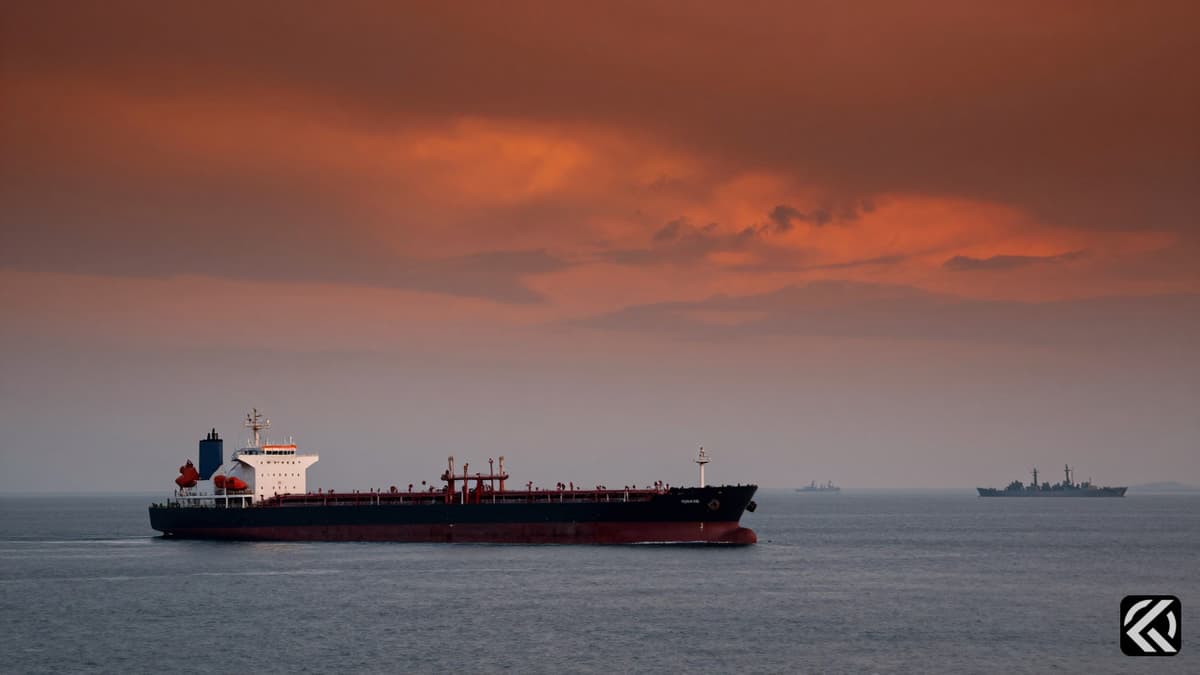
The economic consequences of the ongoing blockade are severe. The Strait of Hormuz, a vital chokepoint for global energy, is largely closed due to an Iranian blockade and a U.S. naval blockade of Iranian crude oil exports. This disruption has choked off 20% of the world’s oil and gas supplies, pushing up global energy prices and raising fears of an economic downturn. United Nations Secretary-General Antonio Guterres warned that the consequences of the war are growing “dramatically worse with each passing hour,” citing the disruption of navigational rights as a threat to energy, transport, manufacturing, and food markets.
Shipping disruptions have forced aid organizations to reroute vessels. The U.N. refugee agency reported that the cost of sending aid to Sudan has more than doubled. Ships that previously passed through the Strait are now taking routes around the Cape of Good Hope, adding up to 25 days to delivery times. U.N.HCR spokesperson Carlotta Wolf noted that people in dire need are receiving assistance later than required due to these logistical delays.
Despite the diplomatic deadlock, the military situation on the ground remains volatile. The Hezbollah-Israel ceasefire is technically holding, yet both sides continue to engage in hostilities. Hezbollah reported launching rockets and drones at Israeli military positions throughout Friday, with six separate statements confirming the attacks. One drone crashed in northern Israel near the Lebanese border, causing a localized fire and wounding two soldiers lightly.
The Israeli military confirmed the explosion and urged residents in the village of Habboush near Nabatiyeh to evacuate, warning that proximity to Hezbollah facilities is dangerous. Israeli airstrikes on southern Lebanon killed at least four people in three villages on Friday. Meanwhile, Hezbollah’s media relations director, Youssef Al Zein, admitted to introducing reinforcements and weapons into southern Lebanon during the conflict. He stated these movements did not use roads controlled by the Lebanese army, expressing conviction that the Lebanese army would not confront Hezbollah directly.
Internally, Iran is facing significant political friction. Reports indicate that President Masoud Pezeshkian and Parliament Speaker Mohammad Bagher Ghalibaf are seeking the removal of Foreign Minister Abbas Araghchi. Allegations suggest Araghchi has been acting under the directives of Revolutionary Guard commander Ahmad Vahidi rather than the presidency. This discord highlights the deep mistrust and internal divisions within the Iranian leadership.
In response to the maritime crisis, international diplomatic efforts are accelerating. France’s Foreign Minister Jean-Noel Barrot stated that a new U.S.-led coalition, dubbed the “Maritime Freedom Construct,” would complement rather than compete with a similar UK-France initiative, which is now at an “advanced” stage. The U.S. official confirmed the launch of the coalition aimed at restarting shipping in the vital route.
Meanwhile, the United Arab Emirates expressed deep skepticism toward Iranian guarantees. Senior UAE official Anwar Gargash stated on social media that no unilateral Iranian arrangements regarding the Strait of Hormuz can be trusted, citing what he described as Iran’s “treacherous aggression.”
The convergence of failed diplomacy, military escalation, and maritime blockades suggests a prolonged period of instability. With the Strait of Hormuz remaining a flashpoint, global energy markets will likely continue to experience volatility, further complicating economic recovery efforts. The internal political strife in Iran may also hinder swift resolution, as leadership disputes distract from coherent foreign policy. As the U.S. and European coalitions prepare to enforce maritime freedom, the risk of miscalculation remains high, threatening to extend the humanitarian crisis in Sudan and deepen geopolitical rifts across West Asia in the coming months.
May 1, 2026 03:53 UTC
Hegseth Defends Iran War Actions Amid Stockpile and Legal Fears
May 1, 2026 03:50 UTC
Trump Administration Declares Iran Conflict Terminated
Apr 25, 2026 01:38 UTC
Iranian FM Araghchi Heads to Islamabad for Critical US-Iran Talks
Apr 24, 2026 17:13 UTC
Trump Confirms Extended Ceasefire as Iran Vows Port Blockade
May 1, 2026 19:02 UTC
Congress Slams PM Modi Over Commercial LPG Price Hike


