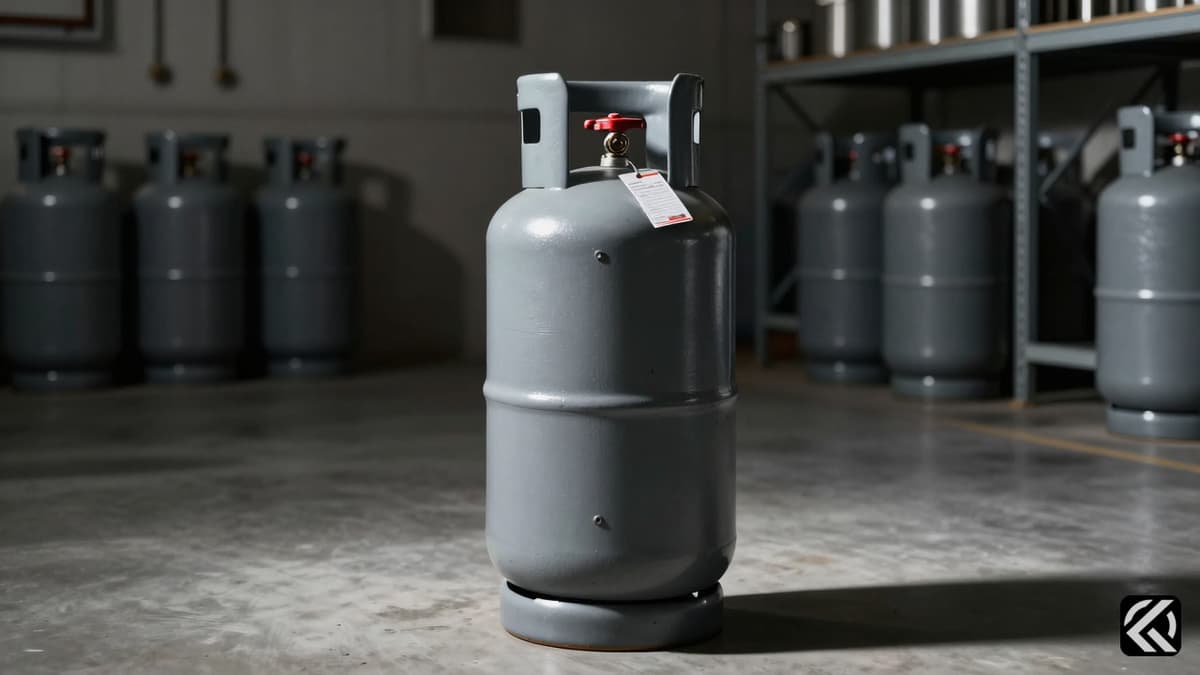
The Congress party has launched a fierce attack on Prime Minister Narendra Modi, accusing his administration of burdening small businesses with a massive commercial LPG price increase.
NEW DELHI: The Indian National Congress has intensified its critique of the central government, targeting Prime Minister Narendra Modi over a significant increase in the cost of commercial LPG. On Friday, the party slammed the administration for what it described as a pattern of price hikes that disproportionately burden small businesses. This political backlash follows the Centre’s decision to raise the price of a 19 kg commercial LPG cylinder by Rs 993. Consequently, the cost of a commercial cylinder in Delhi has surged to Rs 3,071.50. Notably, this adjustment does not affect household users, as domestic LPG prices were left unchanged.
In a sharp post on the social media platform X, the Congress party labeled the Prime Minister “Inflation Man Modi,” alleging that the administration is systematically increasing costs for the common citizen and business owner alike. The party detailed a cumulative rise in commercial LPG prices over the previous four months, listing the specific increases. According to their data, the price hikes occurred on May 1 (Rs 993), April 1 (Rs 218), March 7 (Rs 115), March 1 (Rs 31), February 1 (Rs 50), and January 1 (Rs 111). The Congress noted that the total increase over this period stands at Rs 1,518, describing the situation as “Modi’s extortion” that will continue until the year ends.
Congress MP Manickam Tagore focused his criticism on the timing of the price revision, linking it directly to the conclusion of polling in various parts of the country. In his social media post, Tagore highlighted the proximity of the price hike to the election cycle. He noted that polling concluded on April 29, yet the price hike took effect on May 1. Tagore alleged that there was “silence” before elections but a sharp “jump” on the commercial cylinder price afterward. He suggested that this timing is not a coincidence but a deliberate pattern. The MP warned that small restaurants, tea shops, and street vendors would now raise their prices to cope with the increased input costs. He juxtaposed this burden on small businesses with the growth of corporate empires, specifically naming Adani, to illustrate his point about economic disparity.
The government and Oil Marketing Companies (OMCs) have defended the decision, stating that the revision applies exclusively to commercial LPG cylinders and bulk categories. Officials emphasized that prices for the 14.2 kg domestic LPG cylinders, which serve approximately 33 crore households, remain unchanged. This protection is part of a broader strategy to shield the general public from global energy volatility. Additionally, the price of the 5 kg free trade LPG cylinder was increased by Rs 261 per unit. In a statement, the Indian Oil Corporation clarified that the move reflects global energy trends. The company stated that domestic consumers have been insulated from price volatility, ensuring stability for the majority of users.
The Indian Oil Corporation provided detailed statistics to support its stance, noting that approximately 80% of petroleum products have witnessed no change in prices. This includes domestic ATF (Aviation Turbine Fuel) prices for scheduled airline operations. The company explained that the prices of bulk and commercial LPG cylinders, which account for less than 1% of total consumption, were revised to align with international benchmarks. In contrast, around 4% of petroleum products saw downward revisions, reflecting the dynamic nature of global price movements. The company also noted that bulk diesel and ATF for international airline operations were adjusted upward.
The recent price adjustment comes amidst significant volatility in the global crude oil market, driven by geopolitical tensions in West Asia. Brent crude prices recently surged to around $126 per barrel before easing to approximately $113 per barrel. This fluctuation has had a direct impact on import-dependent energy markets like India. Since India relies heavily on imports for its LPG supply, the prices of commercial and non-subsidized cylinders are linked to international benchmarks. These prices are revised periodically to reflect global market conditions.
Officials described the latest revision as part of a calibrated approach to align domestic pricing with global trends while simultaneously shielding household consumers from the brunt of these fluctuations. Despite these technical explanations and the government’s defense of the policy, the opposition has intensified its attack. The Congress frames the hike not just as an economic adjustment but as a burden on small businesses and a politically timed move designed to capitalize on the post-election phase. This has set the stage for a broader debate on inflation, energy pricing, and the government’s economic management strategies in the coming months.
The sharp increase in commercial LPG prices, driven by geopolitical tensions and global crude volatility, places immediate financial strain on small enterprises. While domestic consumers remain protected, the Rs 993 hike per cylinder will likely force service providers to raise consumer prices. Given the opposition's characterization of the timing as politically motivated, this issue is poised to dominate political discourse. As global energy markets remain unstable, continued periodic revisions for commercial users may fuel further inflationary pressures in the food and service sectors, keeping the debate on economic inequality and inflation management at the forefront of national conversation.
May 1, 2026 17:36 UTC
Trump Rejects Iran Proposal as Strait of Hormuz Crisis Worsens
Join 50,000+ readers getting the global briefing every morning.
No spam. Unsubscribe anytime.
May 1, 2026 17:19 UTC
USF Student Nahida Bristy Identified Among Crime Scene Remains
May 1, 2026 15:48 UTC
ECI Mandates Repoll at 15 Booths in South 24 Parganas
May 1, 2026 13:46 UTC
Opposition Demands Alcohol Tests for Punjab CM Bhagwant Mann
May 1, 2026 11:23 UTC
Bengal CEO Denies Fraud as Leaders Clash Over Exit Poll Accuracy


