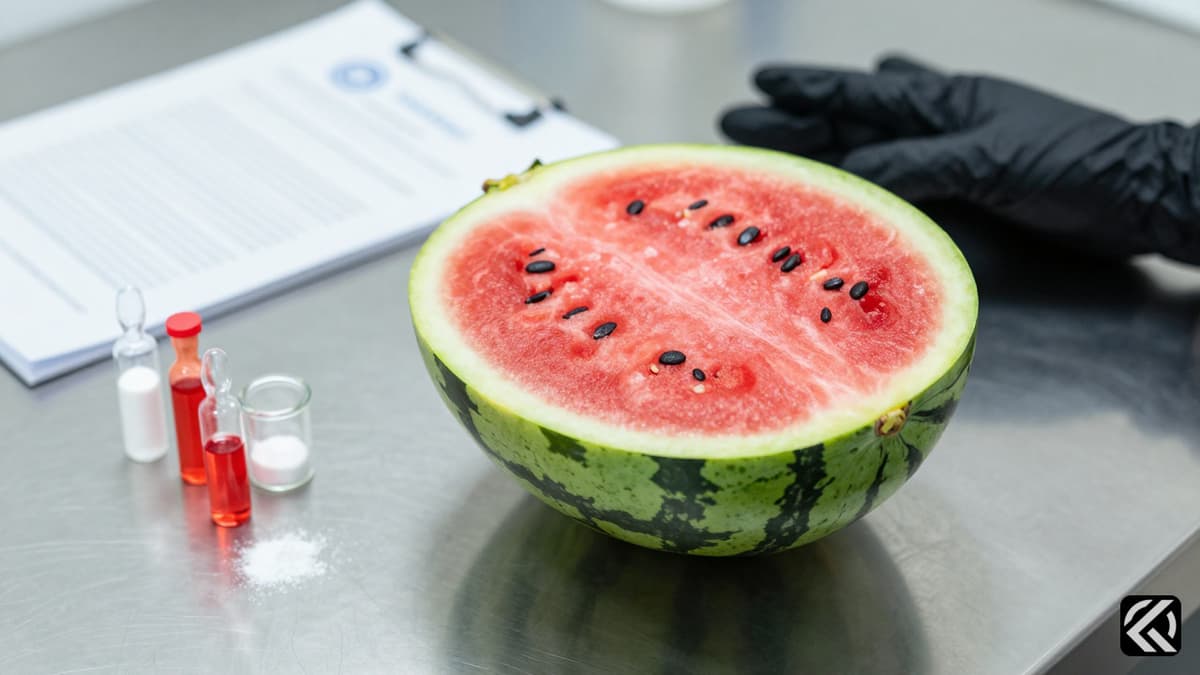
Mumbai’s Dokadia family tragedy deepens as FDA tests rule out food adulteration in watermelon samples. Forensic labs now hunt for bacterial toxins or poisons.
Mumbai is grappling with a tragic and complex investigation following the sudden deaths of four members of the Dokadia family. The incident, which unfolded over a weekend, has sparked intense scrutiny from investigative authorities and food safety officials alike. Initial suspicions pointed toward food safety issues, leading to a comprehensive analysis of the meals consumed by the victims.
The immediate aftermath saw the collection of various food samples from the Dokadia residence in Bhendi Bazaar. These samples included the suspected watermelon, half-eaten dates, a water mixture containing a cinnamon powder-like substance, pulao-biryani, raw rice, and various spices. The primary focus of the initial inquiry was whether the food had been tampered with or contained harmful synthetic ingredients.
On Friday, the Food and Drug Administration (FDA) released findings that significantly shifted the direction of the investigation. The FDA report indicated that none of the food samples collected from the house showed signs of common food adulteration agents. Specifically, the testing of the watermelon sample ruled out the presence of artificial sweeteners, synthetic dyes, or other additives used to artificially enhance colour, sweetness, or size. This finding was crucial as the watermelon was consumed at 1am on Sunday, shortly before the victims began showing symptoms.
However, the FDA’s findings have inherent limitations that keep the investigation open to other possibilities. FDA officials clarified that their tests are designed to verify if a product matches its label and to detect known substances in food adulteration. They cannot definitively rule out the presence of bacterial contamination or other unknown toxins. The bacterial tests could not be performed during the initial phase, meaning bacteria remain a viable suspect. Additionally, results on the water sample were inconclusive, and officials were unable to test the dates due to their small quantity. The meat sample has been sent to BMC labs for protein analysis, further complicating the picture.
With the avenue of synthetic chemical adulteration largely closed, the focus has shifted to biological and toxicological causes. Scientists are now analyzing the food samples, which have been split between the forensics team and the FDA, to identify any toxins. These toxins could be produced by microorganisms or introduced through other poisonous substances. The viscera and stomach wash samples from the deceased are currently with the Kalina forensics lab for detailed examination.
The victims of this tragedy are Abdulla Dokadia, 44, who owned a mobile phone accessories shop in Andheri; his wife, Nasreen, 44; and their daughters, Ayesha, 16, and Zainab, 12. Their quick demise after a Saturday night feast has left the community in shock and prompted a rigorous forensic inquiry. A top forensic expert stated that the entire database of poisons will be compared with the findings of the tests to identify the cause of death.
The food adulteration investigation thus far has eliminated several common hypotheses, pushing authorities to look deeper into potential biological hazards. The Dokadia family deaths have become a focal point for public health safety in Mumbai, highlighting the need for thorough forensic analysis in cases of sudden multi-person fatalities. The FDA report serves as a critical piece of evidence, narrowing the field of suspects but not closing the case.
As the forensic teams continue their work, the community awaits further updates. The case underscores the complexities of food safety investigations and the importance of diverse testing methodologies. While synthetic additives have been ruled out, the search for the true cause of the tragedy continues, with experts probing both bacterial and poison angles to provide answers to the grieving family and the public.
The elimination of synthetic additives in the FDA report marks a pivotal moment in the investigation into the Dokadia family deaths. With the FDA report clarifying that the watermelon was free of artificial colors and sweeteners, the focus has decisively moved toward biological contaminants. Forensic experts are now prioritizing the analysis of stomach wash and viscera samples to detect toxins produced by microorganisms. This shift suggests that the cause of death may lie in natural biological processes or undiscovered poisons rather than deliberate chemical tampering. The outcome of these detailed forensic tests will determine whether future food safety regulations require stricter bacterial screening for fresh produce, potentially impacting market practices across Mumbai.
May 1, 2026 23:50 UTC
Trump Signals US Troops Withdrawal Europe Amid Iran War Tensions
Join 50,000+ readers getting the global briefing every morning.
No spam. Unsubscribe anytime.
May 1, 2026 23:50 UTC
Trump Signals US Troops Withdrawal Europe Amid Iran War Tensions
May 1, 2026 23:07 UTC
Amit Shah Meets Sonam Wangchuk in Leh
May 1, 2026 21:53 UTC
Iran Devastates 16 US Military Sites Across Middle East
May 1, 2026 21:14 UTC
Trump Imposes 25% Tariffs on EU Cars, Escalating Trade War


