
Section
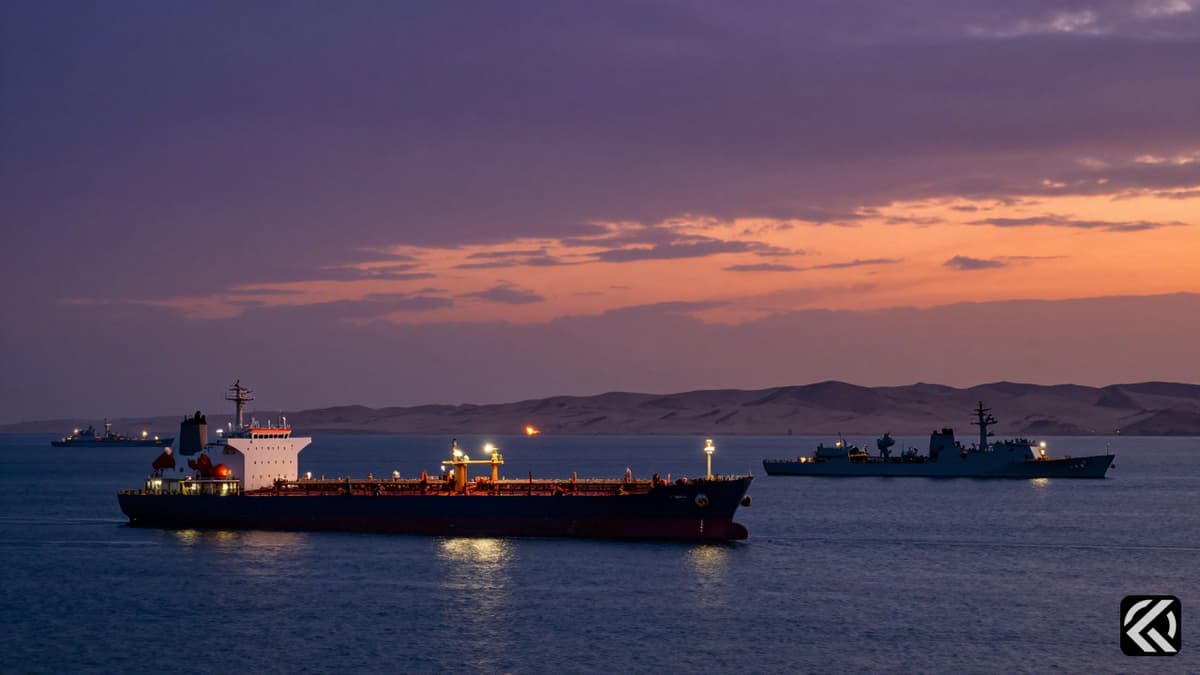
President Trump has rejected Iran's latest ceasefire conditions as totally unacceptable. The geopolitical standoff intensifies amid drone attacks, naval blockades, and urgent nuclear negotiations.
The geopolitical landscape shifted dramatically on Saturday, May 11, 2026, as diplomatic efforts to halt the ongoing conflict between the United States and Iran collapsed. Iran transmitted its response to the latest American ceasefire proposal through Pakistani mediators, outlining terms that included a permanent end to hostilities across all fronts. However, the initiative was swiftly dismissed by U.S. leadership. President Donald Trump rejected the proposal as "TOTALLY UNACCEPTABLE," offering no further details or explanation for the dismissal, thereby deepening the diplomatic chasm between the two nations.
Iran’s state television reported that Tehran seeks to resolve the conflict not only in its direct sphere but also in Lebanon, where it supports the militant group Hezbollah against Israeli forces. Additionally, Iran emphasized the need to ensure the security of global shipping lanes, which have become a focal point of the escalating crisis. The United States had previously outlined a proposal aimed at ending the war, reopening the strategic Strait of Hormuz, and rolling back Iran’s nuclear capabilities.
The rejection of the ceasefire comes amidst a volatile period of military engagement. The fragile state of peace was tested earlier in the week when a drone ignited a fire on a ship off the coast of Qatar. Concurrently, the United Arab Emirates and Kuwait reported drones entering their airspace. The UAE confirmed it shot down two drones and blamed Iran, though no casualties were reported and responsibility was not officially claimed by any group at that moment. Qatar’s Foreign Ministry condemned the ship attack as a dangerous escalation threatening maritime trade routes, while the UK Maritime Trade Operations Centre provided no specific details on the vessel involved.
Kuwait’s Defense Ministry confirmed its forces responded to the drone incursions but did not disclose their origin. Since the war began with U.S. and Israeli attacks on February 28, 2026, Iran and allied groups like Hezbollah have utilized drones for hundreds of strikes.
On the diplomatic front, U.S. Ambassador to the United Nations Mike Waltz told ABC that Washington is giving diplomacy "every chance we possibly can before going back to hostilities." Meanwhile, President Trump took to social media to accuse Tehran of "playing games" with the United States for nearly 50 years. "They will be laughing no longer!" Trump wrote. In Iran, Supreme Leader Mojtaba Khamenei, who has remained absent from public view since the war’s onset, issued directives for continued operations and confrontation with enemies while meeting with military command heads.
The crisis has heavily impacted global markets. Iran has largely blocked the Strait of Hormuz, a vital waterway for the global flow of oil, natural gas, and fertilizer. In response, the U.S. military established a blockade of Iranian ports on April 13. The U.S. claims to have turned back 61 commercial vessels and disabled four. On Friday, U.S. forces struck two Iranian oil tankers accused of breaching the blockade. Iran’s Revolutionary Guard navy warned that any attack on its commercial vessels would result in a "heavy assault" on U.S. bases and ships.
A primary obstacle to any agreement remains Iran’s nuclear program. The UN nuclear agency reports that Iran possesses more than 440 kilograms of highly enriched uranium, purified up to 60 percent, which is technically close to weapons-grade material. The majority of this stockpile is likely located at the Isfahan nuclear complex, which faced less intense attacks this year compared to the 12-day war last year.
President Trump has reiterated threats to resume full-scale bombing if Iran fails to agree to reopen the strait and dismantle its nuclear ambitions. Israeli Prime Minister Benjamin Netanyahu reinforced this stance in an interview with CBS on May 10, stating the war cannot end until the enriched uranium is removed from Iran. "Trump has said to me, I want to go in there,' and I think it can be done physically," Netanyahu said.
Iranian military spokesperson Brig. Gen. Akrami Nia told IRNA that forces are on "full readiness" to protect uranium sites from infiltration or heli-borne operations. He noted the possibility of attempts to steal the material. In a potential diplomatic avenue, Russian President Vladimir Putin stated on May 9 that Moscow’s proposal to take the enriched uranium from Iran to facilitate a settlement remains on the table. However, with Trump’s rejection of the broader ceasefire terms and Netanyahu’s insistence on physical removal, the path to de-escalation remains extremely narrow.
With President Trump dismissing Iran’s conditions and Israel demanding the physical removal of highly enriched uranium, the likelihood of a negotiated settlement diminishes rapidly. The continued blockade of the Strait of Hormuz and ongoing drone attacks suggest that hostilities will intensify rather than conclude. Unless a neutral party like Russia successfully intervenes with the uranium deal, the region faces prolonged military engagement and heightened global energy volatility.
Jun 11, 2026 17:21 UTC
Bangladesh Opposition Mobilizes Against India-Bangladesh Border Push-Ins and BSF Killings
Join 50,000+ readers getting the global briefing every morning.
No spam. Unsubscribe anytime.
Jun 11, 2026 17:40 UTC
Boelter Pleads Guilty in Minnesota Political Assassinations
Jun 11, 2026 17:21 UTC
Bangladesh Opposition Mobilizes Against India-Bangladesh Border Push-Ins and BSF Killings
Jun 11, 2026 17:21 UTC
John Healey Quits as UK Defence Secretary Over Funding Dispute
Jun 11, 2026 16:19 UTC
UK Defence Secretary John Healey Quits Over Funding Dispute


