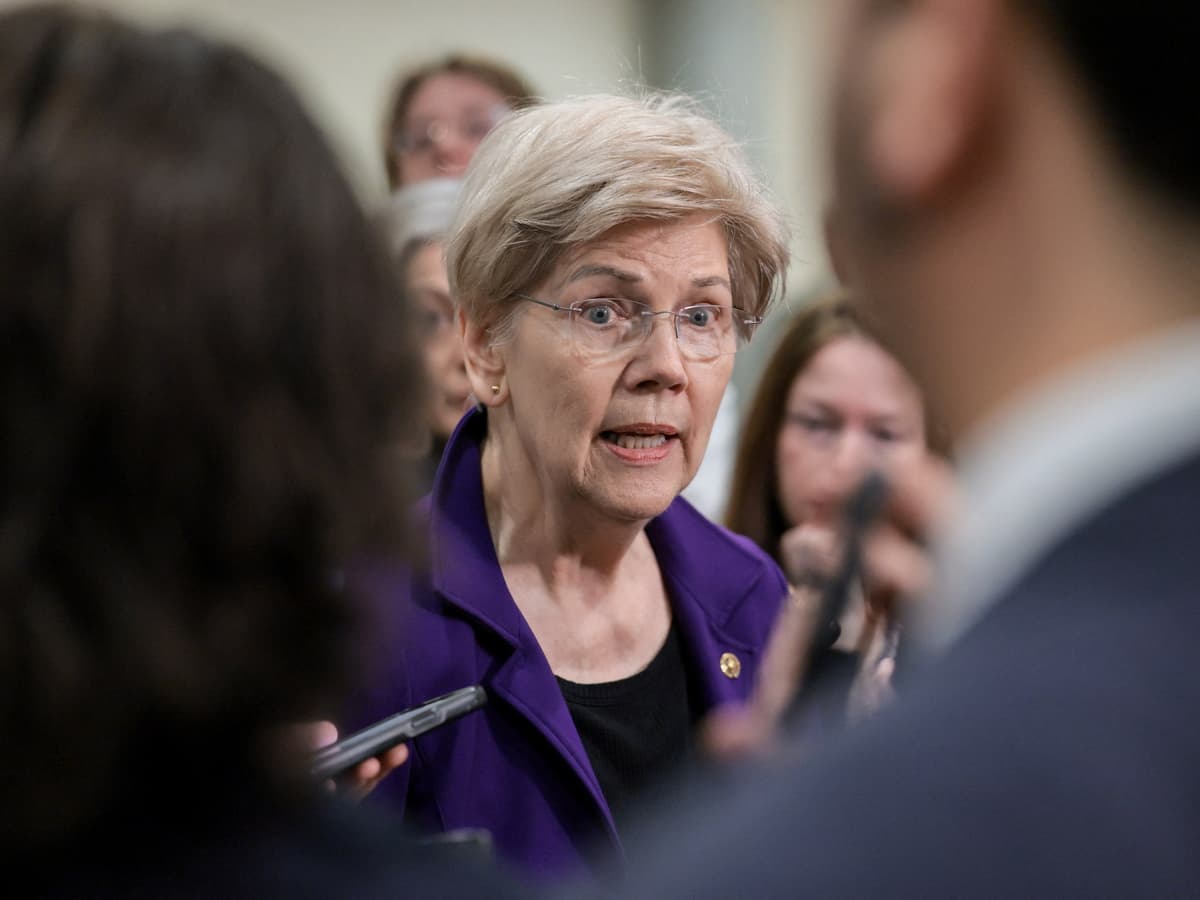
A growing rift in Washington sees lawmakers questioning the justification for military action against Tehran amidst conflicting reports on objectives and costs.
In a developing political crisis, members of the United States Senate are demanding public hearings regarding the nation’s ongoing military engagement against Iran. Following classified briefings from the White House, Democrats express deep concern over the lack of clarity surrounding the conflict initiated by President Donald Trump. The tension highlights a significant divide within Congress about executive authority and strategic objectives.
Lawmakers argue the administration has failed to define the war’s goals or duration. Senator Chris Murphy described the strategy as "totally incoherent" after a two-hour classified session. He suggested that if the president sought congressional authorization as required by the Constitution, the measure would fail public scrutiny. Senator Richard Blumenthal noted the absence of an endgame, pointing out contradictory statements from the White House regarding whether the conflict is concluded or just beginning. Furthermore, Senator Elizabeth Warren highlighted the financial disparity, noting a billion dollars daily spent on bombing while healthcare funding remains unavailable for millions of citizens. She emphasized Congress's power to stop such actions through budgetary control. Concerns also extend to potential ground troop deployments, with Blumenthal warning that American families deserve to know about the dangers facing service members.
While Republican leadership largely supports the campaign, internal dissent is emerging. Senior officials like Secretary of State Marco Rubio and Defense Secretary Pete Hegseth have briefed Congress on military progress behind closed doors. Representative Brian Mast praised Trump’s use of constitutional authority to counter an "imminent threat." However, Senator Rand Paul criticized the shifting rationales for the war, calling it a choice rather than a necessity. Representative Nancy Mace expressed reluctance about sending troops from her state into combat. The debate also touches on legal boundaries. Legal experts suggest the president may be violating the War Powers Resolution, which limits deployment to 60 days without approval. Professor David Schultz indicated that actions might be unconstitutional given intelligence agencies found no evidence of an imminent threat prior to the February 28 strikes. The administration argues the strikes were justified as a response to an immediate danger, yet intelligence had previously stated otherwise regarding threats to US facilities across the Middle East.
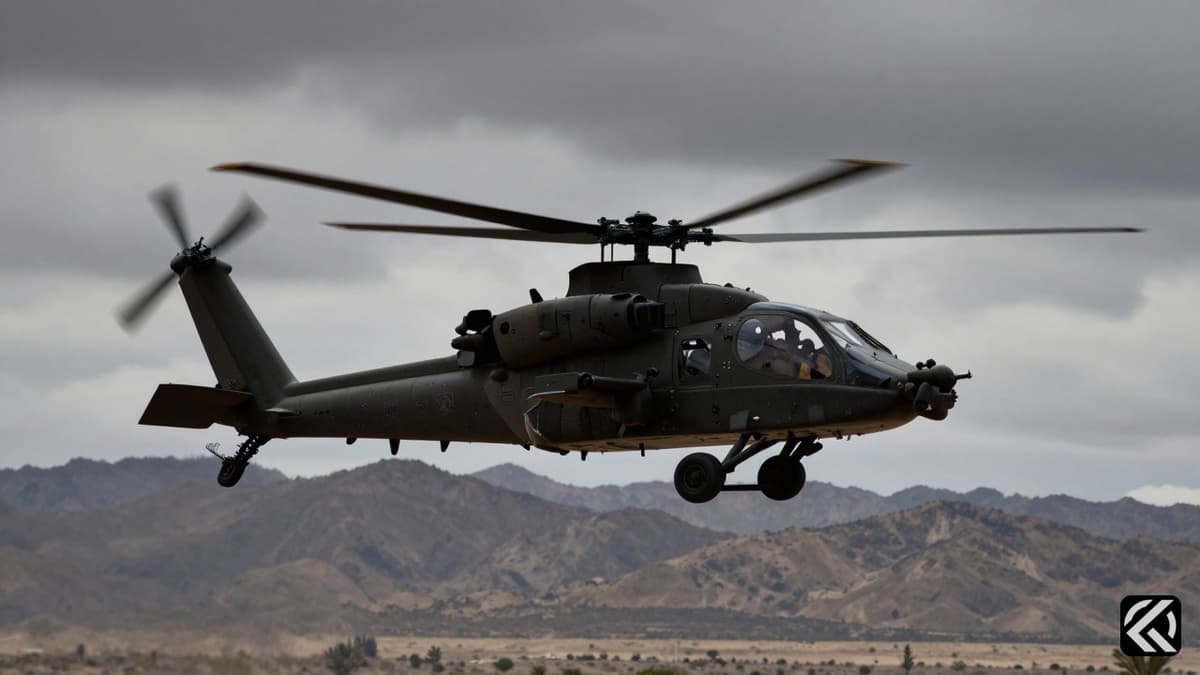
Specific incidents have heightened scrutiny significantly. Six Democratic senators requested an investigation into a strike on a girls’ school in Minab, southern Iran. Reports suggest US forces were involved, resulting in at least 170 deaths, predominantly children. This tragedy underscores the human cost and fuels arguments for stricter oversight. The dispute revives long-standing debates about presidential war powers versus congressional authority to declare war.
The conflict has exposed deep fissures regarding military authorization and transparency. As the administration maintains the strikes are necessary for national security, opposition lawmakers insist on legislative oversight to protect democratic principles and ensure public safety before further escalation occurs.
Jun 9, 2026 20:58 UTC
Trump Demands U.S. Action as Iran Shoots Down Second Aircraft
Join 50,000+ readers getting the global briefing every morning.
No spam. Unsubscribe anytime.
Jun 9, 2026 18:37 UTC
Israel Strikes Tyre Despite Iranian Warnings
Jun 9, 2026 16:42 UTC
IAB Framework Data Practices and User Privacy Choices
Jun 9, 2026 16:07 UTC
Madhya Pradesh Congress Departs for Bengaluru to Avoid Rajya Sabha Elections Pitfalls
Jun 9, 2026 14:27 UTC
US Sea Drone Saves Army Helicopter Crew Near Strait of Hormuz