
Section
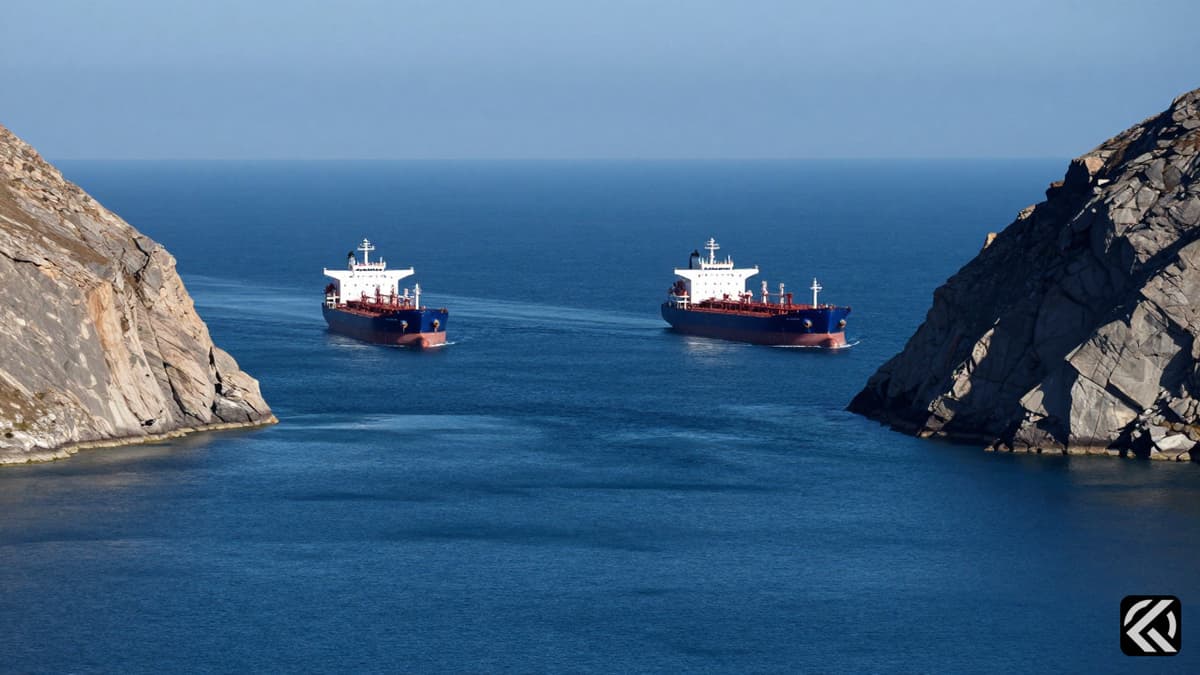
President Trump orders patience in Iran negotiations, warning against rushing a ceasefire or nuclear accord. With US-Iran tensions high and oil markets volatile, the path to agreement remains fraught with political and military hurdles.
President Donald Trump has explicitly instructed US negotiators "not to rush into a deal" with Iran, directly countering recent media reports suggesting an agreement was imminent. The directive comes as tensions remain high following weeks of military conflict and ongoing diplomatic maneuvers aimed at de-escalating the situation.
According to US media reports, the proposed agreement under discussion includes a 60-day extension of the current ceasefire, the reopening of the Strait of Hormuz, and further negotiations regarding Iran's nuclear program. While Trump acknowledged on Saturday that an agreement had been "largely negotiated," he simultaneously cautioned that the process required patience. In a social media post on Truth Social, Trump stated that negotiations "are proceeding in an orderly and constructive manner" but emphasized that "both sides must take their time and get it right." He added that there could be "no mistakes" and affirmed that "time is on our side," signaling a strategic patience rather than an immediate rush to conclusion.
The context of these negotiations is rooted in the broader conflict that erupted on February 28, when the US and Israel launched wide-ranging strikes on Iran. This military action sparked a conflict across the Middle East, prompting Iran to respond with attacks on Israel and US-allied states in the Gulf region. Although a ceasefire was agreed upon in April to facilitate talks, it has only been largely observed, with occasional exchanges of fire continuing to occur. The current diplomatic efforts appear to be an attempt to formalize this fragile peace and address the underlying triggers of the conflict.
Republican lawmakers have reacted sharply to the potential deal, exposing a split within the party. Some prominent figures argue that the terms are too lenient toward Tehran. Senator Ted Cruz described the potential agreement as "a disastrous mistake," while Roger Wicker, chairman of the Senate Armed Services Committee, warned that a 60-day ceasefire would render "everything accomplished by Operation Epic Fury... for naught." Conversely, Representative Mike Lawler of the House Foreign Affairs Committee defended the administration's approach, stating that they have managed to "force the remnants of this regime into a negotiation, a real negotiation." This political divergence highlights the complexity of balancing military achievements with diplomatic outcomes.
A central point of contention remains Iran's nuclear capabilities. Trump reiterated that Iran "must understand" it cannot develop a nuclear weapon, a stance shared by Israel and other Western allies. The US and its allies suspect Tehran is seeking to build a bomb, while Iran maintains its program is solely for peaceful purposes. Reports suggest the deal would require Iran to hand over its highly-enriched uranium. It is believed that Iran possesses approximately 440kg (970 lbs) of this material, which can be used for both nuclear energy and weapons when sufficiently enriched.
The economic and logistical implications of the conflict are equally significant. The US has enforced a blockade of Iranian ports since early April, which Trump stated will remain "in full force and effect until an agreement is reached, certified, and signed." This blockade is designed to exert pressure on Tehran to accept US terms. Meanwhile, Iran continues to control the Strait of Hormuz, effectively closing the vital waterway through which approximately 20% of the world's oil and liquefied natural gas passes. This closure has caused oil prices to soar globally, adding financial urgency to the diplomatic stalemate.
US Secretary of State Marco Rubio described the progress in negotiations as "significant" but "not final." He hinted at positive developments regarding the maritime route, suggesting that progress over the past 48 hours could lead to a "completely open strait... without tolls." Despite this optimism, Iranian officials remain cautious. Foreign Ministry spokesperson Esmail Baghaei noted that while a "memorandum of understanding" is being finalized to allow for additional talks, Iranian media reports indicate there are still "one or two" points of disagreement. Baghaei clarified that signs of progress do not guarantee that agreements will be reached on all key issues.
The current standoff illustrates a delicate balance between military pressure and diplomatic negotiation. With the US maintaining a strict port blockade and Iran holding leverage through the control of the Strait of Hormuz, neither side appears willing to make significant concessions without guaranteed reciprocity. If the negotiations fail to produce a certified and signed agreement, the blockade is likely to persist, keeping economic pressure on Tehran and continuing to disrupt global energy markets. Furthermore, without a resolution to the nuclear concerns, the threat of renewed military escalation remains. The political division within the US Congress suggests that any final deal will face intense scrutiny and potential legislative hurdles. Consequently, the immediate future will likely be characterized by continued caution from both Washington and Tehran, with neither side willing to rush into a potentially flawed agreement that could undermine their strategic positions.
Jun 11, 2026 17:21 UTC
Bangladesh Opposition Mobilizes Against India-Bangladesh Border Push-Ins and BSF Killings
Join 50,000+ readers getting the global briefing every morning.
No spam. Unsubscribe anytime.
Jun 11, 2026 17:40 UTC
Boelter Pleads Guilty in Minnesota Political Assassinations
Jun 11, 2026 17:21 UTC
Bangladesh Opposition Mobilizes Against India-Bangladesh Border Push-Ins and BSF Killings
Jun 11, 2026 17:21 UTC
John Healey Quits as UK Defence Secretary Over Funding Dispute
Jun 11, 2026 16:19 UTC
UK Defence Secretary John Healey Quits Over Funding Dispute


