Section
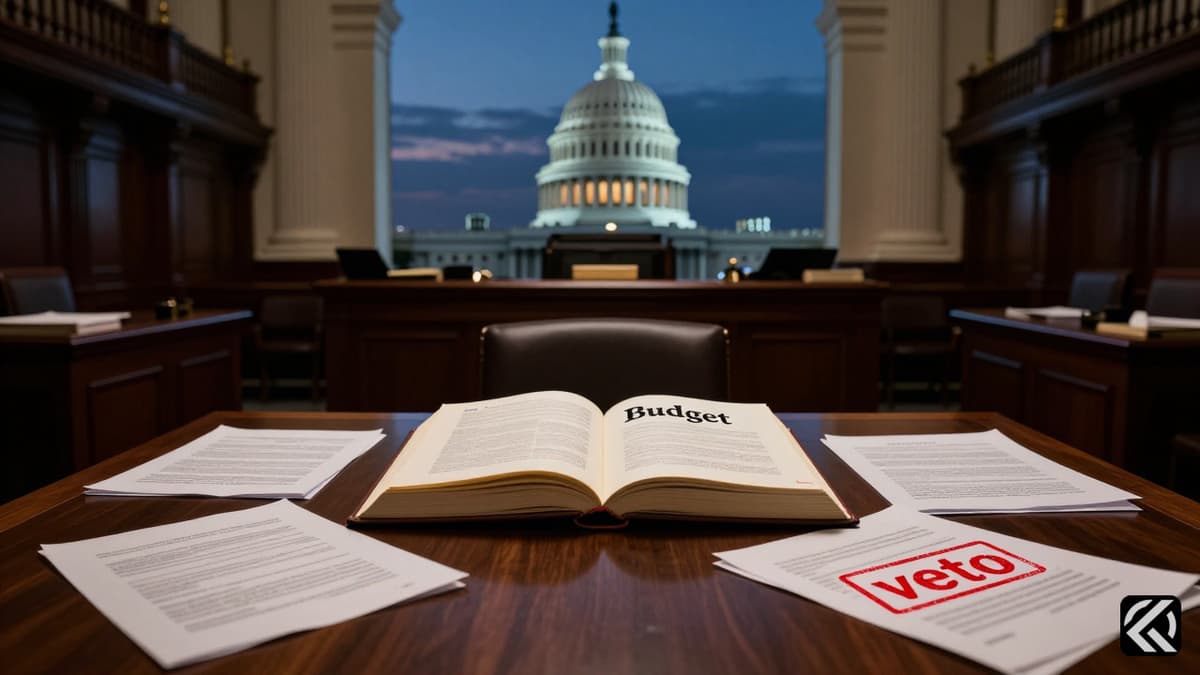
Tensions ignite as Senate Republicans confront President Trump over a controversial $1.8 billion fund, marking a critical breaking point in GOP unity ahead of the midterms.
President Donald Trump’s relationship with Senate Republicans has reached a critical breaking point following a unified revolt against his newly created $1.8 billion anti-weaponization fund. This conflict has exposed deep fractures within the party regarding its strategic direction and priorities as the 2026 election cycle intensifies.
The turmoil erupted on Friday after five sources familiar with private conversations revealed that GOP senators and their aides are increasingly concerned that the White House’s actions will cost them control of the Senate. Trump and his allies were furious over the rebuke, viewing the dissent as a direct challenge to their authority. However, for many lawmakers, the fund represents the latest in a series of damaging blunders that they fear will negatively impact their political standing.
“This is a true unified front. All 53 Republican senators are not happy right now,” said one senior GOP Senate aide, highlighting the unprecedented nature of the discontent. The standoff has capped a disastrous period that derailed the party’s bid to pass a major immigration package by the June 1 deadline Trump had demanded, leaving the legislative agenda in disarray.
Lawmakers have long harbored fears that Trump’s focus on personal projects and retribution campaigns weakens their electoral prospects rather than bolstering them. GOP strategist Barrett Marson described the situation as a “Nero fiddled while Rome burned” moment, noting that the current focus is not helping Americans and that time is running out to shift the narrative.
The tension has been exacerbated by Trump’s recent interference in Republican primaries. He celebrated the ouster of Sen. Bill Cassidy, whom he had targeted for revenge regarding his role in Trump’s impeachment trial. Furthermore, Trump endorsed Ken Paxton over the well-liked Sen. John Cornyn in a Texas primary runoff, despite warnings that Paxton could cost the party the race.
Simultaneously, the White House pressured senators to authorize $1 billion for a new White House ballroom and Secret Service protection. When the Senate parliamentarian ruled this funding ineligible for the broader legislative package, Trump publicly demanded her firing-a move many senators viewed as inappropriate. This escalation has led to a tense closed-door meeting with acting Attorney General Todd Blanche regarding the controversial fund.
The creation of the $1.8 billion fund has acted as a catalyst for public criticism among Republicans. Senators have sought to clarify that there is little support for the arrangement, warning that Trump’s persistence could jeopardize the party’s broader agenda. “The rebellious nature has really ticked up this week,” noted one person familiar with Senate dynamics, adding that unless there is a significant change in the White House, the calculus will not shift.
Trump officials have dismissed the backlash, insisting there will be no changes to the fund. On Friday, Trump defended the arrangement as a personal sacrifice to help those he claims were unfairly targeted. White House spokeswoman Olivia Wales rejected suggestions that the fund strained relations, stating Trump is the “unequivocal leader” committed to maintaining the Republican majority. The White House also released statements from seven Republican senators asserting unity, though none mentioned the fund or the ballroom.
Despite these assertions of unity, the mood on Capitol Hill has darkened significantly. The insinuation by Vice President JD Vance that Sen. Cornyn was influenced by corporate interests offended many Republicans, with aides calling such remarks “disgraceful.” This sentiment reflects a broader disconnect between the White House and the Senate GOP, who are increasingly vocal about their frustration.
Former Sen. Bill Cassidy, now a private citizen, explicitly voiced opposition to the ballroom funding and the anti-weaponization fund on X. He criticized the lack of accountability in the fund, stating that Americans are concerned about mortgages and groceries, not a $1.8 billion fund for the president’s allies. Cassidy’s comments resonated with many GOP senators who feel unable to speak out individually.
The Trump Senate revolt is further complicated by the president’s historic low polling numbers and refusal to pivot toward cost-of-living issues that are hampering GOP candidates. By focusing on pet projects and expanding the number of “free agents” among retiring senators, Trump is inadvertently strengthening the resolve of those who oppose his priorities.
White House officials have largely declined to publicly attack individual senators over their criticisms, though internal allies insist Trump remains unbowed. One source close to the White House questioned the Senate’s opposition, asking, “The Senate opposition to this is not going to last.” This attitude suggests that Trump and his aides believe their influence over primary elections grants them ultimate control, regardless of Senate pushback.
However, analysts warn that the dynamics could worsen in the coming months. The refusal to address immediate economic concerns while pursuing ambitious, controversial projects risks hastening Trump’s lame-duck status. The party’s ability to maintain its majority in November is increasingly tied to its capacity to manage this internal conflict.
Senate Majority Leader John Thune is expected to work with Trump and his aides to chart a path through the conflict, though no clear resolution is in sight. The situation highlights a precarious moment for the Republican party, where legislative priorities and electoral survival are clashing with the president’s personal agenda.
The current clash over the anti-weaponization fund and the ballroom funding illustrates a fundamental struggle for control over the Republican Party’s narrative. As midterm elections approach, the disconnect between White House priorities and Senate electoral realities continues to widen. If the administration does not pivot to address the economic anxieties of voters, the risk of losing congressional control in November will only increase. The unified anger among 53 senators suggests that the party’s cohesion is fragile, and further escalation could lead to significant legislative gridlock and electoral setbacks for Republicans nationwide.
Jun 11, 2026 17:21 UTC
Bangladesh Opposition Mobilizes Against India-Bangladesh Border Push-Ins and BSF Killings
Join 50,000+ readers getting the global briefing every morning.
No spam. Unsubscribe anytime.
Jun 11, 2026 17:40 UTC
Boelter Pleads Guilty in Minnesota Political Assassinations
Jun 11, 2026 17:21 UTC
Bangladesh Opposition Mobilizes Against India-Bangladesh Border Push-Ins and BSF Killings
Jun 11, 2026 17:21 UTC
John Healey Quits as UK Defence Secretary Over Funding Dispute
Jun 11, 2026 16:19 UTC
UK Defence Secretary John Healey Quits Over Funding Dispute