
Section
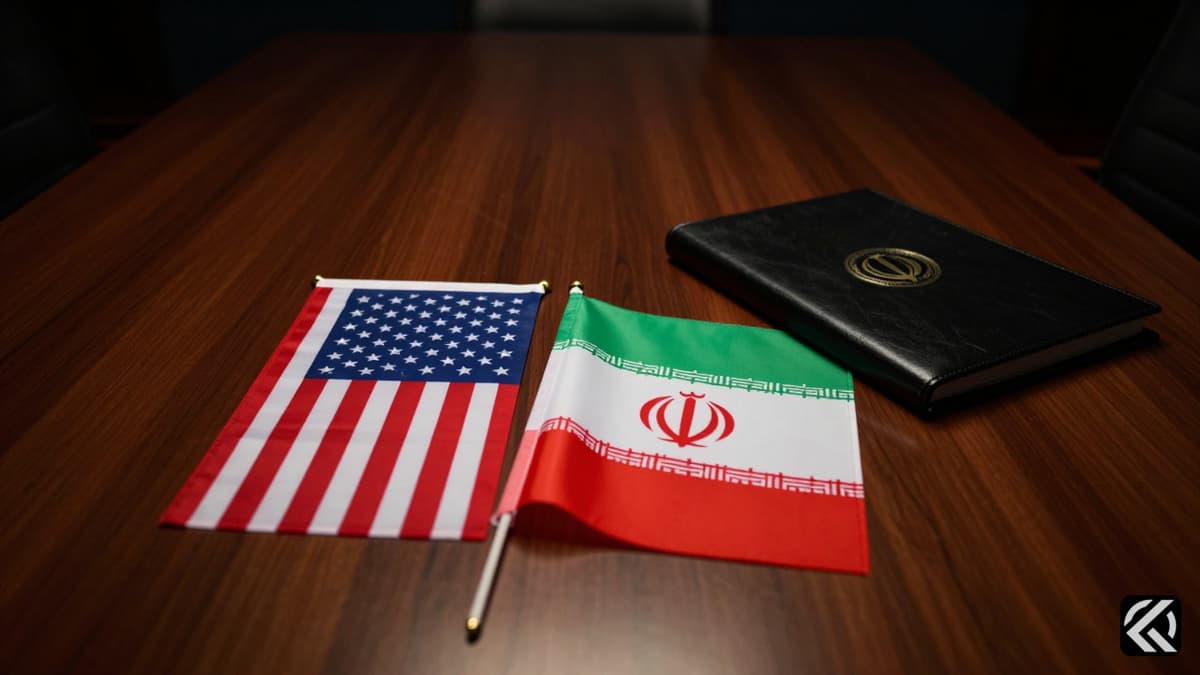
President Trump convenes a high-stakes Situation Room meeting to finalize a ceasefire framework with Iran, demanding total nuclear disarmament and open shipping lanes in the Strait of Hormuz.
President Donald Trump has announced that he is holding a critical meeting in the Situation Room to make a "final determination" regarding a potential agreement to extend a ceasefire with Iran. This high-level gathering marks a pivotal moment in diplomatic efforts aimed at halting hostilities that have escalated since late February.
In a series of posts on his social media platform, Truth Social, Trump outlined stringent conditions for any lasting resolution. He insisted that Iran must agree to never possess a nuclear weapon or bomb. Furthermore, he demanded that the Strait of Hormuz be reopened for "unrestricted shipping traffic, in both directions," and that any mines currently in the waterway be "destroyed." These demands highlight the severe geopolitical and economic stakes involved in the ongoing conflict.
The United States and Israel launched strikes against Iran on February 28. In response, Iran attacked Israel and US-allied states in the Gulf, effectively closing the Strait of Hormuz. This closure has sent global oil prices soaring, underscoring the strategic importance of the waterway. A ceasefire between the US and Iran came into effect on April 8, but substantive results have remained elusive despite repeated suggestions from Trump that negotiations are progressing.
US officials stated on Thursday that the two countries had agreed on a framework for a deal, described as a memorandum of understanding. This framework is pending the approval of Trump and Iran's leadership. The deal would reportedly extend the ceasefire for 60 days and launch talks on the future of Iran's nuclear programme. However, the path to this agreement has been fraught with conflicting narratives and high-pressure ultimatums.
Trump announced he was prepared to lift the US blockade of the Strait of Hormuz once conditions were met. He noted that ships caught in the waterway "may start the process of 'heading home!'" This promise serves as a significant incentive for Iran, given the severe economic impact of the current blockade on international trade routes.
In addition to the ceasefire and shipping conditions, Trump insisted that Iran allows the US to remove and destroy its enriched uranium. He emphasized that "No money will be exchanged, until further notice," and claimed that "Other items, of far less importance, have been agreed to." The US has long demanded that Iran stop producing highly enriched uranium and dispose of its existing stockpile, which in theory could be used to create nuclear weapons.
Iran’s response to these developments has been dismissive of the nuclear aspects of the deal. Esmaeil Baqaei, spokesman for Iran's foreign ministry, told state TV that the country is "focused on ending the war, and there are no negotiations on the nuclear issue." This statement directly contradicts the US narrative that a nuclear framework is part of the current negotiations.
Further complicating matters, Iran's Fars news agency cited informed sources as saying that Trump's latest comments were a "mixture of truth and lies." The agency reported that there was no provision to destroy nuclear materials in the sides' memorandum of understanding. This discrepancy between the two sides' understanding of the memorandum highlights the fragile state of the negotiations.
US Vice-President JD Vance addressed the status of the talks on Thursday, noting that negotiators were "going back and forth on a couple of language points." Vance specifically mentioned that these points include the "question of enrichment." Despite the difficulties, Vance remained optimistic, stating, "We're not there yet, but we're very close and we're going to keep on working at it."
The tension surrounding the Strait of Hormuz remains a critical flashpoint. As the world’s most important oil transit chokepoint, any disruption in this region has immediate global economic consequences. The US demand for unrestricted access is not just a diplomatic preference but an economic necessity for maintaining global oil supply stability. The potential reopening of the strait would likely lead to a significant drop in global oil prices, alleviating some of the economic pressure caused by the current conflict.
However, the core issue of Iran's nuclear program remains unresolved. While Iran claims it is not negotiating this aspect, the US insistence on removing enriched uranium suggests that Washington views nuclear disarmament as a non-negotiable prerequisite for peace. This fundamental disagreement could derail the deal at the final hour, despite the high-level engagement from both President Trump and Vice-President Vance.
The current diplomatic push represents a critical juncture for US-Iran relations. President Trump’s demand for a final determination in the Situation Room signals that the administration is willing to make a definitive move, either toward peace or further escalation. The conditions set by Washington, particularly regarding nuclear disarmament and the reopening of the Strait of Hormuz, are severe and non-negotiable from the US perspective. If Iran accepts these terms, it could lead to a stable 60-day ceasefire and a restart of nuclear talks. However, given Tehran’s firm stance that it is not negotiating its nuclear program, and the reported contradictions in the memorandum of understanding, the likelihood of a full agreement remains uncertain. If the deal fails, the conflict could intensify, leading to further military strikes and prolonged economic instability in the Gulf region. The coming days will determine whether diplomatic efforts can overcome deep-seated mistrust or if the region faces another phase of intense hostility.
Jun 11, 2026 17:21 UTC
Bangladesh Opposition Mobilizes Against India-Bangladesh Border Push-Ins and BSF Killings
Join 50,000+ readers getting the global briefing every morning.
No spam. Unsubscribe anytime.
Jun 11, 2026 17:40 UTC
Boelter Pleads Guilty in Minnesota Political Assassinations
Jun 11, 2026 17:21 UTC
Bangladesh Opposition Mobilizes Against India-Bangladesh Border Push-Ins and BSF Killings
Jun 11, 2026 17:21 UTC
John Healey Quits as UK Defence Secretary Over Funding Dispute
Jun 11, 2026 16:19 UTC
UK Defence Secretary John Healey Quits Over Funding Dispute


