
Section
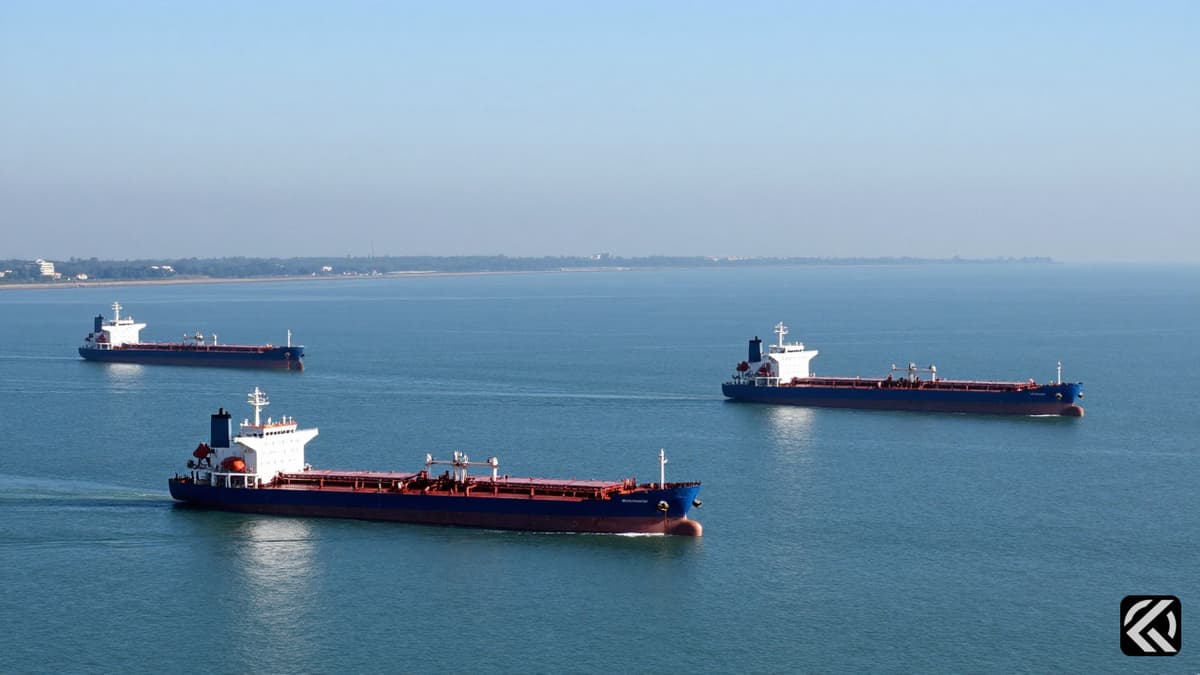
President Trump states the US remains unsatisfied with the ongoing Iran deal negotiations, warning that Washington is ready to resume military action if Tehran fails to reach a viable agreement.
US President Donald Trump has firmly stated that Washington is "not satisfied" with the terms currently being negotiated in the Iran deal. Speaking to reporters during a cabinet meeting on Wednesday, the president emphasized that while Tehran remains intent on reaching an agreement to end the ongoing conflict, the current progress has fallen short of American expectations. He reiterated that the US remains willing to resume strikes if a viable resolution is not achieved, signaling that the window for diplomatic success may be closing.
Trump’s comments followed reports from Iranian state television, which claimed to have details of a draft agreement. The purported framework suggested reopening the Strait of Hormuz and the withdrawal of US forces from the region. However, the White House immediately branded this text a "complete fabrication," rejecting the narrative entirely. Both sides had previously signaled progress late last week, leading to speculation that an announcement was imminent. Yet, Tehran soon cautioned that a deal was "not imminent," while Trump instructed his negotiators not to rush into an agreement.
During his address, President Trump offered a candid assessment of the current diplomatic climate. He remarked, "They just want to make a deal - I don't think they have a choice. They're negotiating on fumes." This characterization suggests that the US views Iran’s position as weakened and desperate. Trump added, "Iran is very much intent, they want very much to make a deal. So far, they haven't gotten there and we're not satisfied with it. But now we will be we will be either that or will have to just finish the job."
Secretary of State Marco Rubio also weighed in on the situation, noting that there had been "some progress and some interest" in the talks. However, he tempered optimism by stating, "We'll see over the next few hours and days whether progress could be made." Neither Trump nor Rubio provided specific details regarding the sticking points in the negotiations. This lack of detail has fueled uncertainty, particularly given the conflicting reports regarding the substance of any potential agreement.
The controversy intensified when Trump addressed the purported draft agreement reported by Iranian media earlier in the day. The report claimed the US would lift its naval blockade of Iran's ports and that Iran would restore commercial traffic through the Strait of Hormuz to pre-war levels within a month. Crucially, the report did not mention Iran giving up its nuclear ambitions or handing over its stockpile of highly enriched uranium, details that are typically central to such high-stakes negotiations. BBC News has not seen the purported framework to verify its authenticity.
When asked if he would accept such terms, Trump was unequivocal. He told reporters that "nobody" would exercise control over the Strait of Hormuz and that it would open "immediately." This stance aligns with the US and its allies' strategic interests in keeping global oil flows uninterrupted. The Strait of Hormuz is a critical chokepoint for global energy supplies, and any disruption sends shockwaves through international markets. Earlier, Iran had effectively closed this channel, sending global oil prices soaring before the conflict escalated further.
Trump also denied reports that he was considering easing American sanctions on Tehran. Additionally, he refuted claims that he was willing to allow Russia and China to remove Iran's highly enriched uranium. Such actions would likely draw significant political criticism within the US, suggesting that Trump is aware of the domestic political risks involved in any concessions. By denying these reports, the administration maintains a hardline stance, ensuring that any future agreement does not appear as a surrender to external pressures from rivals like Russia and China.
The current diplomatic stalemate comes amidst a backdrop of renewed military activity. The US and Israel launched wide-ranging strikes against Iran on February 28, sparking conflict across the Middle East. Iran responded by attacking Israel and US-allied states in the Gulf, which led to the closure of the Strait of Hormuz. A ceasefire was agreed upon on April 8, which was largely observed by both sides. However, talks to resolve the conflict had stalled in recent weeks, raising fears that the fragile peace was unraveling.
By Tuesday, the US had launched what it called "self-defence strikes" against southern Iran. Tehran denounced these actions as a "gross violation" of the ceasefire agreed upon in early April. This escalation underscores the fragility of the current situation and the high stakes involved in the ongoing negotiations. The US administration appears to be using military pressure as a lever to force a more favorable outcome in the Iran deal talks.
The conflict between the US and Iran has escalated rapidly since February, with each side accusing the other of violating ceasefires and international norms. The reopening of the Strait of Hormuz is critical not just for diplomatic success but for global economic stability. If the current negotiations fail to produce a satisfactory agreement, as suggested by Trump’s remarks, the likelihood of further military escalation increases significantly. The US has already demonstrated a willingness to use military force to achieve its objectives, as seen in the recent strikes against southern Iran.
The involvement of regional actors like Israel and allied states in the Gulf highlights the broader geopolitical implications of this conflict. Any disruption to oil supplies through the Strait of Hormuz affects not only the US and Iran but also global markets and economies dependent on Middle Eastern energy. The denial of sanctions relief by Trump suggests that the US is prioritizing long-term security objectives over short-term diplomatic ease. This hardline approach may deter Iran from making concessions, potentially prolonging the conflict.
Looking ahead, the next few days will be critical. Secretary of State Rubio’s statement indicates that the window for progress is narrow. If no significant developments occur, the US may return to a posture of military pressure. The outcome of these negotiations will likely determine the stability of the Middle East for years to come. A successful deal could bring relief to global markets and reduce tensions, but failure could lead to a more protracted and destructive conflict. The world watches closely to see if diplomacy can prevail or if the cycle of violence will continue.
Jun 11, 2026 17:21 UTC
Bangladesh Opposition Mobilizes Against India-Bangladesh Border Push-Ins and BSF Killings
Join 50,000+ readers getting the global briefing every morning.
No spam. Unsubscribe anytime.
Jun 11, 2026 17:40 UTC
Boelter Pleads Guilty in Minnesota Political Assassinations
Jun 11, 2026 17:21 UTC
Bangladesh Opposition Mobilizes Against India-Bangladesh Border Push-Ins and BSF Killings
Jun 11, 2026 17:21 UTC
John Healey Quits as UK Defence Secretary Over Funding Dispute
Jun 11, 2026 16:19 UTC
UK Defence Secretary John Healey Quits Over Funding Dispute


