
Section
President Trump cautions against rushing a peace agreement with Iran, while Secretary Rubio hints at imminent news following high-level diplomatic talks involving regional leaders.
The diplomatic landscape in West Asia shifted on Sunday, May 24, 2026, as senior U.S. officials signaled potential progress toward ending the ongoing conflict with Iran. Despite these signals, U.S. President Donald Trump publicly tempered expectations, instructing his negotiating team not to "rush" the process. This caution came even as both Tehran and Washington appeared to be converging on terms that could formally conclude the war. Meanwhile, U.S. Secretary of State Marco Rubio offered a more optimistic timeline to reporters in New Delhi, stating that "good news" regarding a final agreement might be announced within the next few hours of the same day.
The urgency of these negotiations is underscored by the participation of a broad coalition of regional stakeholders. On the preceding day, Saturday, May 23, 2026, President Trump held a critical conference call with leaders from several key nations. Attendees included leaders from Saudi Arabia, the United Arab Emirates, Qatar, Egypt, Jordan, and Bahrain. Additionally, representatives from Turkiye and Pakistan joined the discussion, highlighting the international scope and significance of the proposed settlement. The inclusion of these regional powers suggests a coordinated effort to stabilize West Asia through a multilateral approach, rather than a bilateral agreement limited solely to Washington and Tehran.
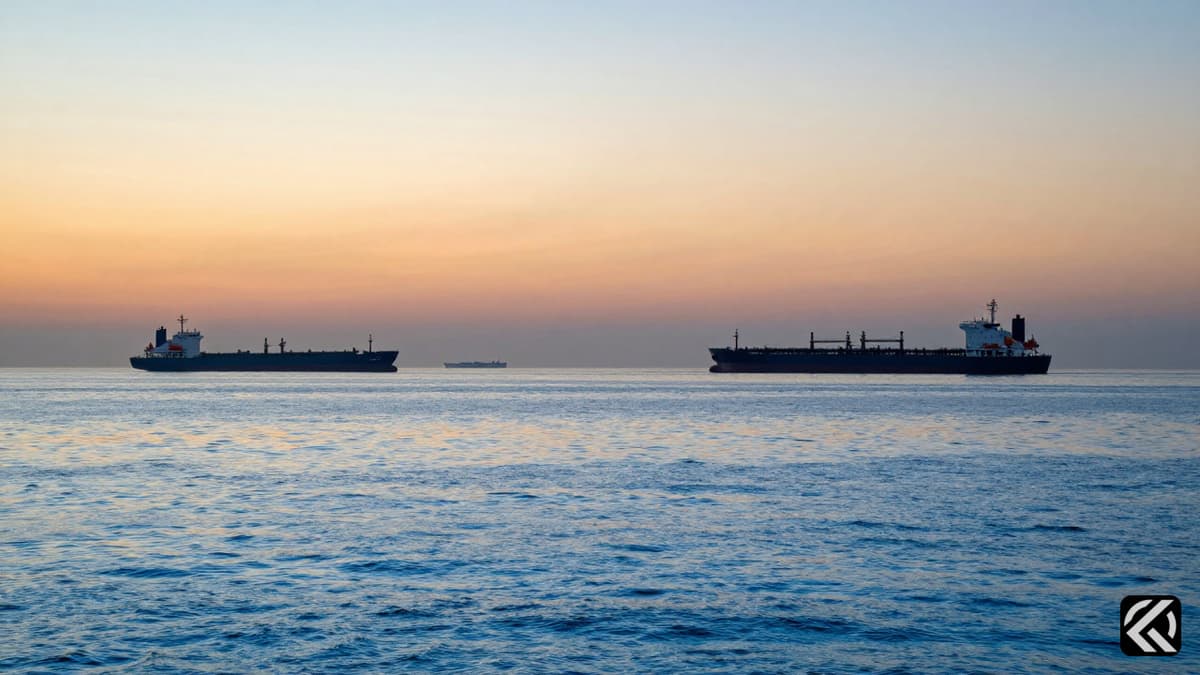
Central to the current diplomatic framework is the issue of the Strait of Hormuz. President Trump confirmed that a specific proposal involving the opening of this blockaded waterway has been "largely negotiated." The Strait of Hormuz is a critical chokepoint for global oil trade, and its blockade had previously contributed significantly to regional tensions and economic instability. By focusing on reopening this route, the negotiations address not only military hostilities but also the economic lifelines of the region. This development marks a substantial pivot from the previous state of conflict, where trade routes were restricted, leading to heightened geopolitical friction.
Secretary of State Marco Rubio’s comments from New Delhi add a layer of immediacy to these developments. Speaking to reporters, he stated, “I do think perhaps there is the possibility that in the next few hours the world will get some good news.” This statement implies that the technical details of the agreement are near completion, leaving only formal confirmation. The timing of his remarks, coupled with President Trump’s advice to avoid rushing, suggests a delicate balancing act by the U.S. administration. They are aiming for a definitive end to the war while ensuring that the terms are solid and sustainable, rather than hastily arranged under pressure.
The reaction to these developments has already begun to ripple through other political arenas. Criticism has mounted regarding the pace and nature of the negotiations, with some political figures questioning the strategies employed. This context is highlighted by related reports indicating that the U.S. will not "rush into a deal" with Iran. The administration appears to be navigating complex domestic and international pressures, attempting to balance the desire for peace with the need for rigorous diplomatic verification. The involvement of multiple regional leaders in the Saturday call suggests that the U.S. is seeking broader legitimacy for the agreement, ensuring that neighboring countries are aligned with the terms of the ceasefire.
The participation of Pakistan and Turkiye in the talks is particularly noteworthy, as both nations have historically played influential roles in Middle Eastern diplomacy. Their involvement indicates that the proposed settlement requires the buy-in of external powers with significant leverage over Iran. This multilateral strategy aims to create a durable peace framework that goes beyond immediate military cessation. It seeks to establish a new status quo for trade and security in West Asia, centered around the normalization of the Strait of Hormuz.
Furthermore, the focus on non-nuclear issues, as indicated by Tehran’s stance that they are negotiating the end of the war rather than nuclear proliferation, changes the traditional dynamics of such agreements. This shift suggests that the current priority is strictly military and economic, rather than ideological or technological. By decoupling the peace treaty from nuclear concerns, the parties involved may be able to reach a consensus more quickly, focusing on immediate de-escalation and trade restoration.
As the clock ticks toward the potential announcement hinted at by Secretary Rubio, the international community watches closely. The next few hours could define the future of U.S.-Iran relations and the stability of West Asia. The combination of high-level diplomatic engagement, the negotiation of critical trade routes, and the involvement of regional powers creates a complex but potentially historic moment. Whether this leads to a formal end of the war or simply a pause in hostilities remains to be seen, but the signs point toward a significant diplomatic breakthrough.
The convergence of U.S. caution and optimistic diplomatic signals suggests a pivotal moment in the conflict with Iran. With the Strait of Hormuz proposal largely negotiated and regional leaders engaged, the foundation for a formal end to the war appears to be in place. If Secretary Rubio’s prediction of imminent news holds true, the immediate future will see a rapid de-escalation of military tensions and a restoration of trade flows. This shift could lead to long-term economic stabilization in West Asia and a redefined role for regional powers like Saudi Arabia and Qatar in maintaining peace. However, the administration’s insistence against rushing indicates that the final agreement may face rigorous scrutiny, potentially delaying full implementation but ensuring greater durability. The next steps will depend on the precise terms of the Strait of Hormuz access and the level of commitment from all involved regional stakeholders.
Jun 11, 2026 12:59 UTC
US Strike on Settebello Kills Indian Sailors Amid Strait of Hormuz Tensions
Jun 11, 2026 12:49 UTC
Air India Flight 171 Crash Sparks Debate Over Boeing 787 Dreamliner Faults
Jun 11, 2026 08:51 UTC
US-Iran Conflict: Indian Seafarers Killed in Gulf Strike
Jun 11, 2026 18:04 UTC
Healey Quits Government Over Defence Spending Dispute


