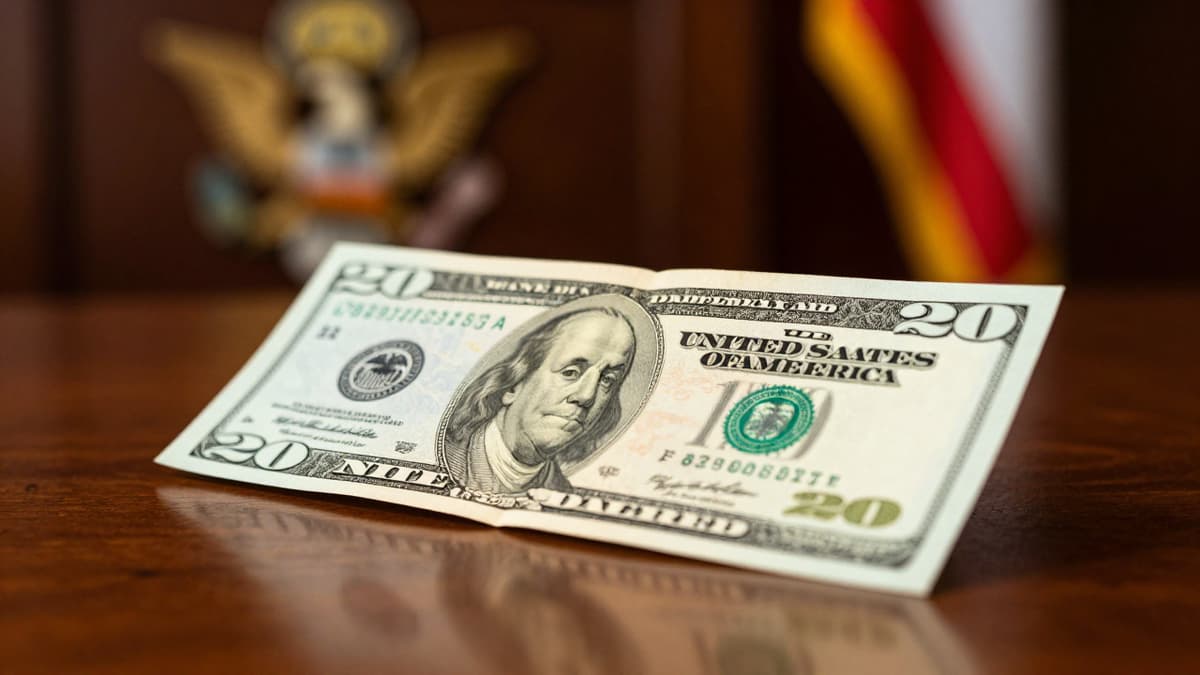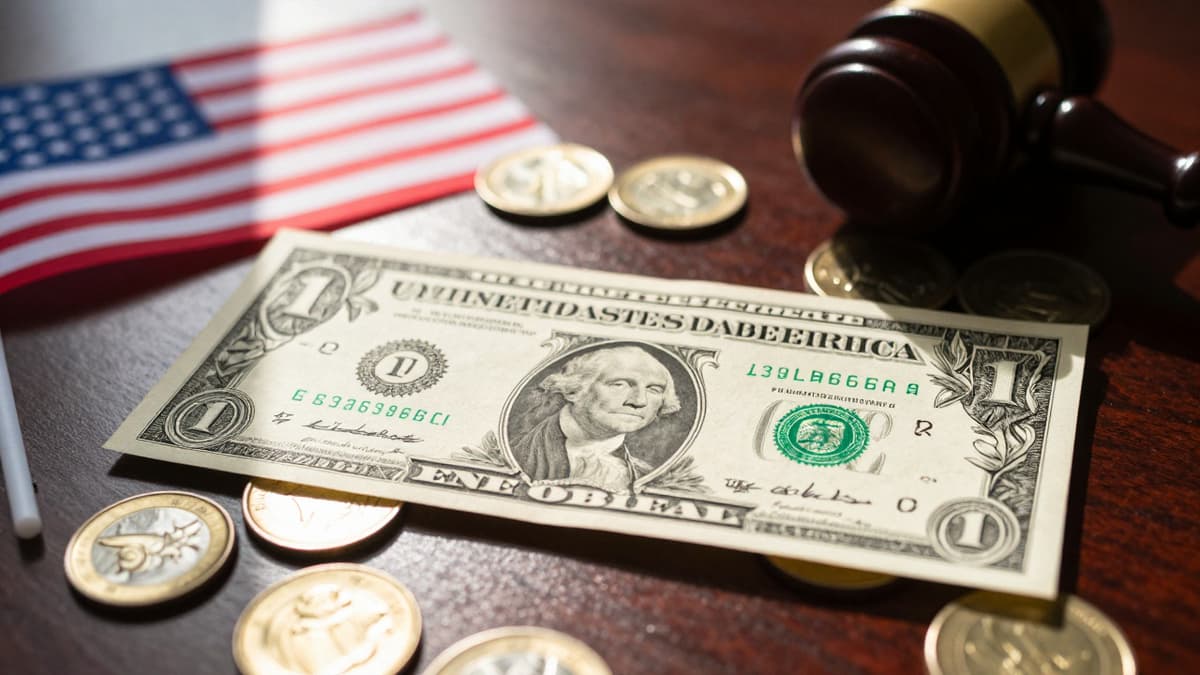
President Trump has signed the nation's dollar bills, breaking a 165-year tradition and sparking intense debate over the politicization of U.S. currency.
President Trump has officially signed the nation's dollar bills, shattering a 165-year tradition that began in the mid-19th century. This unprecedented action marks the first time a sitting president has personally autographed circulating U.S. paper money. The decision is part of a broader initiative to place the president's name and image on American currency and federal institutions. This move was executed earlier this month, fundamentally altering the historical record of U.S. paper money.
The initiative extends beyond simple signatures. Earlier this month, the U.S. Commission of Fine Arts, whose members were appointed by Trump after he fired the previous commission, approved the design for a 24-karat commemorative gold coin bearing his image. Additionally, the commission is reviewing a proposed $1 coin featuring Trump, though federal law currently prohibits depicting a living president on circulating currency. These items are part of a set of 250th anniversary releases that have already faced scrutiny regarding the historical events they highlight. Beyond physical currency, Trump's name now appears on the Kennedy Center, the U.S. Institute of Peace, a new class of warships, and a Florida roadway. The administration has also attached the Trump name to TrumpRx, a prescription drug discount website, and the Trump Gold Card residency program.
The reaction to this historic shift has been sharply divided across the political spectrum. Jovita Carranza, who served as U.S. Treasurer during Trump's first term, defended the change. Speaking to Reuters, she described the alteration as "a powerful symbol of American resilience, the enduring strength of free enterprise and the promise of continued greatness." Conversely, the political response from the opposition has been severe. Representative Shontel Brown (D-Ohio) wrote on social media platform X that the plan is "gross and un-American," adding that the change will at least remind the public "who to thank when we pay more for gas, goods, and groceries." California Governor Gavin Newsom echoed these sentiments on social media, stating that Americans "will know exactly who to blame" for the ongoing rise in costs.
Expert opinions on the legality and necessity of the move offer a more nuanced perspective. Michael Bordo, director of the Center for Monetary and Financial History at Rutgers University, told the Associated Press that the move likely does not cross any legal lines. He noted that the Treasury Secretary possesses broad authority over currency design. Bordo added that these signed bills could potentially become valuable collectors' items. However, Douglas Holtz-Eakin, a Republican economist who served in the George W. Bush administration and previously led the Congressional Budget Office, questioned whether the move served the national interest. Noting that Trump already has a full agenda and that fewer people are using cash, Holtz-Eakin told the New York Times that it "may be the ultimate act of futility."
This debate occurs against a backdrop of economic volatility and shifting payment habits. The cash irony is significant: cash accounts for just 14% of all U.S. payments, according to the Federal Reserve. The average American makes about seven cash transactions per month out of roughly 48 total, and even among those, two-thirds of the payments come from people who would rather use cards. Trump himself previously ordered the Treasury to stop minting new pennies in February 2025, with the U.S. Mint striking the last circulating penny that November. Despite this, some individuals attempted to cash in on the hype surrounding the end of the penny era.
Criticism from Democrats has intensified, leading to legislative action. Democrats in Congress have introduced legislation that would ban any living or sitting president from appearing on U.S. currency. This pushback comes as grocery and gas prices soar, fueled in part by the war in Iran which began on February 28. The introduction of a living president on Trump currency has reignited arguments about the appropriate role of presidential imagery in the nation's financial infrastructure.
The practical implications of this signature are minimal for daily financial transactions. If one wonders whether this changes anything practical, the answer is no; all existing U.S. currency remains valid regardless of whose signatures appear on it. What fundamentally changes is the precedent. For 165 years, American paper money carried the names of Treasury officials rather than the president. Whether observers view the signed bills as a fitting tribute to the nation's 250th birthday or the politicization of currency, the bills will start rolling out this summer.
The long-term impact on public perception remains to be seen. The administration's aggressive branding, from the gold coin design to the various named facilities, suggests a strategy to permanently associate the president's legacy with national symbols. The controversy over a living president on money highlights a potential shift in how citizens view the intersection of leadership and commerce. As the bills roll out, the debate will likely focus on whether this act preserves American traditions or redefines them for a new generation of digital payments.
Jun 8, 2026 02:17 UTC
Magnitude 7.8 Quake Shakes Philippines, Urging Immediate Evacuations
Join 50,000+ readers getting the global briefing every morning.
No spam. Unsubscribe anytime.
Jun 8, 2026 02:17 UTC
Magnitude 7.8 Quake Shakes Philippines, Urging Immediate Evacuations
Jun 8, 2026 00:51 UTC
Trump Claims Iran Nuclear Deal Imminent Despite Diplomatic Fractures
Jun 8, 2026 00:47 UTC
Iran Fires Missiles at Israel After Beirut Strike
Jun 7, 2026 22:38 UTC
Congress Party Claims Unity for INDIA Bloc Delhi Meeting