Global leaders weigh in on escalating military actions against Iran while economic markets react to potential supply chain disruptions.
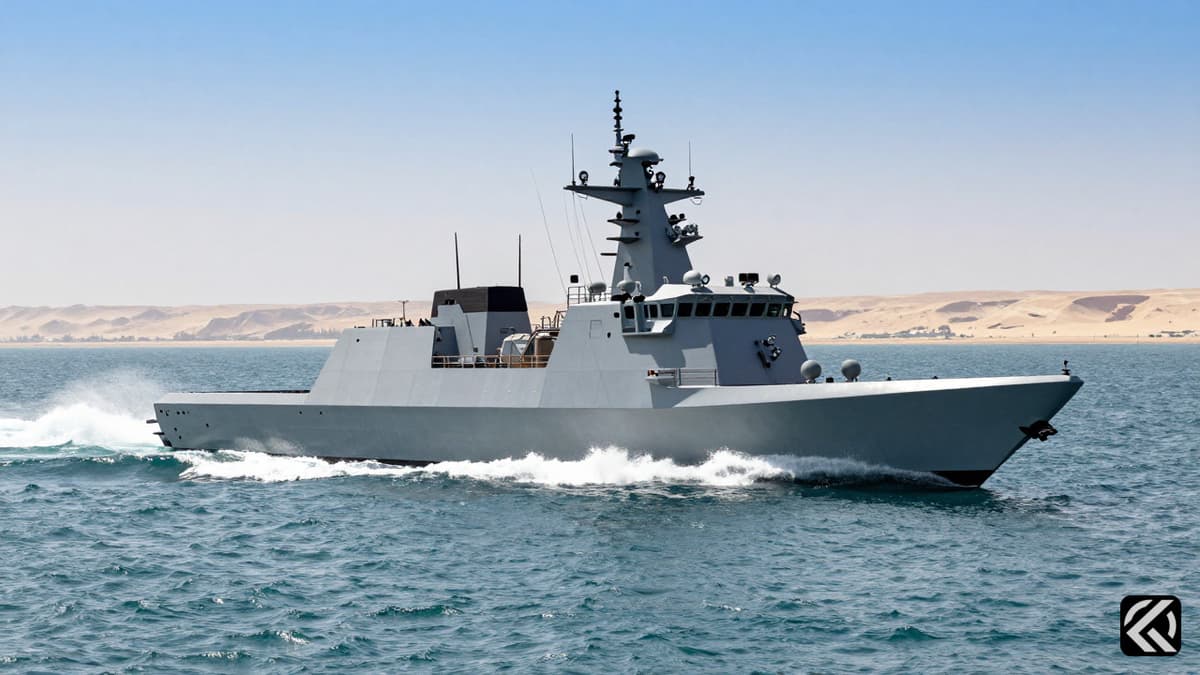
The geopolitical landscape shifted dramatically as Israeli Prime Minister Benjamin Netanyahu issued a direct appeal to the citizens of Iran, urging them to remove their leadership and seize freedom. Simultaneously, President Donald Trump declared that US forces have already destroyed ten inactive mine-laying vessels in the Persian Gulf. These developments mark what officials describe as the most intense day of strikes on Iran so far, creating a volatile environment for international stability and energy markets alike. The conflict has escalated significantly with military actions targeting naval capabilities and diplomatic positions across the region.
Netanyahu posted a thread on X addressing the Iranian people directly, stating that the Ayatollah regime must be replaced. He emphasized that conditions are being created for the population to grasp their destiny. This follows a similar message from March 8. In retaliation or parallel action, Iran's ambassador to the UN accused Israel of killing four diplomats in a strike on the Ramada Hotel in Beirut. The Israeli military claimed these individuals worked for the Quds Force during a secret meeting inside the fourth floor. The attack was described as a deliberate targeted killing by Iranian officials, constituting a grave terrorist act under international law.
Canadian Prime Minister Mark Carney suggested that G7 strategic petroleum reserves should be utilized to offset inflation caused by the war. Oil prices have surged due to concerns over the Strait of Hormuz, a key shipping route now effectively closed according to reports. While G7 finance ministers met to discuss this, they deferred the decision on releasing reserves to the International Energy Agency. The UAE reported a fire at the Ruwais Industrial Complex following a drone strike, though no injuries were confirmed. Defense ministry stats showed eight ballistic missiles intercepted alongside 26 drones. The country has now changed its national early warning system so that alerts sent overnight to mobile phones are much quieter. Trump warned consequences would be at a level never seen before if mines are found.
Inside the White House, Press Secretary Karoline Leavitt stated that Operation Epic Fury is ahead of schedule but will continue until Trump decides Iran poses no threat. However, Democrats are voicing strong opposition. Senate Minority Leader Chuck Schumer criticized the administration for risking troop safety and blowing a billion dollars daily. Hakeem Jeffries highlighted rising gas prices affecting working-class Americans while grocery costs remain unaddressed. Leavitt noted missile attacks down 90% and drone attacks down 85%. The operation aims to eliminate nuclear capabilities and wipe out proxies according to initial timelines.
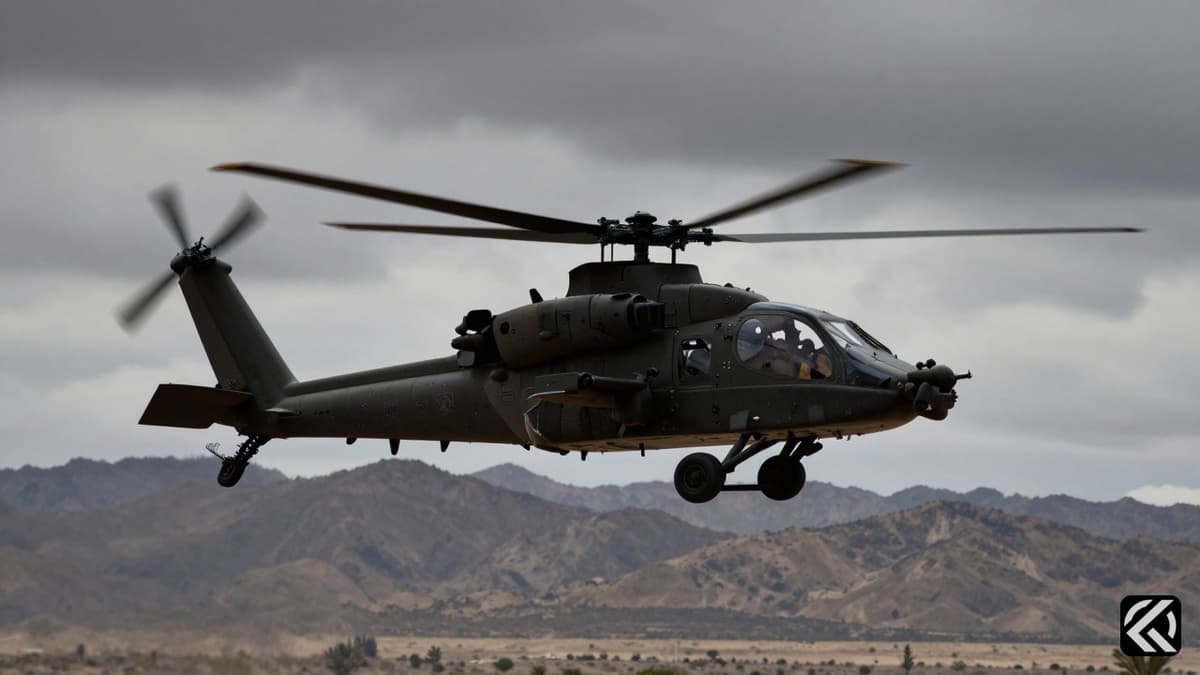
The conflict has escalated significantly with military actions targeting naval capabilities and diplomatic positions. While leaders on both sides claim progress, economic repercussions are already being felt globally, prompting calls for reserve releases and sparking intense political debate within the United States regarding the cost of war. Trump will determine when Iran no longer poses a direct threat to conclude the hostilities.
Jun 9, 2026 20:58 UTC
Trump Demands U.S. Action as Iran Shoots Down Second Aircraft
Join 50,000+ readers getting the global briefing every morning.
No spam. Unsubscribe anytime.
Jun 9, 2026 18:37 UTC
Israel Strikes Tyre Despite Iranian Warnings
Jun 9, 2026 16:42 UTC
IAB Framework Data Practices and User Privacy Choices
Jun 9, 2026 16:07 UTC
Madhya Pradesh Congress Departs for Bengaluru to Avoid Rajya Sabha Elections Pitfalls
Jun 9, 2026 14:27 UTC
US Sea Drone Saves Army Helicopter Crew Near Strait of Hormuz