President Trump directs strikes on naval assets while Iran accuses US of environmental warfare.
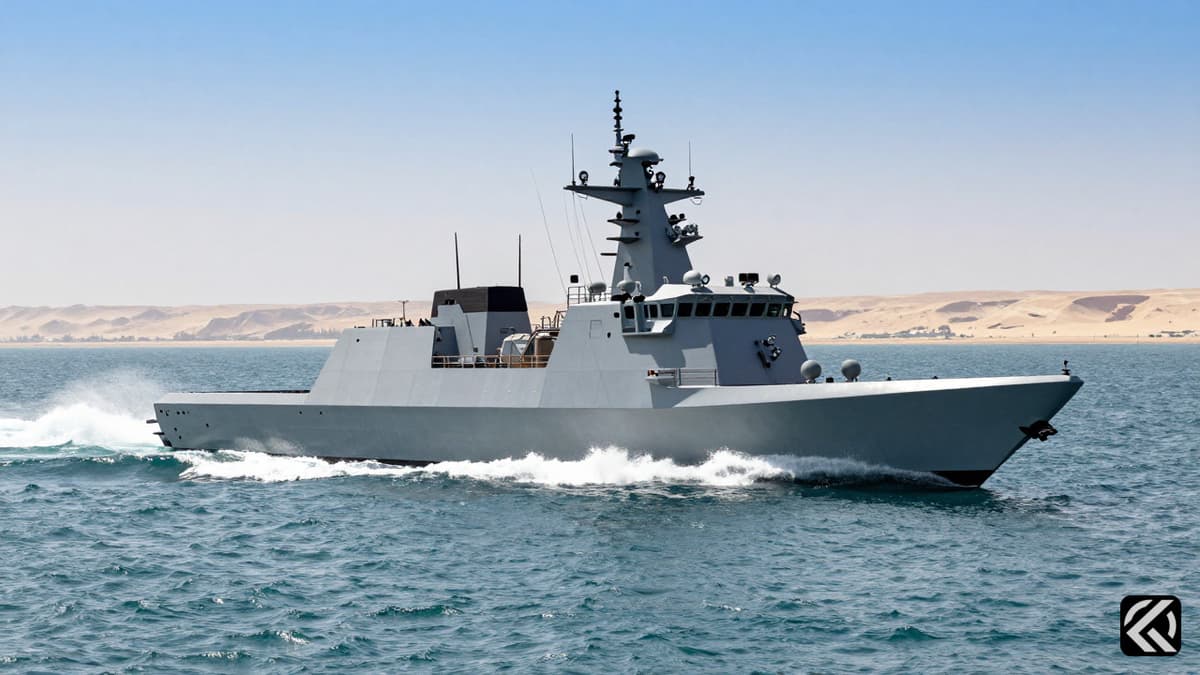
The United States military has confirmed the destruction of multiple Iranian naval vessels, including 16 minelayers, near the strategic Strait of Hormuz. Following reports that Tehran began laying mines in the critical energy chokepoint, US Central Command posted video footage on X confirming the strikes occurred on Tuesday. This escalation follows a directive from President Donald Trump, who demanded the immediate removal of any mines and threatened action if they remained in place.
The US Navy’s response highlights significant logistical challenges regarding mine countermeasures in the region. Since last September, there have been no dedicated minesweepers stationed in the Persian Gulf after the decommissioning of four specialized ships at the Bahrain facility. These vessels were subsequently scrapped in January. Consequently, duties were transferred to Littoral Combat Ships (LCS).
While the LCS fleet was designed for interchangeable mission packages, including mine countermeasures and surface warfare, the program faces intense scrutiny. With approximately 30 active vessels, the fleet has a documented history of reliability issues since its inception between 2008 and 2010. Critics have derisively nicknamed the vessels "Little Crappy Ships," citing them as major failures in shipbuilding history. Some early models were retired after only a few years of service.
Prior to the outbreak of hostilities, CNN tracking indicated three LCS units were already positioned in the Persian Gulf. However, analyst Carl Schuster, a former US Navy captain, dismissed their deployment in the Strait of Hormuz as more of a publicity stunt than a tactical necessity. He suggested the bureaucracy would utilize them to justify excessive costs and validate the design's utility despite operational doubts.
The conflict has triggered sharp reactions from political leaders and financial markets alike. Secretary of Defense Pete Hegseth stated that US forces were eliminating inactive mine-laying vessels with "ruthless precision" at Trump’s direction, vowing not to allow terrorists to hold the Strait hostage. Meanwhile, Senator Lindsey Graham, a close ally of the President, indicated the military objective of crushing the regime is weeks away. Graham emphasized that while occupation is not on the table, the successor leadership must reject nuclear ambitions.
Economic indicators reacted swiftly to the news cycle. US crude oil prices hovered just above $84 per barrel before Secretary of Energy Rick Wright posted a claim about naval escorts. Following his post, prices plummeted to $76.73 per barrel. After the message was deleted and clarified as incorrectly captioned by Department of Energy staff, prices rebounded to around $84.70 per barrel. Despite the recovery, oil prices remained down more than 10% for the day.
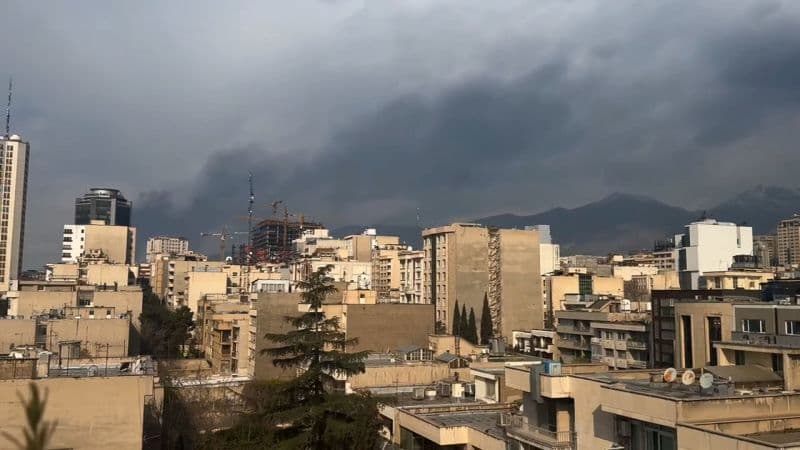
Iran’s ambassador to the United Nations, Amir Saeid Iravani, has accused the US and Israel of targeting civilians and violating international environmental obligations. Speaking at a UN stakeout, Iravani reported that over 9,669 civilian sites have been destroyed, including nearly 8,000 residential homes and critical infrastructure like schools and medical facilities.
He specifically highlighted strikes on fuel storage facilities in Tehran on March 5 and March 7, which released hazardous pollutants. According to Iravani, rainfall on March 8 spread these contaminants through highly acidic precipitation, creating respiratory risks for residents. Medical centers in Tehran are on high alert as the ambassador criticizes the UN Security Council for ignoring these environmental crimes.
The ongoing conflict in the Persian Gulf has intensified with US forces destroying Iranian naval assets under direct presidential orders. While military leaders claim precision, analysts question the effectiveness of current naval assets like the LCS. The geopolitical fallout includes significant economic volatility and serious allegations regarding environmental damage and civilian casualties, complicating international diplomatic efforts.
Jun 9, 2026 20:58 UTC
Trump Demands U.S. Action as Iran Shoots Down Second Aircraft
Join 50,000+ readers getting the global briefing every morning.
No spam. Unsubscribe anytime.
Jun 9, 2026 18:37 UTC
Israel Strikes Tyre Despite Iranian Warnings
Jun 9, 2026 16:42 UTC
IAB Framework Data Practices and User Privacy Choices
Jun 9, 2026 16:07 UTC
Madhya Pradesh Congress Departs for Bengaluru to Avoid Rajya Sabha Elections Pitfalls
Jun 9, 2026 14:27 UTC
US Sea Drone Saves Army Helicopter Crew Near Strait of Hormuz