
Section
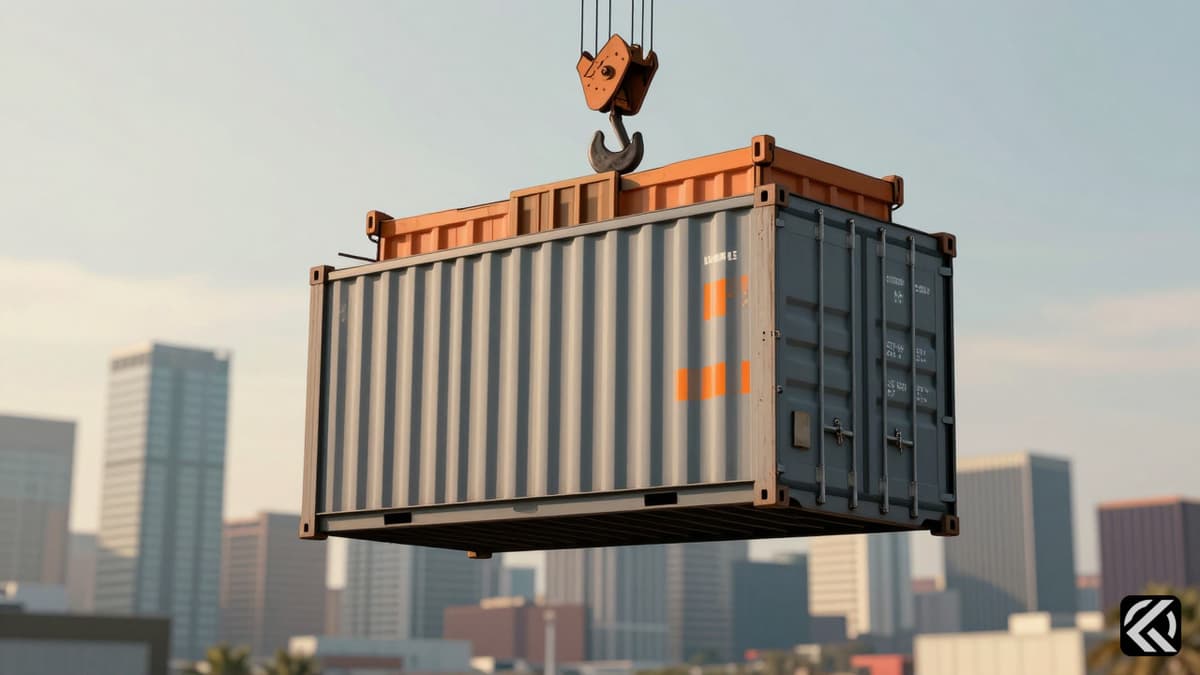
The US has unveiled fresh tariffs on nearly all trading partners, citing forced labour violations. This move follows a Supreme Court setback, reshaping global trade dynamics under the Trump administration.
The US government has announced new import taxes ranging from 10% to 12.5% on dozens of countries, targeting nearly all its imports. This decision stems from concerns that these nations are not doing enough to address forced labour in their supply chains. It marks the second time President Donald Trump's administration has imposed such duties since the Supreme Court invalidated previous levies in February.
The US Trade Department stated that the tariffs are a direct response to the failure of 60 trading partners to effectively prohibit and enforce bans on importing goods made with forced labour. An investigation launched in March concluded that 54 countries failed to impose legal prohibitions, while six others, including the EU and Canada, failed to effectively enforce such rules.
While the tariffs are announced, they have not yet been enforced. The administration must still complete a process to implement these duties. US Trade Representative Jamieson Greer argued that trading with countries allowing forced labour creates an unfair playing field for American workers.
The immediate reaction from the targeted nations has been one of dismissal and frustration. The UK government asserted that it is actively tackling forced labour in its domestic laws and global supply chains. A spokesperson noted that they continue to engage with the US administration but made clear the actions they are taking.
China vehemently denied the allegations, with Foreign Ministry spokesperson Mao Ning stating there is no forced labour in China. Beijing opposed the use of this issue as an excuse for political manipulation. The European Commission similarly rejected the validity of the tariffs, stating they are unjustified. EU officials emphasized their commitment to a trade deal agreed upon last year and their progress in implementing joint tariff commitments.
For India, the situation presents a strategic dilemma. Ajay Srivastava, an analyst from the Delhi-based think tank Global Trade Research Initiative, suggested that New Delhi should challenge the legal basis of these US tariffs. He argued that the move stretches the scope of Section 301, a US trade law allowing investigations into unfair practices.
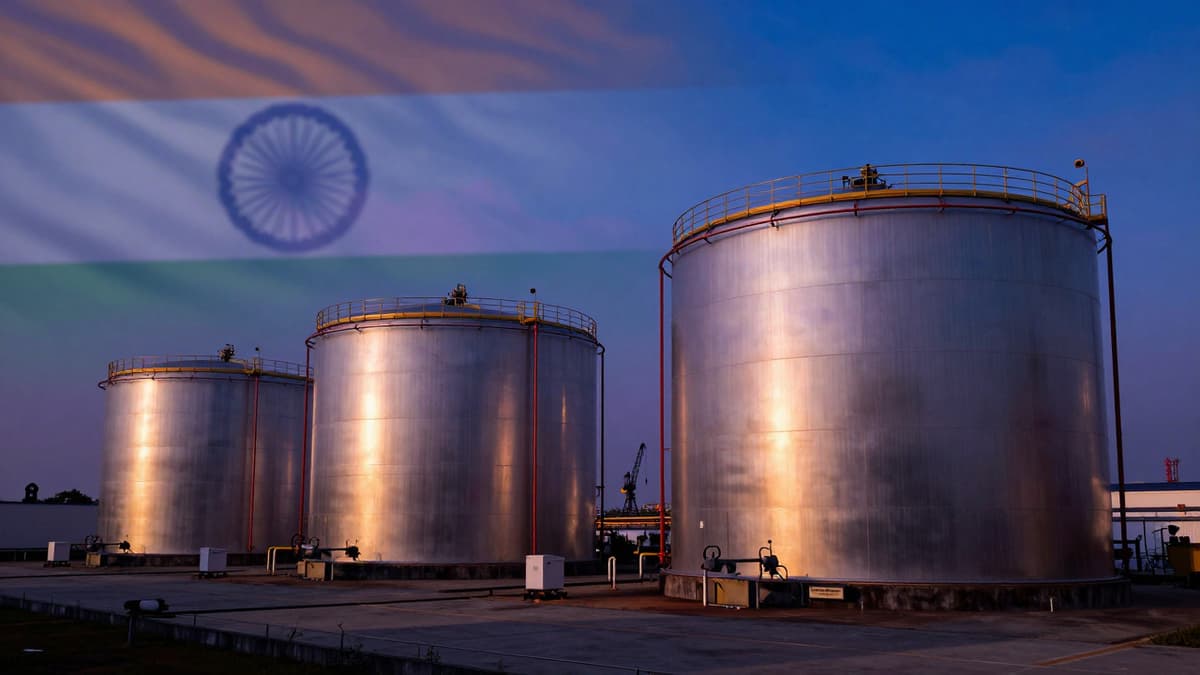
Srivastava characterized the announcement as part of broader pressure tactics. He advised India to reassess its participation in bilateral trade agreements and consider stepping away, similar to Malaysia’s recent actions. The UK’s Independent Anti-Slavery Commissioner had previously highlighted progress made since the Modern Slavery Act 2015, contradicting the implication that the UK is complicit.
The scope of this new trade action is massive. The 60 trading partners listed account for 99.4% of goods sold to the US. This includes major economies like Canada, Japan, Argentina, Bangladesh, and Mexico. The US government’s stance is that allowing the importation of goods produced with forced labour is fundamentally unfair to American citizens and workers.
This development occurs in the wake of a significant legal hurdle. In February, the US Supreme Court struck down the so-called 'Liberation Day' tariffs that Trump had imposed in April 2025. This ruling left the administration without a legal foundation for those specific duties, creating a gap in their trade enforcement strategy.
In response to this vacuum, the Trump administration initiated a new investigation in March. US Trade Representative Jamieson Greer led this probe into whether the 60 partners had failed to act on prohibiting forced labour. The resulting report was damning, finding that all 60 countries had failed in both imposing and enforcing prohibitions on forced labour goods.
Specifically, the report identified that 54 countries failed to impose legal prohibitions. The remaining six-Canada, the EU, Ecuador, Indonesia, Mexico, and Pakistan-were found to have failed to effectively enforce existing prohibitions. Consequently, the trade department proposed a uniform 10% tariff on imports from these specific nations, which includes Britain, Indonesia, and Taiwan.
The tariffs are not yet in force. The announcement serves as a prelude to a more complex implementation phase. The administration must navigate regulatory processes before the taxes can be collected at the border. However, the political signal is clear: the US is unwilling to accept goods linked to forced labour, regardless of diplomatic friction.
The imposition of these tariffs signals a continuation of aggressive trade policies despite judicial pushback. By targeting 99.4% of US imports, the administration is leveraging its massive consumer market as a weapon to enforce human rights standards abroad. This approach forces trading partners to either tighten their own laws or face immediate economic penalties.
However, the global response suggests deepening rifts. Major allies like the EU and UK view the tariffs as unjustified and politically motivated. This disconnect could complicate ongoing negotiations for broader trade deals. The EU’s insistence on its track record and the UK’s defense of its legal framework indicate that diplomatic persuasion may be less effective than economic coercion in this instance.
If the tariffs are enforced, they will likely trigger retaliatory measures or legal challenges from affected nations. India’s consideration of walking away from bilateral talks mirrors a growing trend of skepticism toward US trade practices. The success of this strategy will depend on whether the US can withstand the economic backlash and maintain unity among its allies in the face of shared grievances.
The Trump administration’s latest move underscores a shift towards using human rights violations as a primary justification for trade barriers. This legal and political maneuvering aims to reshape global supply chains by forcing countries to police their domestic labour practices under threat of lost market access.
As the implementation process begins, the focus will shift to compliance. Nations will likely accelerate their own legislative efforts to avoid the full brunt of the 10-12.5% duty. Yet, the diplomatic strain is palpable. With major economies rejecting the premise of the tariffs, the US faces a potential isolation in trade policy, relying solely on the leverage of its domestic market rather than multilateral consensus.
Jun 11, 2026 17:21 UTC
Bangladesh Opposition Mobilizes Against India-Bangladesh Border Push-Ins and BSF Killings
Join 50,000+ readers getting the global briefing every morning.
No spam. Unsubscribe anytime.
Jun 11, 2026 17:40 UTC
Boelter Pleads Guilty in Minnesota Political Assassinations
Jun 11, 2026 17:21 UTC
Bangladesh Opposition Mobilizes Against India-Bangladesh Border Push-Ins and BSF Killings
Jun 11, 2026 17:21 UTC
John Healey Quits as UK Defence Secretary Over Funding Dispute
Jun 11, 2026 16:19 UTC
UK Defence Secretary John Healey Quits Over Funding Dispute


